
Winter Sports at a Glance
Winter sports add variety to a winter holiday: whether on the slopes, cross-country trails, toboggan runs or ice, there is an activity to suit different fitness levels and experience. The key is not to pack as much as possible into one day, but to match the sport, terrain, equipment and weather to your group.
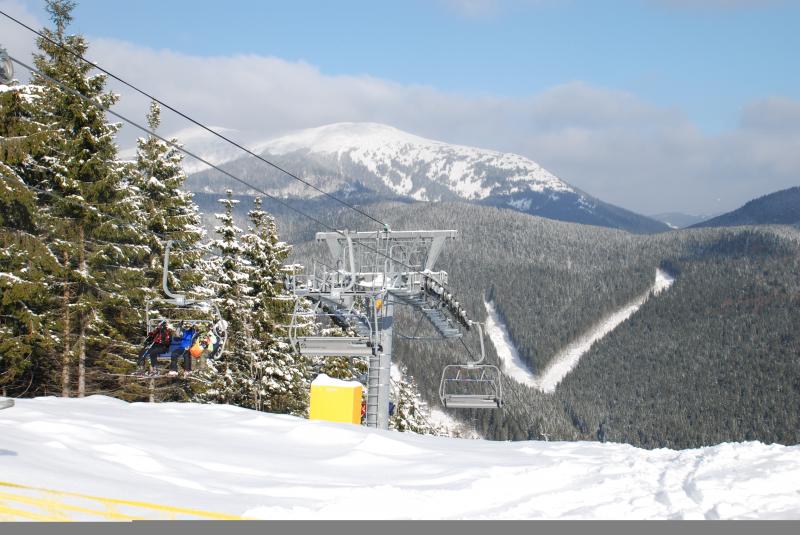 Verschneites Skigebiet mit Sessellift, Pisten und bewaldeten Bergen.
Photo: Olga Buko
Winter sports at a glance
- Alpine skiing and snowboarding: suited to groomed slopes; beginners are best off starting in an easy practice area.
- Cross-country skiing: classic trails and skating routes require less infrastructure than a ski resort, but still call for the right technique and fitness.
- Tobogganing and winter hiking: great alternatives for families and for days when a long downhill run is not the right choice.
- Ice sports: ice skating, ice hockey and curling are usually limited to designated ice rinks or organized activities.
- Equipment: A helmet, warm layers, gloves and well-fitting footwear improve comfort and safety; rental equipment should be properly fitted.
- Conditions: Snow, visibility, wind, temperature and daylight can change quickly in the mountains. Local advice should therefore be part of your daily planning.
- Difficulty: Trail markings and route choices must match your ability. Ungroomed terrain is not a straightforward next step.
Which winter sport is right for your holiday?
The right choice depends first on the travelers’ experience and expectations. Those looking for controlled descents and plenty of vertical can opt for the classic options of alpine skiing or downhill skiing. Both require the slope to be open and its difficulty to be assessed realistically. Beginners benefit from short sessions and a lesson rather than heading straight for a long or busy run.
Snowboarding appeals to many teenagers and adults, but takes time to get used to the bindings, balance and edges. If you prefer a steadier pace, try cross-country skiing. When choosing between classic technique and skating, the trail map, your fitness and the options available locally matter more than the distance to the nearest lift. Nordic skiing also includes a range of disciplines, making it easy to combine with more relaxed days on holiday.
Variety beyond a traditional ski day
A winter holiday does not have to involve lift rides every day. On a designated toboggan run, the basics of the descent are easy to explain, but you should still check the route, run-out, braking options and return journey in advance. Tobogganing is often a good choice for families who want children and adults to enjoy an activity together. A helmet and warm, comfortable clothing are sensible; regular hiking boots need to provide enough grip on icy paths.
When winter hiking, a safe route matters more than a sporty pace. Suitable footwear, poles and a route with a realistic time estimate help in snow and darkness. Even a short walk can be a good addition when the group is tired or the weather does not allow for a long day on the slopes. If you plan to walk beyond secured areas, follow local advice and allow plenty of time to get back.
Indoor and natural ice rinks are good options for days with little snow in the valley or when an injury means taking a break. You can go ice skating on a checked ice rink; clubs or facilities sometimes also offer ice hockey and curling to watch or try. On natural ice, only use areas that have been officially opened. Ice fishing and other activities on frozen bodies of water are not automatically safe excursion options.
Assessing activities and ability
Some winter sports are easy to access as recreational activities, while others are offered mainly as competitions or guided events. Biathlon, for example, combines cross-country skiing and shooting, and is not available as a hands-on activity in every town. Before booking, check whether courses, taster sessions, equipment and an age limit are actually offered. Checking the ski resort’s weekly schedule can save unnecessary trips.
For children, those returning to the sport and adults who lack confidence, a ski school is often the easiest way to learn technique and slope etiquette with an instructor. Groups should be organized by age and ability. More confident skiers can plan more challenging options, but should still take visibility, snow conditions and the effects of altitude and cold into account.
Equipment, weather and safety
Equipment should be appropriate for the sport and the user’s height. The essentials for skiing and snowboarding include correctly adjusted bindings, suitable boots, a helmet and eye protection. For cross-country skiing, tobogganing and winter hiking, dry layers, warm socks, gloves and grippy footwear are especially important. Renting saves on transport and is convenient for beginners, provided the equipment is fitted locally and checked before first use.
It is worth doing a quick check before every session: Is the route open? Is there enough daylight? Is the difficulty suitable? How will the group get back in an emergency? The slope rules help everyone ski considerately: speed and distance must suit the visibility and your ability, look uphill before setting off, and stop only in visible places at the edge of the slope. After a fall, secure the area as quickly as possible; in an accident, follow the local emergency and rescue instructions.
Conditions change significantly away from marked slopes. Avalanche risk, terrain, weather and navigation must be assessed by someone with the relevant expertise. Before a trip outside secured areas, consult current information from a regional avalanche warning service, make sure you have the necessary experience and, if appropriate, arrange a professional guide. The European Avalanche Warning Services explain the European avalanche danger scale and direct visitors to regional warning services. A beautiful powder slope is no reason to leave marked routes without preparation.
Planning for families and groups
When traveling with several people, not everyone has to choose the same sport. Accommodation within easy reach of a lift, cross-country trail, toboggan run or ice rink makes it easier to split up. Families should check minimum ages, lesson times, children’s equipment sizes and options for breaks in advance. For mixed-ability groups, a daily plan with a shared meeting point works better than trying to keep the same pace throughout. That way, experienced skiers can stay out longer while beginners choose a shorter route or a lesson.
The location of your accommodation also affects your plans: Can you dry your gear overnight? Can you reach the starting point without a car? Is there an alternative for bad weather? Answering these questions before booking makes it easier to adapt your activities without having to improvise every day. To get your bearings during your holiday, it helps to see how the ski resort is laid out and where the easy areas, connecting routes and return paths are.
FAQ about winter sports on a ski holiday
Which winter sport is suitable for beginners?
Beginners should start with short sessions on easy, clearly laid-out routes. Alpine skiing, snowboarding, cross-country skiing, tobogganing and ice skating are quite different; an introduction and suitable equipment make a first try easier.
What should children bring for winter sports?
Essentials include warm, dry layers, waterproof gloves, well-fitting boots, a helmet for downhill and tobogganing activities, as well as drinks and breaks. Follow the provider’s age recommendations and course requirements.
Can you rent winter sports equipment?
Many winter sports resorts have rental shops for skis, snowboards, boots, helmets and sometimes cross-country skiing equipment. Equipment should be adjusted to the user’s height, weight, ability and planned activity.
What is a good option in bad weather?
In poor visibility, strong winds or when facilities are closed, consider a shorter activity on an approved route, a lesson with an indoor component or an ice rink. Local opening and safety information takes precedence.
Is it safe to do winter sports off-piste?
Beyond secured slopes, there are additional risks from avalanches, terrain, weather and navigation. Without experience, a current risk assessment and proper preparation, you should not ski or hike there independently.
