
Alpine Skiing on a Winter Holiday
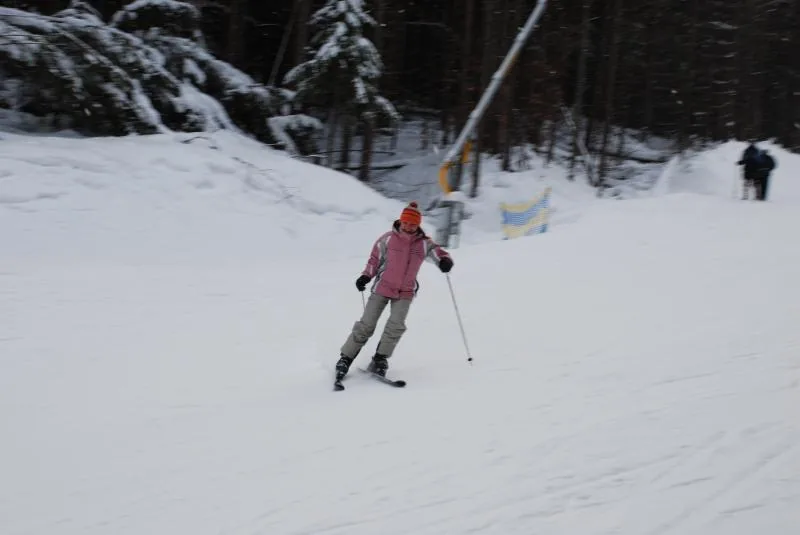 Skifahrer in pinker Jacke und orangefarbener Mütze fährt einen verschneiten Hang hinab.
Photo: Olga Buko
Key facts
- Alpine skiing means skiing downhill; competitive skiing includes several disciplines.
- On a holiday, the right run depends on the terrain, your ability, visibility and how you feel that day.
- Piste colours and difficulty ratings should be understood according to local rules.
- Boots, bindings and skis must work together and be adjusted correctly.
- Weather, fatigue and snow conditions affect your speed and your ability to return safely.
Recreational skiing and competition
In alpine skiing, skiers travel downhill and control their direction and speed using turns and edges. Competitions take place on marked courses under set rules; on a ski holiday, by contrast, the aim is to choose an open piste suited to your ability. The competition disciplines include downhill, super-G, giant slalom and slalom.
Choosing a suitable piste
Choose a run where you can brake and stop safely. Easier terrain gives beginners more room to practise their first turns; steeper or narrower sections call for confident changes of direction and suitable fitness. Piste colours can help with navigation, but should be interpreted according to local signage. Visibility, snow, crowds and closures can change how difficult the same slope feels.
On the piste, adjust your speed to your ability, the terrain, the weather and other skiers. Before setting off or starting again, look uphill and downhill. Stop in places where you can be seen, and leave enough room on narrow sections. If you get tired or lose control in poor visibility, take a break or call it a day.
Equipment and progression
Skis, boots and bindings work as a system. Boots should fit securely; have a specialist shop adjust the bindings to suit you and your equipment. Before your first run, visually check the edges, base and fastenings. A helmet, dry clothing and goggles suited to the visibility help with comfort and concentration.
Beginners learn braking, balance and turning best step by step; lessons can help correct mistakes early. More advanced skiers benefit from practising a specific technique rather than treating speed as a measure of progress. Advice on ski equipment and clothing can help you choose your gear. If you are combining your trip with other disciplines, you can factor nordic skiing and planning a ski holiday into your daily and travel plans.
