
Ice skating on a winter vacation: skating safely on the ice
Ice skating on a winter vacation: skating safely on the ice can be planned sensibly by considering the choice between an indoor rink and an officially opened outdoor area together with equipment and ice rules. Practical questions about location, timing, conditions and a safe experience are important when planning. General guidance is kept separate from information that must be checked for the specific date.
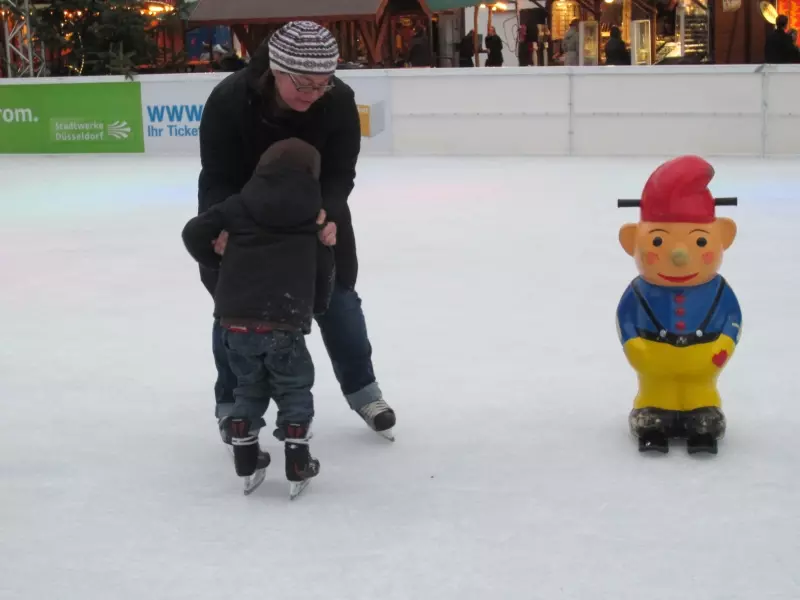 Ein Erwachsener unterstützt ein Kind auf einer Eisbahn; daneben steht eine bunte Schneemannfigur.
Photo: Markus Lenk / MaxTD Imagebank
Ein Erwachsener unterstützt ein Kind auf einer Eisbahn; daneben steht eine bunte Schneemannfigur.
Photo: Markus Lenk / MaxTD Imagebank
What planning involves
When choosing between an indoor rink and an officially opened outdoor area, as well as equipment and ice rules, the specific situation matters. General information provides a framework, but opening hours, weather, crowd levels, prices, operating hours and local rules can change. So check the information provided by the relevant operator or authority for your date. This makes expectations, costs and possible restrictions clear early on, allowing you to adjust your plans realistically.
Equipment, timing and organization
For ice skating on a winter vacation: skating safely on the ice, it helps to break the outing into individual steps. Work out who is taking part, what their skill levels are, what equipment is needed and how much time to allow for breaks. In groups with different needs, the schedule should not be dictated by the fastest or most experienced person. A flexible plan leaves room for cold weather, fatigue, travel delays and changes at the venue.
Weather, health and safety
Weather and how you feel directly affect your decision. Keep an eye on the temperature, wind, visibility, snow and the condition of paths. If you are tired, in pain, very cold, have poor visibility or feel unsure, adjust or end your plans. Children, beginners and inexperienced skaters need clear instructions and shorter sessions. Expert advice, barriers and staff instructions take priority over the desire for a particular experience.
Information to check before you go
Before booking or setting out, confirm the location, timing, travel arrangements, costs and contact person. Check that the service you want is actually available and find out what conditions apply. For seasonal offerings, old text or photos are only a guide, not a guarantee. When choosing between an indoor rink and an officially opened outdoor area, and considering equipment and ice rules, current information is essential—especially if opening status, classes, rentals, traffic, warnings or availability affect the day's plans.
Making decisions on site
On site, pay attention to what you can observe: signs, changing weather, the condition of equipment and paths, and your own stamina. Ask qualified staff if a rule or procedure is unclear. People who plan a safe way back, a break or an alternative usually make better decisions than those who let themselves come under time pressure. This applies to sports, events, work and open winter terrain.
Alternatives and follow-up
Good planning includes an alternative. This could be a shorter visit, a different date, an organized activity, an indoor program or a quiet day. After the activity, dry your equipment, adjust plans and keep important contacts accessible. This lets you use what you have learned the next day without treating a single impression as a general guarantee of safe ice skating on a winter vacation.
Practical checklist
Before setting off or starting work, list your destination, timing, travel arrangements and return journey. Check the current opening status or work schedule if it is relevant to your decision. Pack suitable clothing and equipment, and remember dry spare clothes, water and enough time for a break. For winter travel, factor in the weather, road conditions and extra time. Short sessions and clear instructions are especially important for children, beginners and inexperienced skaters. When there are professional or health-related risks, the safe conditions at the time—not the desire for a particular experience—should guide your decision. If information is unclear, ask the relevant operator and keep the response for your trip planning.
Further information
For your own preparation, see travel information, health and preparation and slope safety. The professional or local context is provided by German Ice Skating Union. For your specific date, also check the latest status with the local operator, organizer or responsible authority.
Frequently asked questions
What should I check before I go?
The location, timing, current conditions, opening status, travel arrangements, costs and the rules of the relevant operator.
How do weather and how I feel affect things?
Both can directly affect safety and how things go. If you are tired, cold, have poor visibility or feel unsure, adjust your plans.
How can I prepare well?
Bring suitable equipment, allow enough time, make sure you can reach someone for help, plan breaks and have a realistic alternative.
Are general details a guarantee?
No. Seasonal, technical or historical information provides context; current information for the location and date is authoritative.
