
Figure Skating on a Winter Vacation: Equipment, Rules, and Planning
Figure skating combines controlled movements, balance, and musical expression on the ice. It’s a great addition to a day on the slopes during a winter vacation when you’re looking for a shorter activity at an indoor rink or a supervised outdoor ice rink. For beginners, the challenge isn’t landing a difficult spin but getting started safely with suitable conditions, clear instruction, and plenty of time for breaks.
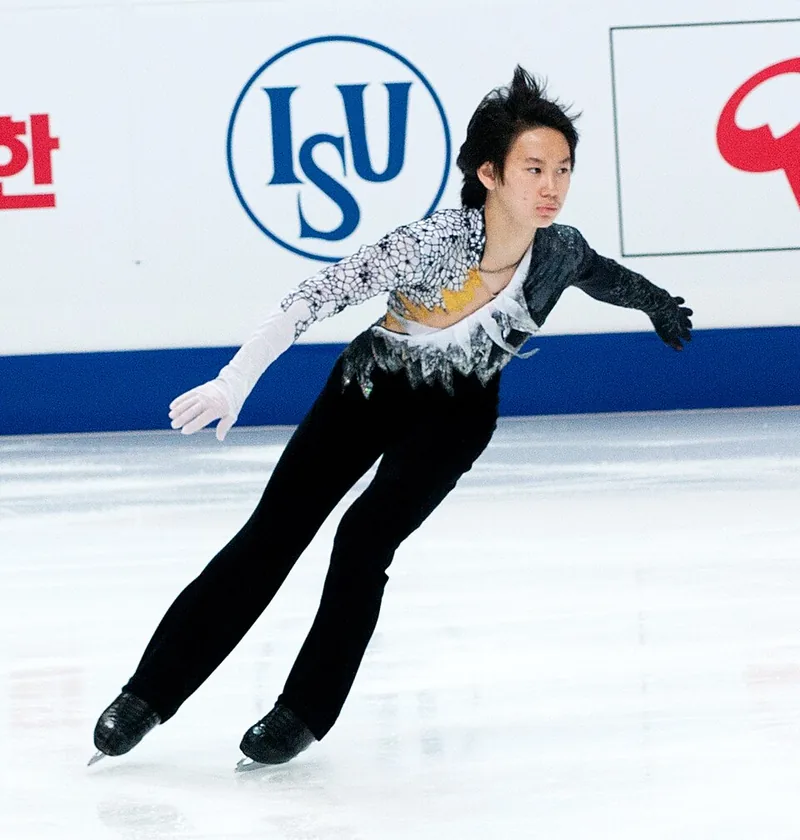 Eiskunstläufer bei einer Pirouette während eines Wettbewerbs.
Photo: deerstop
What matters in figure skating
In competitive figure skating, performances are judged on elements such as steps, jumps, spins, and execution. At a public skating session or vacation course, however, the rink’s rules and staff instructions apply. The two shouldn’t be confused: competition rules explain the sport, but they don’t replace local rules on skating direction, restricted areas, admission, music, lessons, or minimum age.
If you’re putting on skates for the first time, it’s best to start by the boards or in a designated beginner area. Bending your knees slightly, keeping your weight centered, and taking small steps will help more than going too fast. A course with a qualified instructor can teach you how to stop and turn, and how to keep a safe distance from others. Children should skate only in areas suited to their age and ability, and adult supervision should not be replaced by the presence of rink staff.
Equipment and preparation
Skates should fit your feet and feel secure without causing pressure points. Before heading onto the ice, take a moment to check the laces, blades, and skating clothes. Warm, flexible layers are better than a very thick jacket that restricts arm movement. Gloves protect against the cold and minor scrapes; for children, a helmet and knee or wrist guards may also be a good idea. Change out of wet clothes after your session.
At a public rink, hard objects in pockets, long scarves, and loose headphones can be a hazard. Glasses should fit securely. If you’re renting equipment, ask for the right size and report any uncomfortable pressure points immediately. Figure skates vary by model and differ from basic recreational skates; what matters is that the equipment suits its intended use and your ability.
Ice conditions, rules, and safety
The condition and availability of the ice affect your experience. Uneven surfaces, crowded rinks, poor visibility, or an unfamiliar skating direction increase the risk of falling. That’s why you should follow the instructions at the rink: skate in the designated direction, don’t stop suddenly, pass slowly, and enter the area behind the boards only when it’s open. Spins and jumps require enough space and a designated area.
If you fall, try to clear the ice as quickly as possible by moving to the edge, without getting up across the flow of skaters. Stop your session if you feel pain or dizzy, or if you’re injured. Cold, fatigue, and wet gloves make it harder to stay in control. Families are better off planning a short session with a warm break than an overly long outing. If the weather is bad or an outdoor rink is closed, have a confirmed alternative ready.
How to plan your session
Before your trip or on the morning of your skating day, check opening hours, admission, lesson times, rentals, age limits, and any reservation requirements directly with the operator. Organizations such as the International Skating Union and the German Skating Union provide background information about the sport; specific ice conditions and rink rules come from the facility itself.
For a group, it’s helpful to agree on a meeting point outside the rink. Beginners should choose an area with good visibility and leave more challenging elements for later. If you’re planning several days of winter sports, don’t schedule figure skating straight after a particularly long day on the slopes. This helps you stay focused and flexible. For longer visits, pack a small snack, water, and a dry spare pair of gloves.
Frequently asked questions about figure skating
Can you start on vacation with no prior experience?
Yes, provided a suitable rink or beginner course is available. Taking small steps, practicing how to stop, and keeping the session short are better ways to get started than attempting jumps or quick changes of direction.
Do you need special figure-skating clothes?
No. Warm, flexible clothing, gloves, and well-fitting skates are enough for your first attempts. Extra protective gear is worth considering, especially for children and beginners who feel unsteady.
Where can you find reliable rules?
Skating organizations explain the disciplines and competition context. For public skating, lessons, rentals, age limits, and ice availability, only the current information from the specific rink is authoritative.
