
Ice Stock Sport
Experience ice stock sport on your winter holiday
Ice stock sport can add variety to a ski holiday, especially if you don’t want to spend every day on the slopes. It’s a great activity for travelers who want to combine exercise, winter scenery, and new experiences. Depending on the sport or activity on offer, there are simple beginner sessions as well as more demanding options that require experience, suitable equipment, and the right conditions.
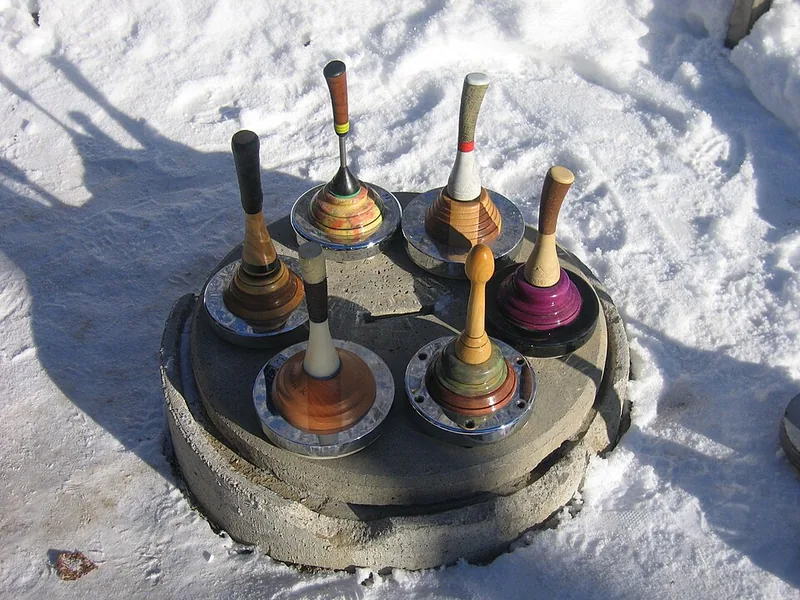 Eisstock auf einer vereisten Spielfläche als Motiv für Eisstockschießen.
Photo: Kmarka
Eisstock auf einer vereisten Spielfläche als Motiv für Eisstockschießen.
Photo: Kmarka
At your destination, check whether lessons, guided activities, or designated courses are available. For less familiar winter sports in particular, a brief introduction can help you understand the rules, technique, and safety distances. Families should also check minimum age requirements, availability of children’s equipment, places to take breaks, and proximity to their accommodation.
Equipment, weather, and safety
Suitable clothing has a major impact on how much you enjoy ice stock sport. Depending on the activity, you may need several breathable layers, warm gloves, shoes with good grip, or sport-specific protective clothing. Conditions can change quickly on ice, in wind, or after fresh snowfall, so take the forecast, daylight, visibility, and local advice seriously.
If you’re new to the activity, it’s best to start on easy courses or with an instructor. The pace, terrain, and group size should match your ability. For longer outings, bring drinks, small snacks, and a charged phone. In alpine terrain, also check avalanche conditions, stay on marked routes, and plan your return time.
Who is this activity for?
Ice stock sport is a good option for winter holidaymakers looking for activities beyond skiing or snowboarding. Some activities are relaxed and focused on enjoyment, while others are athletic and technical. It’s especially appealing to combine it with a ski area that also offers sledding, cross-country trails, winter walks, ice skating, or day-trip destinations. This keeps your holiday flexible when the weather, snow conditions, or your fitness level aren’t suitable for the slopes every day.
Get off to a good start
If you’d like to try ice stock sport, start with an introductory session. A short briefing, suitable clothing, and realistic expectations make all the difference. Many winter sports seem easier than they are when you first try them, so allow plenty of time and don’t begin with long routes, high speeds, or difficult terrain.
It’s also important to take breaks and keep an eye on conditions. Cold, wind, slippery surfaces, or soft snow can change how strenuous an activity is. If you’re with children or inexperienced participants, choose easy-to-follow areas and short sessions. That way, the activity will be a positive memory and something you can repeat on another day of your holiday.
Combine it with a ski holiday
Ice stock sport is an especially good complement to a classic day of skiing. After several days on the slopes, a different activity adds variety and may also suit travel companions who don’t ski. Many destinations combine winter sports with toboggan runs, cross-country trails, winter walking routes, ice rinks, or guided tours. This makes your holiday more flexible and less dependent on a single sport.
Plan realistically
With ice stock sport, less is often more: a shorter session with good preparation is better than an overly long program that leaves you short of energy and concentration. Especially on the first day of your holiday, give yourself time to adjust to the altitude, cold, and snow. If you’d like to combine several activities, schedule breaks between days and make sure your equipment and clothing can dry out.
For groups, it’s a good idea to agree on meeting points, times, and difficulty levels in advance. That way, more athletic participants can try something more challenging while beginners choose an easier option. With this kind of planning, ice stock sport becomes a worthwhile addition to your winter holiday rather than just a last-minute filler.
A quick planning checklist
A quick check before your trip is helpful: Is the activity suitable for your ability? Are the weather and snow conditions right? Are there alternatives if the lifts are closed or the weather is bad? Do you have all the equipment you need? Sorting these things out in advance helps avoid unnecessary detours and makes it easier to get the most out of your winter holiday.
It’s also worth looking back after your trip. Was your accommodation conveniently located? What equipment did you miss? Which activity would you like to spend more time on next time? Experiences like these make planning your next trip easier and help you choose your ski holiday more carefully.
Ice stock sport is a sport played on a suitable rink, where players carefully position ice stocks. The most important decisions are made in the first few minutes: check your own safety, pinpoint the location as accurately as possible, call for help clearly, and warn other winter sports enthusiasts. Stay in a safe place and follow the instructions of the local ski patrol. Our information on winter sports can help you plan your day.
Stay calm and act methodically
If you’re unsure what to do, follow a clear sequence. Secure the area, check whether anyone is responsive, and call for help. Don’t present guesses as a diagnosis. Professional help is especially important in cases of unconsciousness, severe pain, breathing difficulties, or a possible head or spinal injury. Move injured people only if they’re in immediate danger.
Marked routes, highly visible clothing, and a charged phone make communication easier but don’t guarantee reception. A brief note with your accommodation and contact details can help with arrangements after an accident. For equipment and safety advice, see ski and snowboard equipment and slope safety.
After the incident
If possible, make a note of the time, location, and people involved. If there was a collision, exchange contact details. The official IFI Rulebook for Ice Stock Sport is the relevant reference for conduct, assistance, and consideration for others. Local rescue and operating instructions take precedence.
Practical preparation
- Check emergency numbers and agree on a meeting point before setting off.
- Read the piste map and the latest updates.
- Use only suitable, inspected equipment.
- Take a break if the weather changes, you’re tired, or you’re injured.
- In an emergency, give your location, slope, lift, and situation.
Frequently asked questions
What is ice stock sport?
It’s a sport involving controlled movements on a rink designed for the purpose.
Do you need your own equipment?
For an occasional try-out, the facility may be able to provide equipment.
Where can you play?
Only on designated, approved surfaces. A frozen lake is not automatically safe.
