
Freestyle Skiing on a Winter Holiday: Equipment, Rules and Planning
Freestyle skiing can add an athletic dimension to a winter holiday, but it calls for a realistic assessment of your ability, the conditions and what is available. If you are trying the activity for the first time, it is better to plan a short lesson than an ambitious program without preparation.
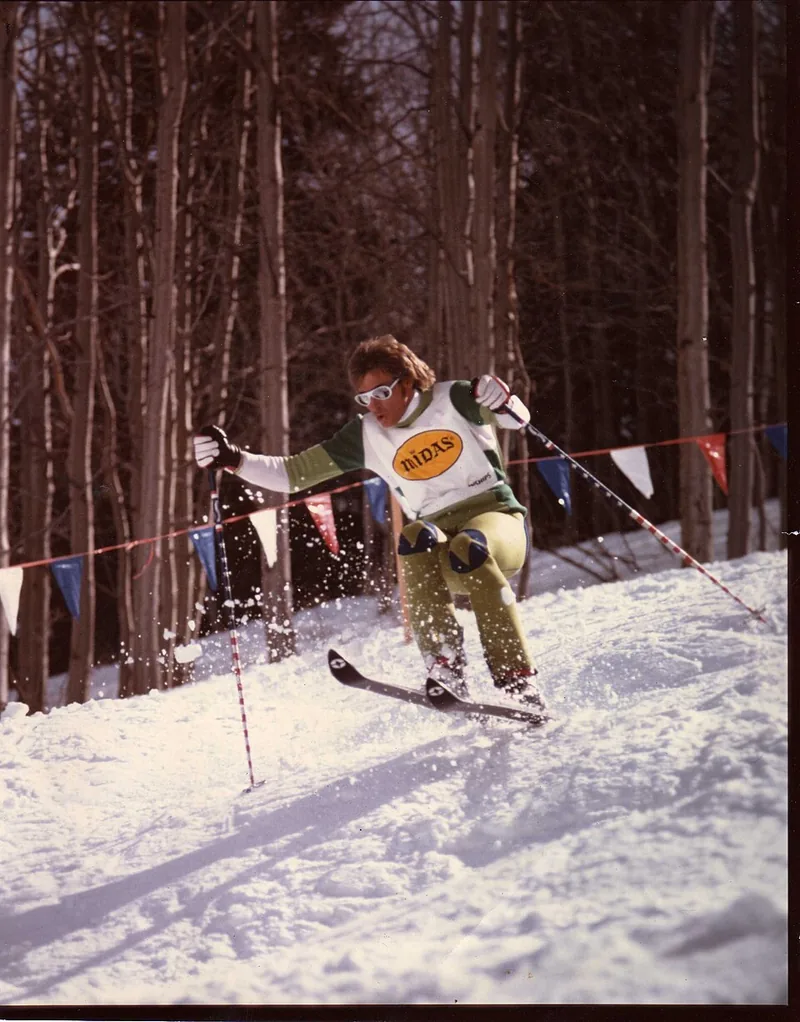 Skifahrer fährt einen Buckelpistenkurs beim Freestyle-Skiing.
Photo: Peggy Daigle
Understanding freestyle skiing
Freestyle skiing includes several disciplines, such as moguls, aerials, ski cross, slopestyle and halfpipe. Depending on the discipline, the focus may be on quick turns, jumps, obstacles or tricks. On holiday, the key distinction is between an open terrain park, a marked piste and unsecured terrain. Features and speed must match your ability.
Beginners should first learn the basic stance, how to brake and how to make controlled turns on easy pistes. Jumps should be practised only on designated features that are open, and only after an introduction. Before each run, check the approach, landing, visibility and distance from the next person. If you cannot assess an obstacle safely, go around it. A park is not the place to make up for a lack of basic technique at high speed.
Choosing and preparing
Before booking or travelling, it is worth checking the specific facility: Is there a suitable area, a course, rental equipment or a supervised introduction? The operator sets opening hours, admission fees, minimum age, reservation requirements, local rules and current operating status. General information from associations can help provide context, but does not replace local advice.
For families and groups, the program should accommodate different ability levels. A shared meeting point outside the sports area helps avoid unnecessary searching. If you combine several winter activities, allow time to rest and bring dry clothes to change into. Water, a small snack and a charged phone are useful for longer outings.
Equipment suited to your ability
Equipment must suit the sport, the area and your experience. Before setting off, check rental equipment for size, fit, fastenings and visible damage. Warm, flexible clothing worn in several layers offers better protection than one very heavy layer. Gloves, dry socks and a windproof outer layer belong in your bag for outdoor activities. Protective gear such as a helmet, back, knee or wrist protection may be advisable or required, depending on the discipline and your ability.
Weather, exertion and safety
Snow, ice, wind, visibility and temperature can change over the course of a day. Before setting off, check the facility’s latest notices and, where relevant, weather or avalanche information. End the session if visibility is poor, you hear unusual noises, equipment is damaged or your concentration starts to fade. Beginners should choose clear, approved areas and increase the difficulty and duration only gradually. Children need clear rules, short sessions and adult supervision.
Be considerate on shared areas: follow the direction of travel, keep your distance, stick to marked routes and observe closures. If you fall or notice an injury, move safely out of the way and get help. Away from secured facilities, only people with appropriate experience and equipment, and an up-to-date assessment of the hazards, should venture out.
Freestyle skis need to be the right length and have bindings adjusted appropriately; a helmet and sport-specific protection are important. Depending on the feature, a back protector and other protective gear may be advisable. Check bindings and edges before skiing. Loose items, headphones that limit awareness and unsuitable clothing increase the risk.
Expert information and local checks
The International Ski and Snowboard Federation provides information on freestyle disciplines in international skiing. The German Ski Association offers expert information about skiing. The facility operator determines park rules, opening status, age limits and requirements for introductions.
Landings and park etiquette
For jumps, the landing is just as important as the approach—if not more so. Before using a feature, check that it is marked as suitable for your level and that no one is in the landing or run-out area. After landing, clear the area promptly. If you fall, signal and wait for a safe opportunity to get up. Park rules may change during the day as a result of grooming, snow and weather conditions.
Frequently asked questions about freestyle skiing
Which freestyle discipline is suitable for beginners?
It depends on your experience and what is available. Simple, supervised practice on approved features is better than attempting jumps on your own.
Does a terrain park need to be open?
Yes. Closures, maintenance and visibility conditions may affect individual features. Check the latest park information before using it.
Is a helmet enough?
A helmet is important protection, but it does not replace good technique, keeping a safe distance or choosing an appropriate level of difficulty.
