
Speed Skating on a Winter Holiday: Equipment, Rules and Planning
Speed skating can add a sporting element to a winter holiday, but it calls for a realistic assessment of your ability, the conditions and what is on offer. If you are trying the activity for the first time, it is better to plan a short session with instruction than an ambitious program without preparation.
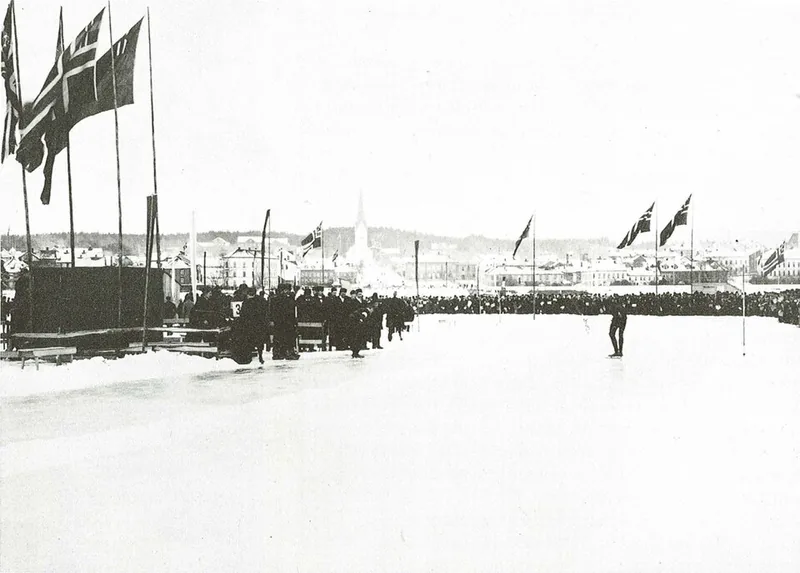 Historische Aufnahme der Europameisterschaft im Eisschnelllauf in Hamar 1894.
Photo: R. Eriksen
Understanding speed skating
Speed skating is a technically demanding sport in which skaters race as fast as possible on a specially prepared track. In competition, speed, cornering and compliance with the relevant lanes and rules all matter. For holidaymakers, the first thing to find out is whether a suitable track offers training, introductory sessions or public skating. A regular recreational ice rink is not automatically suitable for skating at speed.
The long blades and low skating position require balance, mobility and control. Beginners should build up speed only once they can start, stop and avoid obstacles safely. Corners should not be practiced on a crowded public skating rink. An introduction from a coach or rink staff can help you understand the direction of travel, lane-change areas and spacing.
Choosing and preparing
Before booking or setting off, check the specific facility: Is there a suitable surface, a course, rental equipment or a supervised introduction? Opening hours, admission, minimum age, reservations, local rules and current operating status are determined by the operator. General information from governing bodies can provide context, but does not replace local advice.
For families and groups, the program should accommodate different ability levels. Agreeing on a meeting point away from the skating area avoids unnecessary searching. If you are combining several winter activities, allow time to rest and bring dry changes of clothes. Water, a small snack and a charged phone are useful for longer outings.
Equipment suited to your ability
Equipment must be appropriate for the sport, the surface and your experience. Before setting off, check that rental equipment is the right size, fits properly, fastens securely and shows no visible damage. Warm, flexible clothing in several layers is better protection than one very heavy layer. For outdoor activities, pack gloves, dry socks and a windproof outer layer. Protective gear such as a helmet, back, knee or wrist protection may be advisable or required, depending on the discipline and your ability.
Weather, exertion and safety
Snow, ice, wind, visibility and temperature can change throughout the day. Before starting, check the facility’s latest notices and, where relevant, weather or avalanche information. End the session if visibility is poor, you hear unusual noises, equipment is damaged or your concentration begins to fade. Beginners should choose clear, approved areas and increase the difficulty and duration only gradually. Children need clear rules, short sessions and adult supervision.
Be considerate on shared surfaces: follow the direction of travel, keep your distance, use marked routes and observe closures. If you fall or notice an injury, move safely out of the way and get help. Away from managed facilities, only people with suitable experience and equipment and a current understanding of the hazards should venture out.
Speed-skating skates differ from basic recreational skates. The blades, fit and bindings must be appropriate for the skater’s height and intended use. A helmet, gloves and close-fitting clothing are advisable depending on rink rules and the type of training. Check the lacing and blades before every session; do not use damaged equipment.
Expert information and local checks
The International Skating Union outlines the international rules and competition framework. The German Speed Skating Association is the national governing body in Germany. The operator is responsible for track access, public skating, rental equipment and local safety requirements.
Build technique gradually
The low speed-skating position can feel unfamiliar at first and puts more strain on the legs and back than relaxed gliding. Training should therefore start with mobility exercises, gentle starts and short technique drills. In corners, keep your eyes in the direction of travel while using your hands and arms to support the movement. Rest and hydration are important between runs. Beginners should not set their session length based on the pace of experienced skaters.
Frequently asked questions about speed skating
Is speed skating the same as ice skating?
No. Speed skating uses a suitable track and specialized technique. Recreational ice skating is usually slower and more focused on gliding together.
Do you need lessons?
An introduction is highly recommended before your first fast laps. It explains track rules, cornering and how to behave when overtaking.
Can you rent skates?
Only if the specific rink offers suitable models and they fit correctly. Check availability in advance.
