
Heliskiing on a Winter Holiday: Requirements and Safety
Heliskiing on a winter holiday combines a helicopter flight with a descent through open terrain that is not served by regular ski pistes. It sounds spectacular, but it requires considerably more preparation than an ordinary day of skiing. Experience, fitness, suitable equipment, a professional guiding plan and conservative decisions based on the weather and snow conditions all go hand in hand. A flight or descent is never guaranteed.
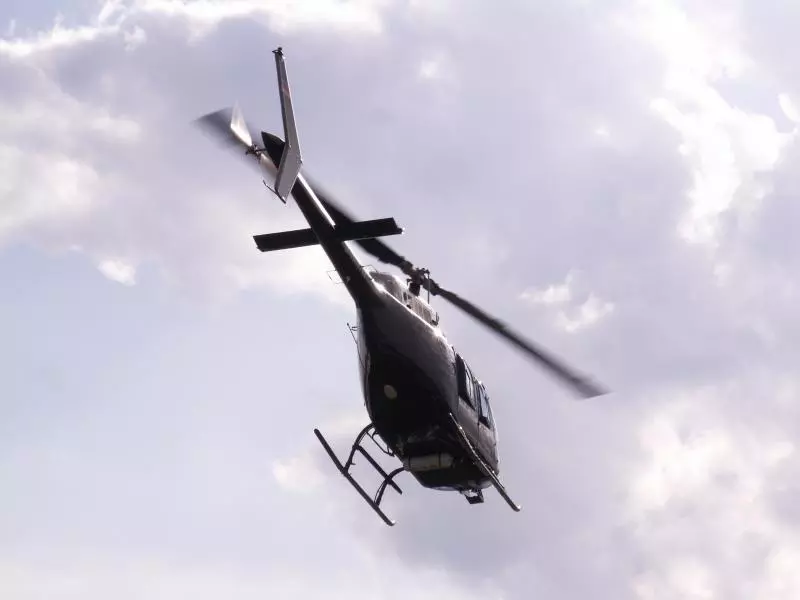 Ein Hubschrauber fliegt gegen einen hellen Himmel; das Foto dient als Symbolbild für den Flug zum Ausgangspunkt einer Heliski-Tour.
Photo: RRinnau / MaxTD Imagebank
Who heliskiing may be suitable for
What matters is not only whether someone can ski confidently on a groomed piste. In open terrain, you also encounter changing snow conditions, hard-to-read transitions, steeper sections and longer descents. Anyone who has not yet learned to ski powder under control should first practise in accessible terrain with a qualified guide. Good technique is no substitute for local knowledge or a current assessment of conditions.
Before booking, operators should ask about skiing ability, fitness, previous experience, group size and any health conditions. Specific requirements vary. They may include a minimum age, particular equipment, insurance, medical information or acknowledgment of local rules. Only the individual operator can confirm these requirements. If questions about avalanche conditions, cancellations, emergency plans or responsibilities are answered evasively, it is better to choose another offer.
Avalanche conditions, weather and flight decisions
In open terrain, the snowpack, terrain, wind, precipitation, temperature and visibility all need to be assessed together. The SLF avalanche bulletin and snow situation provide expert information for assessing risk, but they do not constitute clearance for a specific tour. The guide and responsible operator must also take local observations, flight conditions and how conditions develop during the day into account.
A responsible operation treats cancellations or changes as a normal part of safety. Poor visibility, strong winds, an unfavourable snowpack, technical problems or an unsafe landing option may mean that the flight is postponed, shortened or replaced. Ask in advance what costs apply in the event of a cancellation, whether an alternative programme is offered and when the final decision will be made. A blanket assurance of safe snow conditions is no substitute for up-to-date information.
Equipment and preparation
Depending on the operator, personal equipment includes skis or a splitboard, a helmet, goggles, warm and flexible clothing, and a backpack that fits securely. Additional emergency equipment may be required for trips in open terrain. Depending on the plan, this may include an avalanche transceiver, shovel, probe, first-aid supplies and communication devices. The operator must explain the specific equipment list, function checks and briefing.
Do not borrow safety-critical equipment without checking it first. Ask to be shown how to wear it, switch it on and use it in an emergency. A quick function check before departure is just as important as suitable boots, dry gloves and enough fluids. Anyone who needs medication should inform the responsible person in good time. Fatigue, dehydration and cold can also impair judgement and skiing technique.
Itinerary and conduct on the mountain
Before departure, the meeting point, group, signals, pace, spacing and what to do in the event of a fall are discussed. Follow the guide and never leave the agreed route on your own initiative. Spacing is set to keep the group in sight and avoid putting several people in hazardous areas at the same time. The order may change depending on the terrain and the guide’s decisions.
After a fall, those involved should remain responsive if possible, secure their position and follow instructions. No one should ski back to look for someone without being told to do so. The group must be informed immediately if anyone feels unwell, frightened or unable to continue. Responsible guiding also means ending a descent if conditions or the group require it.
Booking and responsible alternatives
Before booking, compare the operator, included services, group size, guide qualifications, equipment, transport, insurance information and cancellation terms. Also check whether the itinerary suits your ability and what information will be reconfirmed shortly before the date. Do not accept promises of a specific route or summit descent when the decision depends on the weather, visibility and snowpack.
If you do not meet the requirements or do not want to take on the risk, the overview of winter sports, ski touring or winter hiking offer other options. For groomed descents, see the information on alpine skiing, piste rules and ski equipment. Local advice and current conditions remain essential there too.
Heliskiing FAQ
Is heliskiing suitable for beginners?
As a rule, the offer is intended for people with confident skiing skills in open terrain. The individual operator sets the specific level and all requirements. Anyone who has not yet learned to ski powder under control should first choose suitable lessons with a qualified guide.
What happens if the weather is bad?
The flight may be postponed, shortened or cancelled. Factors include visibility, wind, precipitation, snowpack and the availability of a safe landing site. Read the cancellation and refund terms before booking, and plan an alternative.
What emergency equipment is required?
This depends on the operator and the specific safety plan. Additional equipment for emergencies in open terrain is often required. Ask in advance for the complete list, function checks and briefing.
