
Bavaria: Accommodation for Cross-Country Skiing, Nature and Culture
Accommodation in Bavaria
When choosing accommodation in Bavaria for a trip combining winter, nature and cultural activities, you should not focus solely on the name of the federal state. The options range from around 80 kilometers of groomed cross-country ski trails in Bavarian Forest National Park and guided national park experiences available year-round to UNESCO World Heritage Sites, museums and historic sites. This allows you to choose the right base according to whether cross-country skiing, nature trails, culture or a combination of these is the main focus.
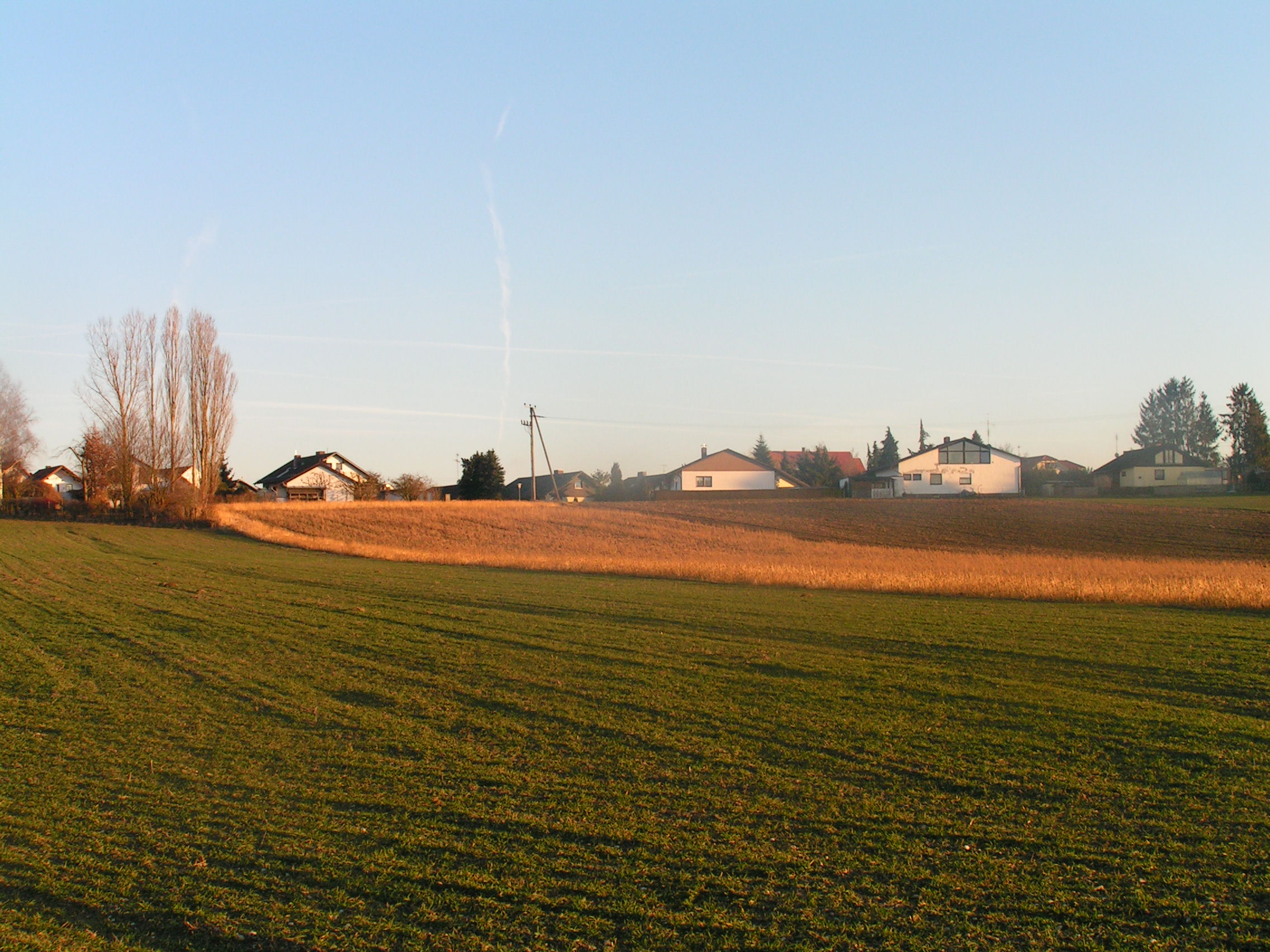 Bavaria
Photo: Ilya Kalachev
Key facts on the topic
- Bavarian Forest National Park runs along the Bavarian-Czech border between Bayerisch Eisenstein in the district of Regen and Mauth in the district of Freyung-Grafenau.
- The national park includes around 350 kilometers of marked hiking trails, more than 200 kilometers of designated cycling paths and around 80 kilometers of groomed cross-country ski trails.
- More than 13,700 species are found between Falkenstein, Rachel and Lusen.
- The national park opened on October 7, 1970, as Germany’s first national park and offers guided experiences year-round.
- Bavaria has fourteen UNESCO World Heritage Sites. Bamberg’s Old Town has been a UNESCO World Heritage Site since December 11, 1993.
- The Fünf-Seidla-Steig in northern Franconia is a ten-kilometer beer hike connecting five small breweries.
Winter in Bavaria: Nature, Cross-Country Skiing and Trails
For travelers focused on cross-country skiing, Bavarian Forest National Park is a clearly defined point of reference: it has around 80 kilometers of groomed cross-country ski trails. This figure describes the national park’s trail network, not a single offering covering all of Bavaria. Those who also plan activities away from the ski trails can consider the approximately 350 kilometers of marked hiking trails and more than 200 kilometers of designated cycling paths as part of their regional orientation. Which routes are suitable for your specific travel period depends on the individual planning.
The national park also offers guided national park experiences with expert accompaniment throughout the year. At the Lusen National Park Center near Neuschönau, an information building and an adjoining wildlife enclosure form a combined attraction. This makes it possible to combine information about nature with a separate visit without focusing the trip exclusively on winter sports.
The national park’s visitor service provides information about getting there and local public transportation. The official Bavarian tourism service also provides information on traveling by car, train or airplane.
Culture and Excursions for Different Interests
Bavaria is also suitable for travel groups in which not everyone is planning the same activities. Bamberg’s Old Town contains 1,200 historic buildings dating from the 11th to the 18th century and has been a UNESCO World Heritage Site since December 11, 1993. The Margravial Opera House in Bayreuth is considered a masterpiece of Baroque theater architecture and is one of the few original surviving theater buildings of its era in Europe. Operas and concerts are still performed there today.
Further cultural points of interest include the Würzburg Residence, with its magnificent staircase and ceiling fresco by Giovanni Battista Tiepolo, as well as Neuschwanstein Castle. Neuschwanstein Castle was added to the UNESCO World Heritage List in July 2025, together with the other Bavarian royal palaces. The castle was opened to the public just a few weeks after the death of King Ludwig II. Linderhof Palace is also home to the Venus Grotto, an artificial stalactite cave with a lake, waterfall and electric lighting.
For those interested in museums, Bavaria has more than 1,300 museums with collections covering history and art, science, crafts and customs. Around 80 Bavarian museums have joined thematic networks to make orientation easier. At the Pestenacker Stone Age Village, visitors can see a reconstructed house as well as replicas of Neolithic pottery, tools, weapons and clothing. The five Roman museums along the Bavarian Danube Limes in Kelheim, Regensburg, Straubing, Künzing and Passau display Roman finds and provide insights into the lives of the Romans along the Danube.
Choosing the Accommodation Region Based on Your Travel Plans
It is best to organize your search according to the main purpose of your trip. If cross-country skiing is the priority, Bavarian Forest National Park, with its approximately 80 kilometers of groomed cross-country ski trails, should be the starting point for your considerations. If culture and changing day-trip destinations are more important, UNESCO sites, museums or historic buildings can provide the framework. For a group with different interests, it may make sense to consider nature experiences, culture and culinary destinations together when choosing the accommodation region.
Specific access information should also be included in the planning. The King’s House on Schachen in the Wetterstein Mountains is located at an altitude of 1,866 meters and can only be reached on foot. This access differs considerably from visiting an information building, a museum or a historic old town. The Fünf-Seidla-Steig, in turn, is a ten-kilometer beer hike with five small breweries and is a travel component aimed at people who want to combine physical activity with regional beer culture. Bavaria therefore offers different types of trips, without this automatically implying a shared route or a specific accommodation location.
Regional Orientation
For further classification of individual subregions, you can choose between Rhön-Grabfeld, Rosenheim, Roth, Rottal-Inn, Schwandorf, Straubing-Bogen, Tirschenreuth, Traunstein, Unterallgäu, Weilheim-Schongau, Weißenburg-Gunzenhausen, Wunsiedel in the Fichtel Mountains, Ostallgäu, Passau, District of Regen, Neustadt an der Aisch-Bad Windsheim, District of Neustadt an der Waldnaab, Oberallgäu, District of Miesbach, Mühldorf am Inn, District of Ebersberg, District of Erding, Forchheim, Freising, Freyung-Grafenau, District of Fürstenfeldbruck, Fürth, Hof, Kitzingen, Kronach, District of Kulmbach, Landsberg am Lech, Landshut, District of Lindau (Lake Constance), District of Garmisch-Partenkirchen, Main-Spessart, Coburg Region, Nuremberg Land, Munich Region, Starnberg Region, Bad Tölz-Wolfratshausen, Amberg-Sulzbach, Ansbach, Aschaffenburg, Bad Kissingen, Bamberg, Bayreuth, Cham, District of Dachau, District of Deggendorf, Berchtesgadener Land and District of Lichtenfels choose.
FAQ
Which winter activity is specifically described for Bavaria?
Bavarian Forest National Park has around 80 kilometers of groomed cross-country ski trails. Guided national park experiences are also offered there year-round.
What nature activities are available in Bavarian Forest National Park?
The national park has around 350 kilometers of marked hiking trails and more than 200 kilometers of designated cycling paths. More than 13,700 species in total are found between Falkenstein, Rachel and Lusen.
How is the national park geographically situated?
It extends along the Bavarian-Czech border between Bayerisch Eisenstein in the district of Regen and Mauth in the district of Freyung-Grafenau. It opened on October 7, 1970, as Germany’s first national park.
What information is available about getting there?
The national park’s visitor service provides information about getting there and local public transportation. The official Bavarian tourism service also lists travel options by car, train and airplane.
Which cultural destinations are suitable as additions?
The destinations described include Bamberg’s Old Town, the Margravial Opera House in Bayreuth, the Würzburg Residence, Neuschwanstein Castle, Linderhof Palace, as well as numerous museums and Roman museums.
Is there any special access information?
The King’s House on Schachen is located at an altitude of 1,866 meters and can only be reached on foot. This information should be taken into account when planning your day trips and accommodation.
To the general travel overview: Germany.
