
Ski Resorts in Transition: Climate, Glaciers & Sustainability
Ski resorts are changing as the climate, snow conditions, technology, transport and guest expectations change. For travelers, this means considering current conditions alongside longer-term trends.
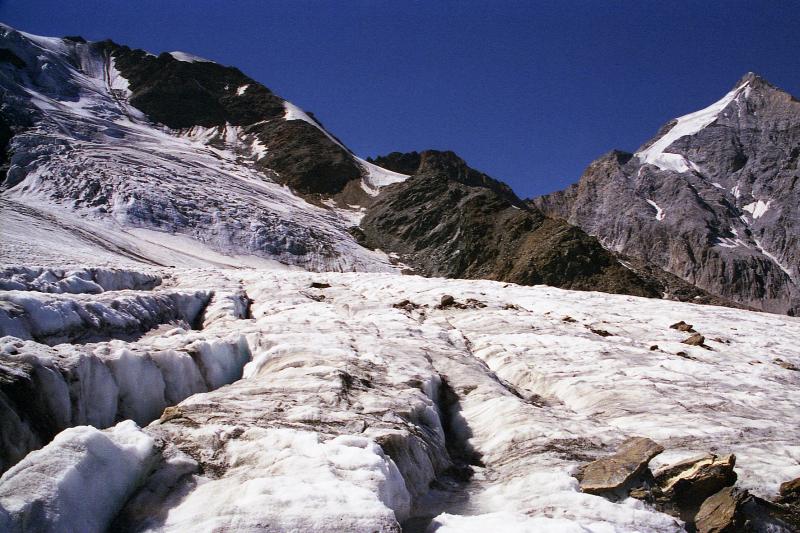 Gletscher mit Spalten und schneebedeckten Berggipfeln unter klarem Himmel.
Photo: VinschgerEngl
Key facts
- Warmer winters can affect snowfall, snow cover and season planning.
- Altitude, slope aspect and local weather patterns lead to differing impacts.
- Snowmaking requires suitable conditions and resources and cannot replace a complete winter snow cover.
- Glaciers respond to sustained warming and changing precipitation.
- Water, energy, transport and local infrastructure all factor into adaptation decisions.
- Travelers can choose dates and destinations flexibly and take the journey into account.
Snow and altitude
Rising temperatures change the likelihood of precipitation falling as rain rather than snow; the duration of snow cover can also change. For an individual ski resort, altitude zones, slope aspect, wind and precipitation patterns also matter. When considering snow reliability at ski resorts, it is important to distinguish long-term snow conditions from the situation on the day of travel. Assessing snow reliability therefore means considering location, travel dates and current operating information.
Glaciers and sensitive mountain environments
Glaciers respond to temperature, precipitation and the length of the warm season. Changes can affect landscapes, water resources, trails and mountain safety planning. In a glacier ski resort, ice loss also affects infrastructure: lifts anchored in the ice can become exposed as the ice recedes. Glacier ski resorts in transition therefore have to adapt their facilities to changing ice surfaces, as well as their slopes.
Snowmaking, water and energy
Technical snowmaking can support prepared slopes when temperature and humidity conditions are suitable. It requires water, energy, pipes, storage and time for distribution and maintenance. Warmth, rain and wind limit what is possible. Machine-made snow from snow cannons is produced by spraying water. Snowmaking as an adaptation measure is therefore dependent on suitable production conditions; water and storage ponds are part of the required infrastructure. Energy demand at ski resorts also depends on location, weather, operating hours and facilities.
Adaptation involves more than snowmaking. Resorts can concentrate their operating areas, develop offerings for other seasons, improve access by public transport, and plan their use of energy and water. Which measures make sense depends on the natural environment, infrastructure, regulations and economic viability.
Changes to travel and activities
Visitors can include trains and buses in their travel plans and choose accommodation close to a transport connection. For travel by train and bus, the connection from the station to the accommodation and ski resort also matters. Some resorts are also developing summer activities and using their cable cars as lifts for hikers and mountain bikers.
Changing conditions put smaller resorts under varying degrees of pressure. At smaller ski resorts under pressure, weather-dependent revenue has to be balanced against necessary investment. The effects of climate change on ski resorts therefore also influence economic decisions. For the future of ski holidays, flexible travel dates and a varied range of holiday activities are becoming increasingly important.
FAQ
How can I plan more flexibly?
Compare several travel periods and destinations, check current operating information, and consider alternatives that do not depend on skiing.
