
Smaller Ski Areas Under Pressure: Facilities, Costs and Adaptation
Smaller ski areas face particular decisions. They have to fund lifts, slopes, staff and safety, even though the season can be short and the weather changeable. At the same time, they can appeal to families, beginners and day visitors because distances are short, facilities are manageable and everything is close at hand. For travelers, it is worth looking beyond size and comparing the facilities, accessibility and current operating status.
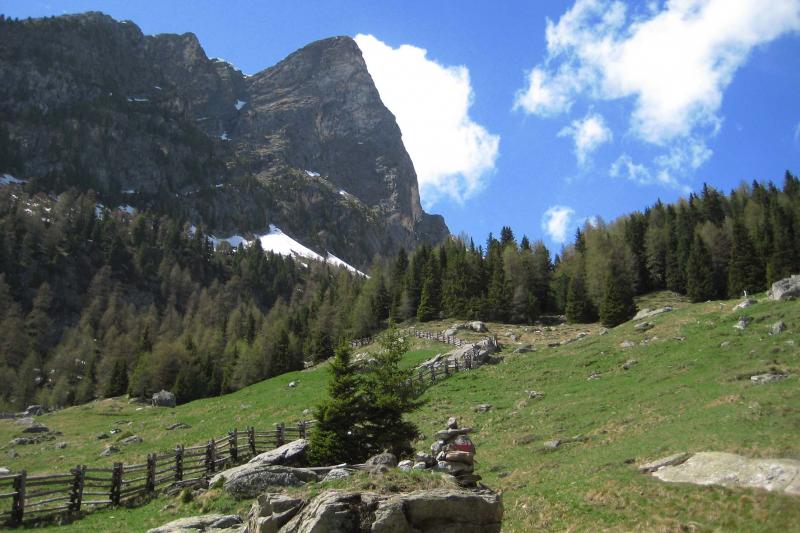 Alpine Landschaft mit Holzzaun, Felsen und Nadelbäumen vor einer Bergkulisse.
Photo: VinschgerEngl
Alpine Landschaft mit Holzzaun, Felsen und Nadelbäumen vor einer Bergkulisse.
Photo: VinschgerEngl
Why the financial situation matters
A ski area does not make its living from lift tickets alone. Visitors also spend money on accommodation, food and drink, ski schools, rentals, shops and other services. On its page about facts and figures on the cableway industry, the German Cableway Association summarizes a study of regional economic value creation. According to the study, a large share of overnight guests’ spending goes to businesses around the cableway. The figures cited there apply to the German cableway industry covered by the study and are not the accounts of any one ski area.
For a small operator, a few weeks of good conditions can therefore make a big difference. At the same time, there are ongoing costs for maintenance, staff, energy, snowmaking, slope grooming and regulatory requirements. Investments have to be planned carefully. Some locations supplement winter operations with summer activities, events or hiking opportunities to provide a broader base for revenue and jobs.
The strengths of smaller areas
A smaller area can offer advantages when it comes to finding your way around. Beginners may have a short walk from the car park to the practice slope, families can keep a closer eye on their children, and day visitors can organize their day without long transfers. A compact layout also makes it easier to take spontaneous breaks. For a first day on skis or a weekend trip, this can matter more than the number of kilometers of slopes.
However, these strengths are not guaranteed. What matters is which lifts are open, whether parking is available, and whether there is a ski school, rental service, food and drink, and a safe connection between different areas. This information has to come from the operator concerned. A general guide to slopes, lifts and facilities can help you read a piste map, but it is no substitute for up-to-date information.
Weather, snowmaking and adaptation
Snow-poor or warm winters can hit smaller areas harder if only a few slopes have snowmaking facilities. Artificial snowmaking can help cover key slopes, but it requires suitable temperatures, water, energy and time. Maintenance and grooming also have to remain affordable. A large installation is therefore not always the best solution. Depending on the location, targeted snowmaking, good snow management, flexible operating hours and additional year-round activities may be a better fit.
Managing the weather is an ongoing task. An operator may open a practice slope one day and close areas the next because of warmth, rain or wind. When planning a trip, check the snow report, webcams, lift status and information about lessons or rentals. If you stay flexible, you can plan a rest day, winter hiking or sledding as an alternative. Tips on planning a ski holiday can help you take these decisions into account early.
What visitors can check when comparing areas
A fair comparison starts with what you want from your trip. Beginners need a suitable practice slope, a lesson and short distances. Families look for childcare, places to take breaks and an easy route back to their accommodation. More experienced skiers should check whether the open runs suit their ability. If you are traveling by public transport, check the shuttle or bus connections and the route from the village to the lift.
Timing also matters. In peak season, a small area may be pleasantly quiet, while with little snow only a limited section may be open. Before booking, current information from the operator is therefore more important than an old figure for slope mileage. A day trip to an easily reached area can be a more sustainable choice if it avoids long journeys and extra transfers. This is a practical travel decision, not a blanket judgment about the area’s size.
FAQ
Are smaller ski areas automatically at risk?
No. Their financial situation depends on location, costs, demand, snow conditions, facilities and regional cooperation. Size alone is not enough to assess them.
Why can smaller areas appeal to families?
Short distances and a compact layout can make it easier to find your way around. Current information about practice slopes, childcare, rentals and open lifts will show whether that is actually the case.
What should I check before visiting?
Important details include the snow report, lift status, piste map, travel arrangements, parking, lessons and any restrictions. Check this information directly with the operator of the area you plan to visit.
