
Glacier Ski Area: Conditions and Safety
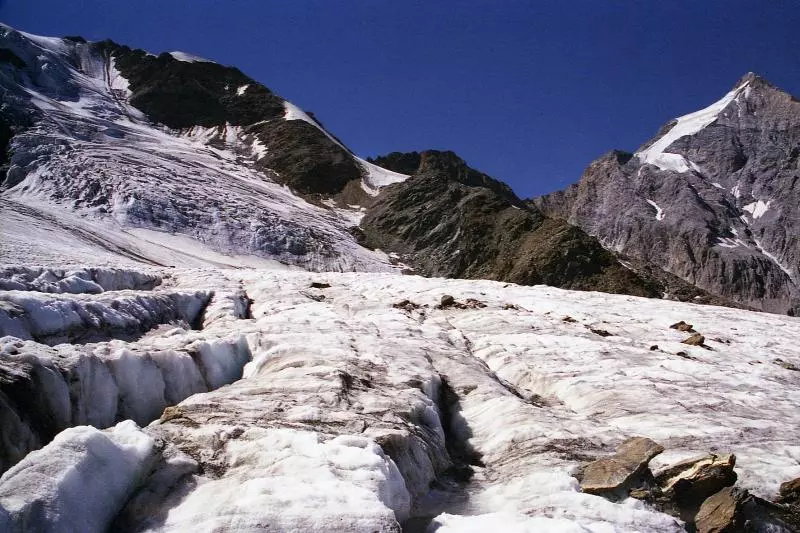 Gletscherlandschaft mit tiefen Spalten und schneebedeckten Berggipfeln unter klarem Himmel.
Photo: VinschgerEngl / MaxTD Imagebank
Key facts
- Glacier ski areas are located in high alpine terrain, where altitude and weather shape the ski day.
- Which lifts and runs are open depends on current conditions and the operator’s decision.
- Wind, snowfall and visibility can affect operations at short notice.
- Altitude and your personal condition affect how strenuous the day feels.
- On glaciers, crevasses outside secured pistes may be hidden beneath the snow.
- Sun protection and protection from the cold are both essential.
Operations and altitude
Glacier areas are located in the high mountains. Altitude, weather, and changing snow and ice conditions have a greater effect on the ski day than in lower-lying areas. The operator decides which lifts and pistes are open based on the conditions at the time; information from previous seasons does not guarantee what will be open on a later date. Wind, snowfall and poor visibility can change what is open at short notice, so it is worth planning an alternative for the day.
The altitude may take some getting used to. Starting gently, drinking enough fluids and paying attention to how you feel can help you gauge the strain. If you feel unwell, very tired or unsure, take a break; seek qualified help if needed. If you have health concerns related to altitude, discuss them with a medical professional before your trip.
Secured pistes and glacier crevasses
On open, marked pistes, follow closures and the instructions of staff. This is different from high-alpine touring in unsecured glacier terrain, where crevasses may be hidden beneath the snow. Route choices depend on the terrain, conditions and the ability of the group.
A groomed track outside an officially open piste is not automatically a secured route. Glacier tours require suitable alpine skills, as well as equipment and planning appropriate to the specific tour. Snow conditions, visibility and temperature can change over the course of the day. The snow conditions in the ski area affect how you ski. On marked pistes, adjusting your speed to the conditions and observing closures are part of slope safety.
Sun and cold protection
Strong sunlight and cold can occur at the same time. Sun protection, eye protection and layered clothing are therefore all essential. Skis, bindings, boots and helmets should suit the individual and the activity; if you are unsure about the settings, ask a professional. Preparing your health for skiing also means considering your personal fitness and protecting yourself from the cold and sun.
