
Hautes-Pyrénées: Hotels and Accommodation
Accommodation in Hautes-Pyrénées
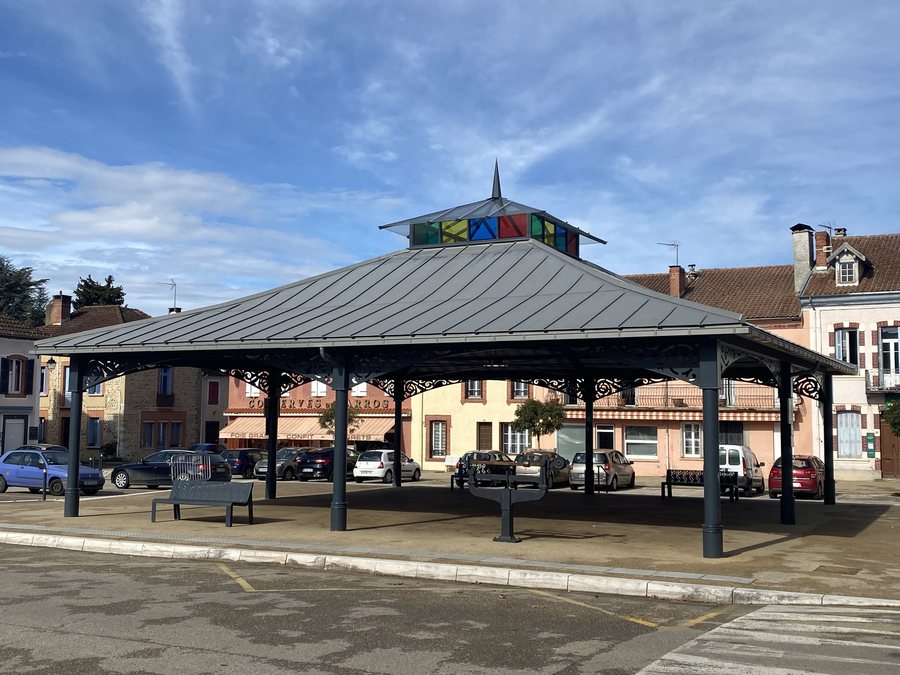 File:Halle, Place d’Astarac, Tournay, Hautes-Pyrénées, Occitanie, France 02.jpg
Photo: Florent Pécassou via Source, CC BY-SA 4.0
File:Halle, Place d’Astarac, Tournay, Hautes-Pyrénées, Occitanie, France 02.jpg
Photo: Florent Pécassou via Source, CC BY-SA 4.0
Hautes-Pyrénées showcases its mountain scenery at remarkable sites: a visit to the Pic du Midi begins with a 15-minute cable-car ride to the summit, where visitors can step onto a 12-metre-long Sky Bridge.
The decision to book a hotel in Hautes-Pyrénées depends on your own travel plans.
Mountain landscapes and protected areas
The French side of the Pyrénées - Mont Perdu World Heritage Site is characterised by the spectacular walls of its mountain cirques. The site also preserves a transhumance system that has been maintained for centuries, including Spanish grazing on the French side.
The Réserve nationale du Néouvielle contains at least 70 lakes. It was established in its present form in 1968 and is one of France’s earliest nature reserves. It is also notable for having Europe’s highest-altitude forests of mountain pine.
In Hautes-Pyrénées, the Parc National des Pyrénées stretches across four valleys: Aure, Barèges, Cauterets and Azun. Its diverse mountain ecosystems include forests, meadows, glaciers and lakes. The park includes seven national park visitor centres and five refuges offering overnight stays in the mountains.
The Refuge des Espuguettes offers panoramic views of the cross-border peaks of the Cirque de Gavarnie, including the Brèche de Roland and the Pic du Vignemale.
Trails, high-altitude passes and cable cars
The V81 cycle route crosses Hautes-Pyrénées via Lourdes, Tarbes and Lannemezan, following roads with little traffic.
The departmental Géotrek system helps users find official forest walks, cycling climbs and cycle routes in Hautes-Pyrénées. The departmental PDIPR supports routes for pedestrians, cyclists, runners and horse riders.
The Col du Tourmalet reaches an altitude of 2,115 metres and offers views across the Bastan and Gripp valleys. A hiking route around Mont Perdu was created as part of a cross-border cooperation initiative.
Pilgrimage traditions, history and culture
The torchlight procession in Lourdes was introduced in 1863. The Eucharistic procession in Lourdes leads from the sanctuary meadow to the Basilique Saint-Pie X and dates back to 1874.
The Grotte des apparitions is the sanctuary’s main place of devotion; it contains the spring and the statue of Notre-Dame de Lourdes.
The Musée pyrénéen is housed in the Château fort de Lourdes and combines medieval heritage, panoramic views and the cultures of the Pyrenees. Founded around 1921, the museum displays collections about the societies and traditions of the French and Spanish Pyrenean valleys.
Pont d’Espagne in Cauterets is a bridge dating from 1886 that formerly served as a grazing route for trade with Spain. Pyrénéisme is understood as a sporting and literary movement involving travel through the Pyrenees and writing about these experiences; it contributed to the development of Gavarnie.
Regional overview
The département organises tourism in Hautes-Pyrénées around ten recognisable destinations, each centred on a holiday resort or a major attraction. Hautes-Pyrénées can be reached by train via the stations in Lourdes and Tarbes.
Flavours and regional products
Gâteau à la broche is an emblematic pastry of Hautes-Pyrénées and is still made by hand in some households. Culinary traditions also include farmhouse mountain cheeses, Charcuterie made from Noir de Bigorre pork, mountain honey and garbure.
Almost every valley in Hautes-Pyrénées has a craft brewery that uses mountain water. The Madiran and Pacherenc-du-Vic-Bilh wine regions extend across Hautes-Pyrénées as well as the départements of Pyrénées-Atlantiques and Gers.
A chocolate house in Lourdes is said to have been founded by an apothecary in the early 18th century and continues to make chocolate today.
More local pages: Ancizan, Arbéost, Villelongue, Guchen, Gèdre, Viscos, Agos-Vidalos, Cadéac, Uz, Arrens-Marsous, Vignec, Gavarnie, Ayzac-Ost, Argelès-Gazost, Vielle-Aure, Bagnères-De-Bigorre, Estaing, Pierrefitte-Nestalas, Aragnouet, Luz-Saint-Sauveur, Germ, Eup, Fronsac, Loudenvielle, Lourdes, Saint-Lary-Soulan, Peyresourde-Balestas, Arreau, Barèges, Cauterets.
For the broader travel overview: Midi Pyrenees.

