
Climate Change and Winter Sports: Effects on Ski Resorts
Rising temperatures are changing the conditions for winter sports. For travelers, this does not mean that every ski resort is affected equally or that every season is the same. The key factors are region, altitude, terrain, weather, and local developments. Anyone planning a ski holiday should therefore consider long-term changes separately from current operating information.
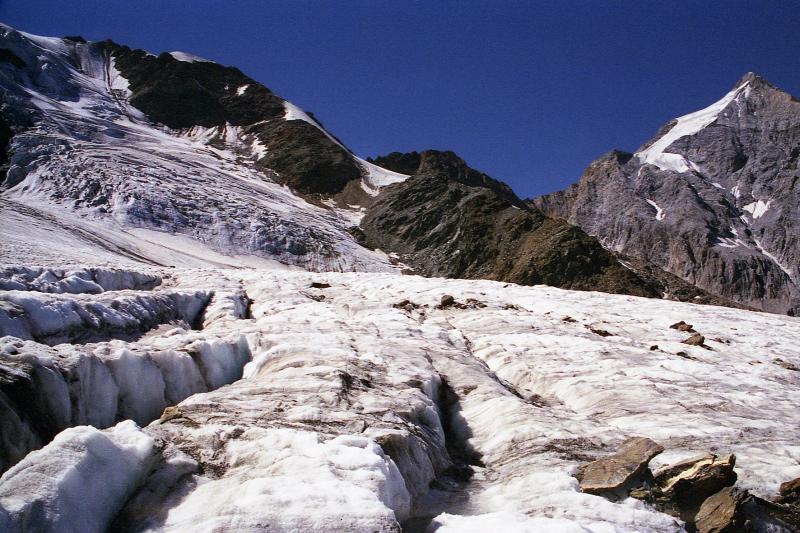 Gletscher mit Spalten und schneebedeckten Berggipfeln unter klarem Himmel
Photo: VinschgerEngl
Gletscher mit Spalten und schneebedeckten Berggipfeln unter klarem Himmel
Photo: VinschgerEngl
Key facts
- Climate warming is changing snow and winter conditions in many regions.
- The effects on snow cover and winter sports vary by region and season.
- Global or Europe-wide reports describe risks, but do not predict conditions at an individual ski resort on a particular day.
- Less reliable natural snowfall can make planning and operating ski resorts more challenging.
- Adaptation measures can reduce risks, but do not eliminate all dependence on weather and temperature.
- For a specific trip, up-to-date information about the destination and travel dates is still essential.
What is changing for snow and winter sports
The IPCC Synthesis Report summarizes the scientific understanding of warming, climate risks, and adaptation. The European Environment Agency examines climate risks in Europe. Both sources provide an overarching framework. They are no substitute for a current snow report or checking conditions at a particular ski resort.
For winter sports, the key point is that temperature, precipitation, and snow cover interact. Even a regional shift in conditions can change the periods when natural snow is available. However, this does not support a blanket statement about every resort. Snow reliability at a ski resort should always be assessed using current, local data.
Why the effects vary
Ski resorts differ in altitude, aspect, terrain, accessibility, and facilities. As a result, the same weather conditions can affect different places in different ways. Personal travel decisions also depend on whether someone relies on natural snow cover, groomed slopes, cross-country skiing, or other activities.
When comparing resorts, the ski resort overview is helpful because it brings together slopes, lifts, and facilities as parts of the overall experience. The timing of a ski holiday also matters when choosing a season. Snow conditions and open areas should be checked again shortly before traveling; long-term reports cannot replace this day-to-day check.
Adaptation and its limits
Ski resorts respond to changing conditions in various ways. These may include technical solutions, changes to the range of activities, or a stronger focus on year-round tourism. Topics such as snow, snowmaking, and snow cannons, energy at ski resorts, and snowmaking as an adaptation measure show that such decisions depend on both technical and natural conditions.
A measure is no guarantee of particular conditions. If this is a concern, check with the resort concerned to find out which areas are actually operating, what current information has been published, and which activities suit your travel plans. For a broader perspective, see ski resorts in transition, glacier ski resorts in transition, and sustainable ski holidays.
What travelers can consider when planning
Good planning separates three questions: What is changing in the long term? What adaptations is the resort you have chosen pursuing? What are the current conditions for your travel dates? For families, facilities at the ski resort and suitable beginner areas may matter more than a general marketing term. If you want a holiday that is not exclusively about skiing, winter hiking can be an additional option, though its local availability should also be checked.
FAQ about climate change and winter sports
Are all ski resorts equally affected by climate change?
No. Regions, altitudes, terrain, and local weather conditions differ. General statements should therefore not be applied directly to an individual ski resort.
Does climate change automatically mean that ski holidays will no longer be possible?
Such a blanket statement is not well-founded. Conditions and risks are developing differently from one region to another. Travel decisions depend on the specific destination, the time of year, and current information.
Can snowmaking fully offset the effects?
No. Adaptation measures can support operations, but they do not eliminate all dependence on temperature, water, energy, terrain, and weather. The specific situation should be checked with the resort.
Which sources explain these developments from a scientific perspective?
The IPCC describes the international scientific consensus. The European Environment Agency provides context on climate risks in Europe. Both are foundational sources, but neither provides daily ski resort reports.
