
Sustainable Ski Holidays
A sustainable ski holiday starts with the journey there and continues with accommodation, equipment and getting around each day. By carefully comparing transport options, length of stay and local journeys, you can avoid unnecessary trips. The right preparations depend on your travel dates and the level of activity you have planned.
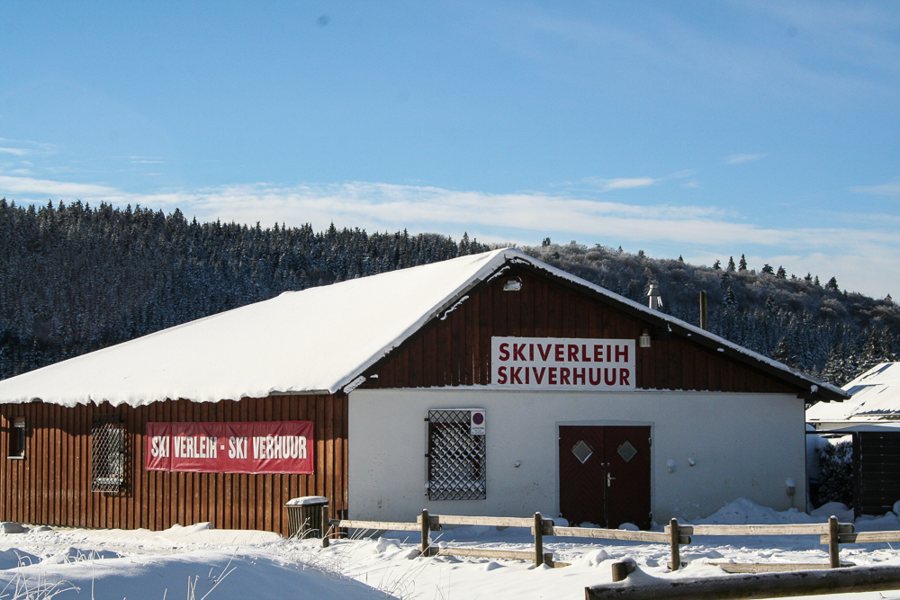 A ski rental building stands beside a snow-covered, forested hillside.
Photo: sabine
A ski rental building stands beside a snow-covered, forested hillside.
Photo: sabine
Preparing before you leave
The German Environment Agency describes sustainable mobility as an important way to reduce environmental impacts. For a specific trip, consider travelling by train or bus, using a shared transfer or carpooling before committing to a rental car for the entire stay. The connection needs to suit the ski resort. Information from the German Environment Agency on sustainable mobility provides a general framework; check timetables, prices and connections with the providers for your travel dates.
Pace yourself sensibly
Skiing combines endurance, balance, strength and quick reactions. So don’t plan your first day solely around how many runs are open. Taking breaks, drinking enough and finishing the day early can help you start the following days feeling relaxed. If you’re inexperienced, begin with simple exercises and gradually increase the duration. Children, older travellers and people with existing health conditions should take particular care to account for their individual circumstances. If you’re unsure or have health concerns, seek medical advice before travelling.
Cold, sunshine and visibility
In winter, cold, wind and bright snow can put a strain on your skin, eyes and airways. Pack sunscreen with adequate protection, lip balm, gloves, dry clothing and suitable goggles. Change out of wet clothing as soon as possible. If you experience unusual tiredness, severe cold, dizziness, pain or other symptoms, stop exercising and arrange for help. Weather, visibility and temperature can change your plans for the day, so check the latest conditions before setting out.
Equipment and daily routine
The right equipment supports safety and comfort. Boots should not pinch, your helmet should fit securely and your goggles should suit the visibility. Ask a specialist or rental shop staff if you’re unsure. Guidance on ski equipment and safe behaviour on the slopes can help you prepare. A quick equipment check in the morning can prevent minor problems from only becoming apparent on the mountain. Plan for breaks, bring water and an extra layer, and make sure you have a way back.
Planning at your destination
Practical planning starts with getting there and back. At your destination, accommodation within easy reach, a ski bus or an accessible valley station can reduce daily car journeys. For help choosing accommodation, see the guidance on accommodation and meals. If you’re renting equipment, compare ski hire with bringing your own, taking distance, needs and duration of use into account.
When your body needs a break
Rest is part of a ski day. Muscle soreness, lack of sleep or arriving later than planned can affect your stamina. A morning off, a walk or a leisurely meal are possible alternatives. If you’re unsure how to interpret symptoms or notice them getting worse, seek medical advice. General information is no substitute for an examination or personalised advice.
Plan the whole trip realistically
Good preparation takes your personal needs and the actual itinerary into account. Seek professional advice before your holiday if you have health-related questions. To make sustainable choices, consider not just individual modes of transport but the entire route, the number of overnight stays and how you’ll get around at your destination. Small steps such as travelling together, choosing regional food, wearing durable clothing or renting equipment you rarely use can reduce the overall impact. The key is to choose an option that is safe, accessible and practical for everyone travelling with you.
Practical checklist
- Increase activity gradually and plan your first day realistically.
- Check the weather, visibility and temperature before setting out.
- Check your goggles, helmet, boots, clothing and sun protection.
- Plan breaks, drinks and a way back.
- If you experience symptoms, stop exercising and arrange for help.
FAQ
How can I travel more sustainably?
Travelling by train or bus, taking a shared transfer or carpooling can be alternatives to driving alone. Check the specific connection for your travel date and destination.
What are the benefits of a longer stay?
Your journey there and back is spread over more holiday days. This can make the trip feel more relaxed.
How can I reduce journeys at my destination?
Accommodation near the lift access, a ski bus, public transport or a shared transfer can reduce car journeys.
