
La Rioja: Hotels and Accommodation
Accommodation in La Rioja
The GR-93 long-distance hiking trail, “Sierras de La Rioja,” is 200 kilometres long and crosses the entire mountainous area in the south of the biosphere reserve.
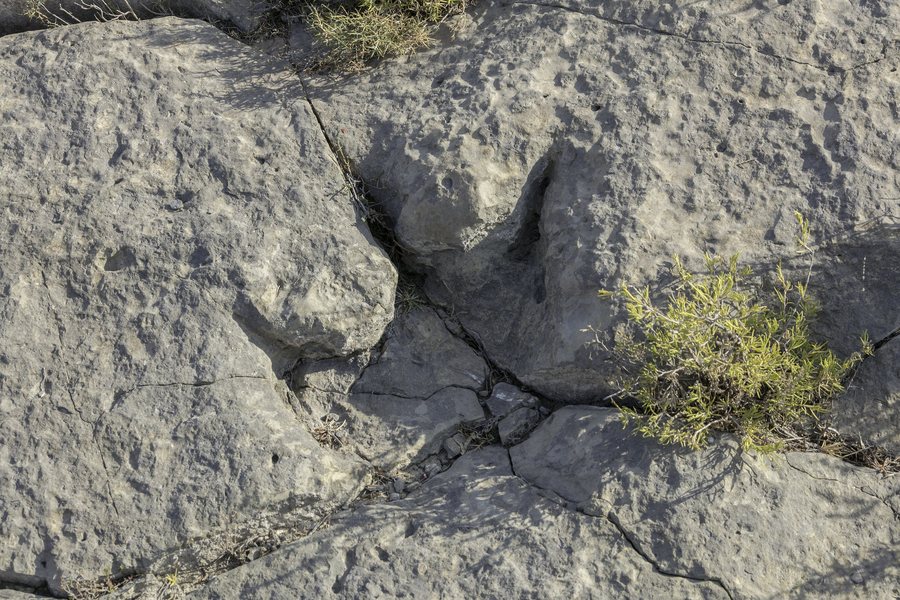 File:Yacimiento de las Navillas, Cervera del Río Alhama, La Rioja, España, 2021-08-31, DD 12.jpg
Photo: Diego Delso via Source, CC BY-SA 4.0
File:Yacimiento de las Navillas, Cervera del Río Alhama, La Rioja, España, 2021-08-31, DD 12.jpg
Photo: Diego Delso via Source, CC BY-SA 4.0
For your stay in La Rioja, you may want to book a hotel.
In 2003, UNESCO recognised the Biosphere Reserve of the Leza, Jubera, Cidacos and Alhama Valleys as a biosphere reserve. It covers 122,811 hectares, corresponding to 24 per cent of the area of La Rioja, and extends across 40 municipalities.
Mountains and Trails
The landscape of the Biosphere Reserve of the Leza, Jubera, Cidacos and Alhama Valleys includes rocky cliffs, river gorges and landscapes shaped by human activity, with old terraces and agricultural mosaics.
The GR-93 “Sierras Riojanas” passes through Ezcaray; the GR-190 “Altos Valles Ibéricos” also runs entirely through La Rioja. The Way of St James through La Rioja crosses the landscapes of the Ebro Valley, vineyards and cereal fields, as well as small, picturesque villages.
The Vía Verde del Cidacos follows a former railway line for 34 kilometres in two stages, with an additional four-kilometre variant. It passes through transitional landscapes from the valley to the Sierra, along the river slopes of the Cidacos and past the Peñas de Arnedillo, home to a significant colony of vultures and cliff-dwelling birds.
The Pozas de Arnedillo are located on the banks of the Cidacos and are freely accessible; their mineral-medicinal, hyperthermal springs emerge at a temperature of 52.5 °C.
Culture
The Celtiberian settlement of Contrebia Leukade lies within the Biosphere Reserve of the Leza, Jubera, Cidacos and Alhama Valleys and is considered one of the largest Celtiberian settlements in Spain.
The dinosaur finds in La Rioja date back to the Early Cretaceous, around 120 million years ago; they include Prejanopterus curvirostris, the first pterosaur species defined in Spain. La Rioja has around 140 sites with fossilised dinosaur footprints distributed across 20 municipalities; Enciso is one of the most notable sites.
The Monasterio de Santa María La Real was founded in 1052 at the instigation of King García Sánchez III and his wife, Estefanía de Foix. The present church dates from 1516 and has three naves and a transept.
The part of the Monasterio de San José that can be visited today is the church; it was consecrated in 1642 and has a cruciform layout in accordance with Carmelite tradition.
The Basílica de Santa María de los Arcos was originally built as a Roman mausoleum in the 3rd century and was converted into a Christian basilica in the 5th century. Beneath its floor, Early Christian graves from the 5th and 6th centuries, reused Roman sarcophagi from the 1st to 3rd centuries, as well as other medieval sarcophagi and Roman and Early Christian funerary stelae, have been discovered.
The Concatedral de Santa María de la Redonda is located in the heart of Logroño’s old town, between Portales and Caballerías streets and Plaza del Mercado.
Wine and Cuisine
In La Rioja, more than 80 of the region’s over 500 wineries can be visited as part of organised tourist visits. Wine tourism includes vineyard visits, sporting activities among the vines, grape treading and insights into the work of winegrowers.
La Rioja’s cuisine includes Bacalao a la Riojana with tomatoes and peppers, as well as crayfish, trout, snails and mushrooms.
La Rioja’s desserts and pastry specialities include Hormigos, marzipan from Soto, Molletes de Santo Domingo de la Calzada and Fardelejo filled with almonds.
Other regional destinations: San Millán De La Cogolla, Ezcaray, Zorraquín, Azarrulla.
To the main travel overview: Spain.
More destinations
More places within the same destination:

