
L'espunyola: Culture, Nature and Trails
Accommodation in L'espunyola
Culture
The first specific documentary reference to Castell de l'Espunyola dates from 950. Castell de l'Espunyola preserves part of its walls, the large portal on the eastern side and the remains of the former church of Sant Climent del Castell. As an architectural complex, Castell comprises several buildings and two towers; the main tower at the southern end served as a residence and is dated to approximately the 13th century. From kilometre 139 of the C-26, Castell can be reached via an asphalt track just over 3 kilometres long.
Sant Climent de l'Espunyola houses a polychrome wooden carving of Saints Cosmas and Damian from the former church of Sants Metges. Despite alterations and its complete deterioration, Sant Salvador de Mata preserves part of its opus spicatum paving. Església Sant Sadurní del Cint has been documented since the 10th century; its side and western walls still date from the earlier construction phase, while the apse and side chapels are from a later period. Parròquia Santa Margarida del Mercadal o del Cint may be a 12th-century building and repeats a simple model that is common in the region.
Capella de la Marededéu del Bosc is a small rectangular single-nave chapel without an apse; the year 1861 is carved into the monolithic lintel. It is located at approximately kilometre 132.5 of the C-26, directly beside the road. The megalithic tomb Bressol de la Mare de Déu del Bosc is located about 25 metres north of the chapel, on the road from Berga to Cardona.
Nature
A large part of l'Espunyola is covered by forest, including pine forests, holm oak forests and oak forests. Part of l'Espunyola belongs to the Natura 2000 site and Site of Community Importance ES5130029 Serres de Queralt i Els Tossals-Aigua d'Ora. Forest types and the connection with the protected area provide different reference points if you want to classify the landscape by theme.
Routes
The main course of the Ruta ramadera is 32 kilometres long and divided into three sections: l'Espunyola–Avià, Avià–Olvan and Olvan–Sagàs. The Ruta ramadera can be undertaken on foot, on horseback or by mountain bike. The Camí de l'Espunyola a la Vall d'Ora (ICR10) passes through the El Cint area and near Sant Sadurní. The Els Tossals Trail takes place every year in November and covers approximately 14 kilometres with around 700 metres of elevation gain; paths and cross-country sections are preferred. The differing figures for length, elevation gain and means of travel provide several points of comparison for planning.
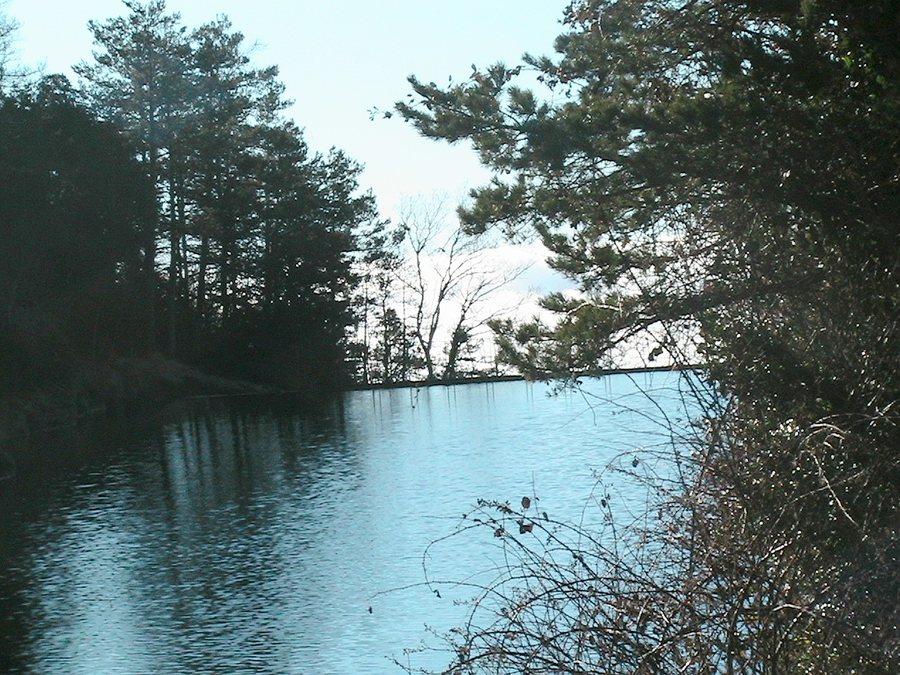
The Ruta-Joc del Castell de l'Espunyola uses hidden QR codes, questions and puzzles. Solving them gives access to a story about the history of Castell de l'Espunyola. The El bosc encantat route begins on the path opposite the house of Cal Peuet, heading towards the reservoirs of l'Espunyola; after approximately 500 metres of the route, you begin to observe something there.
Events
Fira clàssics l'Espunyola is a meeting place for friends and enthusiasts of classic vehicles such as motorcycles, cars and tractors. It takes place on the first Sunday in August in l'Espunyola (Berguedà).
To the overarching travel overview: Barcelona.

