
Catalonia: Hotels and Accommodation
Accommodation in Catalonia
Aigüestortes i Estany de Sant Maurici National Park lies at elevations between 1,200 and 3,000 metres and encompasses more than 200 lakes as well as numerous rivers, gorges and wetlands. Catalonia combines this distinctive mountain and aquatic landscape with nature parks, historic buildings and important cultural sites.
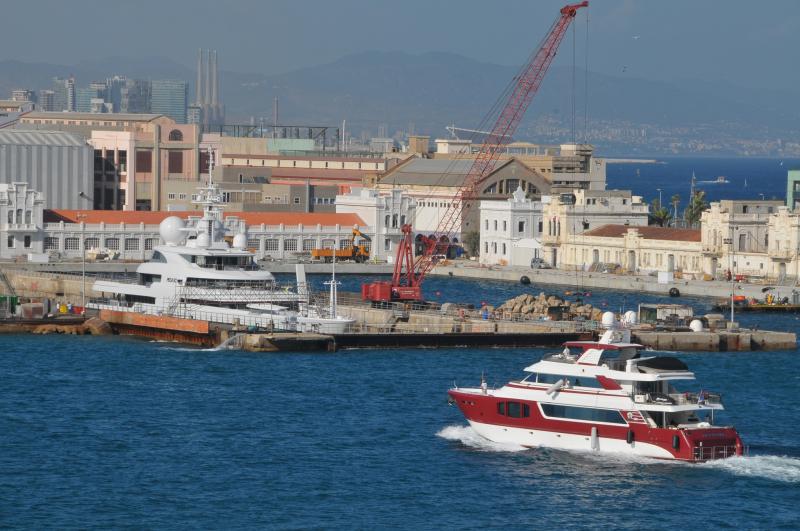
If you have chosen Catalonia for your trip, you may want to find or book a hotel.
Nature
Cap de Creus Nature Park encompasses the restored Romanesque monastery of Sant Pere de Rodes, which was built between the 10th and 12th centuries. At the same time, Cap de Creus Nature Park is Catalonia’s first maritime-terrestrial nature park; it was established in 1998.
The Ebro Delta Ecomuseum showcases the delta’s natural habitats – river, lagoon, riparian forest and springs – as well as areas shaped by people, such as huts, gardens, rice fields and the irrigation system; there is also an aquarium. Catalonia’s specially protected natural areas provide visitor facilities that make stays easier and enable a deeper understanding of the values that are fundamental to their protection.
The Escala de l'enteniment viewpoint is located in the wider regional surroundings of Catalonia. Also located in the wider regional surroundings of Catalonia are the Puigdellívol peak, the Roca Sareny peak and the el Queixal Corcat peak.
Culture and History
The Dalí Theatre-Museum is located in the former municipal theatre of Figueres. The museum displays more than 1,500 works by Salvador Dalí, including paintings, drawings, sculptures, prints, stereoscopic works, installations, holograms and photographs. The Dalí Theatre-Museum also offers activities, temporary exhibitions and guided tours.
Sant Climent de Taüll has fully preserved its original features and is used for tourism and cultural purposes. The UNESCO World Heritage Site Works of Antoni Gaudí comprises seven buildings constructed by Antoni Gaudí (1852–1926) in or near Barcelona.
Poblet Monastery has a fortified royal residence and houses the pantheon of the kings of Catalonia and Aragon. The Archaeological Ensemble of Tarraco comprises Roman walls, the imperial cult precinct, the square featuring a representation of the provincial forum, the Circus, the colony forum, the Roman theatre and the amphitheatre. Tarraco was the first and oldest Roman settlement on the Iberian Peninsula as well as an important administrative and trading city in Roman Spain.
The Camí de les Canals i de l’Aigua, GR 5/96, is known as the Montserrat pilgrimage route and has a long historical tradition. Montserrat is considered an open-air museum that combines artistic, historical and natural heritage in a geologically remarkable location.
The Museu de Geologia Valentí Masachs is a museum in the surroundings of Catalonia. The Museu de la Tècnica de Manresa is a museum in the surroundings of Catalonia. The Museu Comarcal de Manresa is a museum in the surroundings of Catalonia. The Centre d'Interpretació del Carrer del Balç is a museum in the surroundings of Catalonia.
Wine and Gastronomy
Catalan wine tourism makes it possible to discover the world of wine, the history of the wineries and the wine landscapes. Catalonia has 11 wine designations and one Cava designation.
Catalan cuisine derives from the region’s agricultural and livestock activities and is based on regional products.
The pages for Girona, Barcelona, Lleida also provide a regional overview.
For the higher-level travel overview: Spain.
More destinations
More places within the same destination:
