
Baden-Württemberg: Nature, Culture and Spas
Accommodation in Baden-Württemberg
Baden-Württemberg combines expansive forest landscapes, nature parks, spas and important cultural sites. If you are looking for accommodation for a varied trip, you can choose between different focuses, including nature experiences, health services and cultural-historical destinations. The following facts will help you determine the right regional focus for your stay.
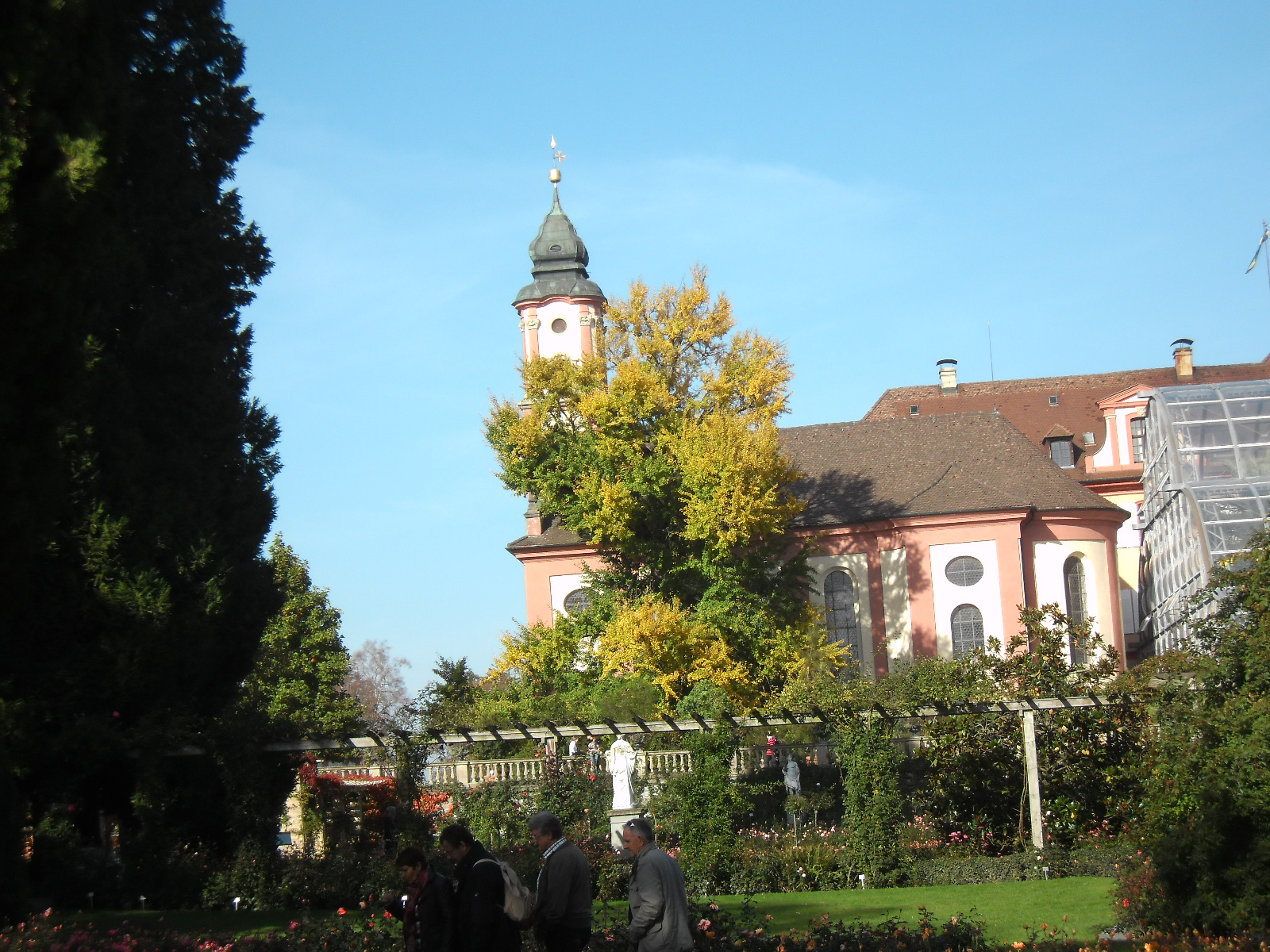 Deutschland
Photo: Ingrid Lenk
Deutschland
Photo: Ingrid Lenk
Key facts on the topic
- Around 40 percent of the state’s area is forested; the Black Forest, Swabian Forest and Odenwald shape the landscape.
- Baden-Württemberg’s seven nature parks cover around one third of the state’s area.
- At 1,493 metres, Feldberg in the southern Black Forest is the highest elevation in the state.
- Baden-Württemberg has 56 spas and health resorts; spa tourism is particularly well established in the Black Forest.
- The UNESCO World Heritage Site “Caves and Ice Age Art in the Swabian Jura” was added to the World Heritage List in 2017.
- The Rhine flows through the state for 437 kilometres, while the Neckar flows through almost its entire length.
- The Danube rises near Donaueschingen at the confluence of the Brigach and Breg.
Landscape, Nature Parks and Health Services
For nature-oriented travel planning, Baden-Württemberg offers several different landscapes. Large contiguous forest areas are found in the Black Forest, Swabian Forest and Odenwald. Feldberg provides a clear high-altitude landmark, although this does not automatically mean that conditions are the same for all activities. Those who want to experience nature in a broader context will find an important focus in the seven nature parks: together, they cover around one third of the state’s area.
The Black Forest National Park is also one of Baden-Württemberg’s National Natural Landscapes. This classification is complemented by two biosphere areas and the seven nature parks. For a health-focused trip, 56 spas and health resorts are available throughout the state. Spa tourism is particularly well established in the Black Forest. Depending on your personal interests, you can therefore choose accommodation with a focus on nature and landscape experiences or on a health resort.
Water landscapes provide another framework for orientation. The Rhine, which is 1,233 kilometres long, crosses Baden-Württemberg for 437 kilometres. The 367-kilometre-long Neckar flows through the state for almost its entire length. At the source of the Danube near Donaueschingen, the Brigach and Breg meet. These rivers illustrate the state’s geographical diversity, but they do not replace a specific check of routes, access points or current local services.
Culture between Ice Age Art and Monastic Complexes
The Swabian Jura is an important cultural region for visitors interested in early human history. Its caves are the source of the Venus of Hohle Fels, the Lion Man from Hohlenstein-Stadel and the oldest flutes known to date anywhere in the world. Finds from the caves and Ice Age art are displayed at the Landesmuseum Württemberg in Stuttgart, the Museum of Prehistory in Blaubeuren, the Ulm Museum and the Museum of the University of Tübingen.
Medieval and early modern structures also provide distinctive points of interest. Founded in 1147, Maulbronn Monastery is considered the most complete and best-preserved medieval monastic complex north of the Alps. Reichenau Monastic Island preserves an ensemble of three medieval churches with surviving elements of Carolingian, Ottonian and Salian architecture. Lichtenstein Castle is known as a romantic historic castle and as the “fairy-tale castle of Württemberg.” Weikersheim Palace and Gardens form a Renaissance palace ensemble with an impressive Knights’ Hall and an almost completely preserved interior.
With around 1,300 museums, including approximately 660 in rural areas, Baden-Württemberg also offers numerous cultural points of interest. The tourism offering is organised around the key themes of nature, culture, enjoyment and health.
Regional Orientation
For further regional orientation, you can consider the areas Tübingen, Tuttlingen District, Waldshut, Zollernalb District, Ulm, Hohenlohe, Lake Constance, Neckar-Odenwald District, Alb-Donau District, Biberach, Breisgau-Hochschwarzwald, Calw, Emmendingen, Enz District, Esslingen, Freudenstadt District, Göppingen, Heidenheim, Karlsruhe, Lörrach, Ortenau District, Ostalb District, Rastatt, Ravensburg, Rems-Murr District, Reutlingen, Rhine-Neckar District, Rottweil, Schwäbisch Hall, Black Forest-Baar District and Sigmaringen individually. This allows you to tailor your accommodation search to your trip’s desired focus.
FAQ
How much forest is there in Baden-Württemberg?
Around 40 percent of the state’s area is forested. The Black Forest, Swabian Forest and Odenwald are among the defining forest landscapes.
Which natural areas are part of the National Natural Landscapes?
These include the Black Forest National Park, two biosphere areas and seven nature parks. The nature parks cover around one third of the state’s area.
Where is the highest elevation in the state?
Feldberg is located in the southern Black Forest and reaches an elevation of 1,493 metres.
Which cultural destinations are associated with the Swabian Jura?
The Caves and Ice Age Art in the Swabian Jura have been part of the UNESCO World Heritage since 2017. The region is associated, among other things, with the Venus of Hohle Fels, the Lion Man and the oldest flutes known to date.
Which services define Baden-Württemberg as a health destination?
The state has 56 spas and health resorts. Spa tourism is particularly well established in the Black Forest.
Which rivers can you take into account when planning your region?
The Rhine flows through Baden-Württemberg for 437 kilometres, while the Neckar flows through almost its entire length. The Danube rises near Donaueschingen at the confluence of the Brigach and Breg.
For the overarching travel overview: Germany.
