
Biberach: Culture, History and Nature
Accommodation in Biberach
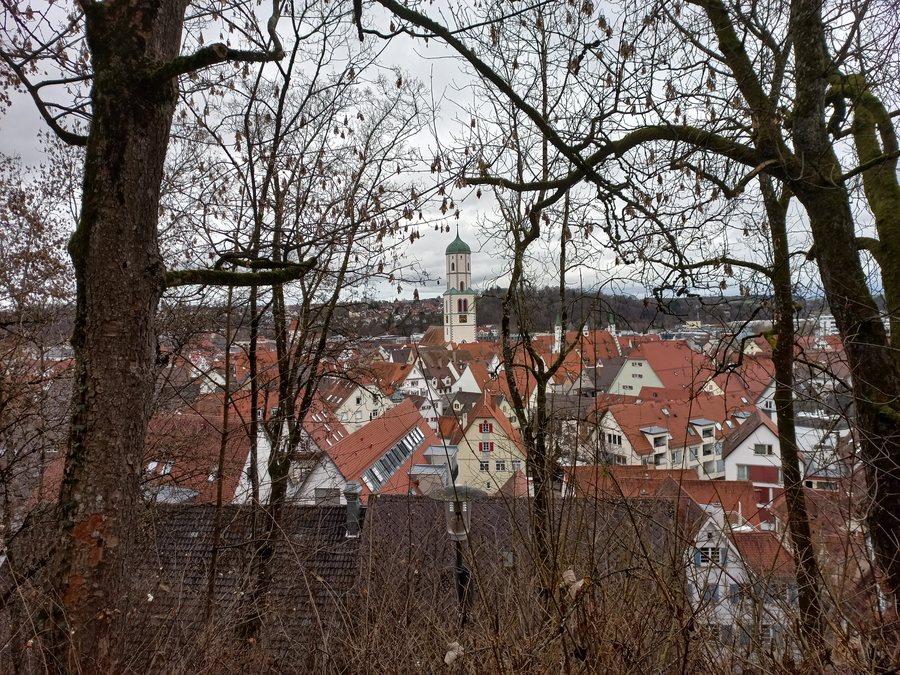
If you are looking for accommodation in Biberach, you can plan your stay around culture, history and nature. The open-air museum, pilgrimage church, Wobbling Forest and planetarium offer different points of interest. First consider whether historic buildings, landscapes, pilgrimage history or multimedia star shows should shape your trip.
Open-air museum and shared life
The Upper Swabian Museum Village of Kürnbach conveys six centuries of history. More than 30 historic buildings offer insights into everyday life in times gone by. The broad historical span and the variety of buildings make the museum village a destination for anyone interested in historic ways of life. These individual glimpses of everyday life are set within a history spanning several centuries.
The Museum of the History of Christians and Jews in Laupheim focuses on a different aspect of history: it explores three centuries of shared life among Christian and Jewish residents. By comparison, Kürnbach looks at everyday life in times gone by, while the Laupheim museum puts the coexistence of two religious communities at its heart.
Nature, architecture and pilgrimage routes
The Wobbling Forest lies on the outskirts of Bad Buchau, right next to the spa gardens, and is open to the public. The Federsee near Bad Buchau is considered the richest bog in Europe in terms of archaeological finds. Together, these two places offer different natural attractions: the freely accessible Wobbling Forest and the finds for which the Federsee is known.
The Steinhausen pilgrimage church was built by Dominikus Zimmermann and his brother Johann Baptist Zimmermann from 1728 to 1731. Steinhausen is also on the Way of St. James. This route runs from Nuremberg via Nördlingen, Ulm and Biberach, continuing to Bad Waldsee, Weingarten, Einsiedeln and Le Puy, and on to Santiago in Spain. Steinhausen therefore brings together church architecture and a pilgrimage route as two distinct historical themes.
At Schussenried Monastery, the magnificent library hall is part of the Baroque convent building. It is considered one of the most beautiful library halls in southern Germany. For those interested in architecture, it is not just the monastery as a whole that is worth seeing, but especially the hall within the convent building.
Star shows and history along the way
The planetarium presents multimedia star shows about astronomy and space travel, with topics changing every quarter. If you plan to attend, check the current dates and topics before your visit. The regular rotation means the shows’ focus varies throughout the year.
The Mönchsrother Path follows the tracks of the old monastic settlement; its history is presented on 24 information boards. The historical subject unfolds along the path over several stops, while the museum and library hall offer other ways to explore history and architectural heritage.
Choose accommodation to suit your interests
The destinations differ in their subject matter and in how they present history or landscape. Decide which ones matter to your stay, then look for suitable accommodation. This way, planning starts with your interests without assuming that one particular focus is right for every trip.
Discover more destinations: Laupheim, Göppingen, Alb-Donau district, Heidenheim, Waldshut, Lake Constance, Zollernalb district, Schwäbisch Hall.
See the broader travel overview: Baden-Württemberg.
Compare hotels and holiday rentals in Biberach by price and availability for your travel dates.
Advertisement · We may receive a commission if you book.
