
Avalanche Snow and Snowpack Structure: What Matters Off-Piste
Away from secured pistes, the snowpack can consist of several layers with different properties. New snow, wind, temperature changes and older layers all affect how the snowpack develops. Making a safe decision therefore requires up-to-date regional information, experience and appropriate training. Looking at the surface alone is not enough.
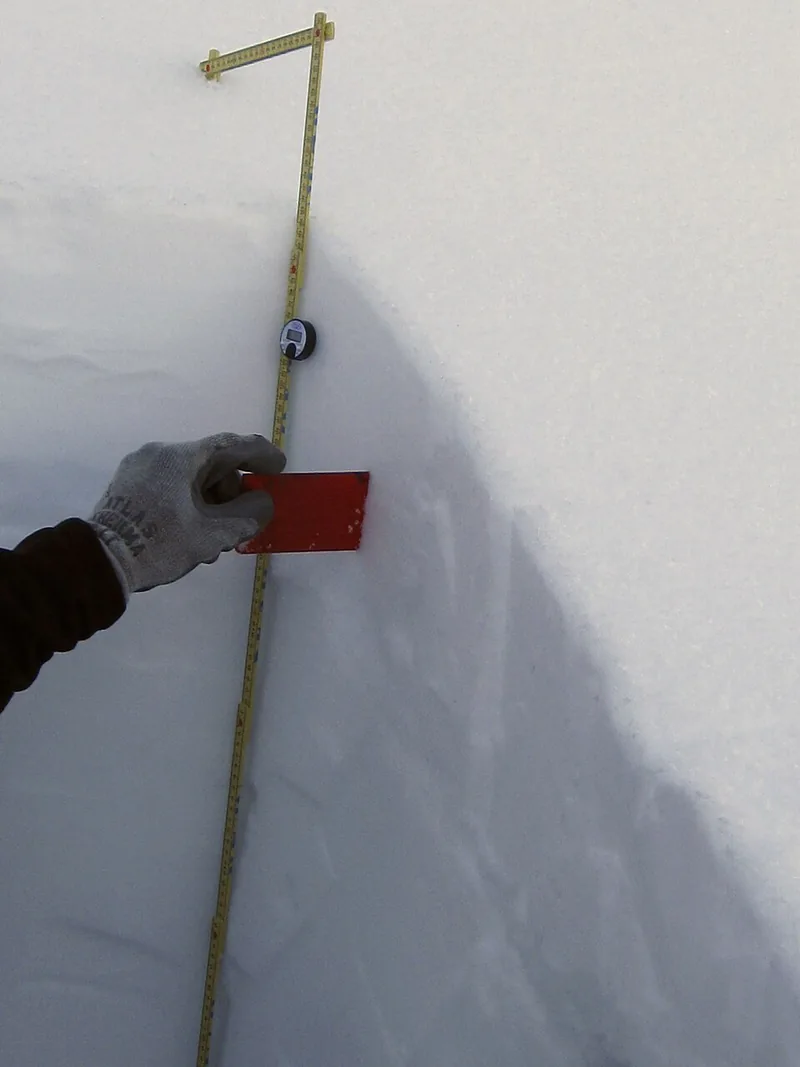 Schneeschichten und Schneeeigenschaften werden in einem Schneeprofil für die Lawinenbeurteilung untersucht.
Photo: Ruth Hartnup from Vancouver, Canada
Schneeschichten und Schneeeigenschaften werden in einem Schneeprofil für die Lawinenbeurteilung untersucht.
Photo: Ruth Hartnup from Vancouver, Canada
Key facts
- A snowpack consists of layers that change over time and with the weather.
- Weak layers can affect the stability of the snowpack.
- New snow, wind and temperature changes can alter conditions in the terrain.
- Avalanche danger varies by region and altitude and changes over time; it cannot be determined from a general statement.
- Checking the current avalanche bulletin and local warnings is part of preparing for a tour.
- Secured pistes and unsecured terrain do not present the same level of risk.
- If you lack training or are unsure how to assess conditions, do not undertake a tour in unsecured terrain on your own.
Why snowpack structure matters
Snow does not remain unchanged after it falls. Temperature, wind and moisture alter the individual layers and the bonds between them. The SLF explains the basics of snow and provides information on avalanches and avalanche accidents. This expert information helps build understanding, but does not replace an on-site assessment.
A visible, unbroken snow surface reveals little about the layers beneath it. Older or weaker layers may lie below a more recent one. Conditions can also vary within the same area. For a specific tour, you therefore need to consider the region, altitude, terrain, weather developments and current danger level together.
Check current warnings before making any decisions
Avalanche bulletins provide information for a specific time and region. Before setting out, check the avalanche bulletin for your destination and any local advisories. Pay attention to the period of validity, region, altitude ranges and the avalanche-prone locations described in the bulletin. Outdated reports or readings from another valley are not a reliable basis for a current decision.
Preparation also involves the route and the group. Knowing your way around a ski resort helps you understand the boundary between marked pistes and unsecured terrain. The piste rules apply to behavior on secured runs; off-piste, additional knowledge, equipment and an independent assessment of the hazards are required. A ski school or a qualified mountain guide can help with training and planning.
Do not overestimate visible signs
Cracks, fresh wind-drifted snow, noises and other observations can provide important clues. However, a single sign does not mean that all danger has passed or that it is automatically safe to proceed. What matters is the overall situation: weather, snowpack, terrain, route and current regional warnings.
For a regular day on the pistes, piste safety, the FIS rules on the pistes and what to do in a skiing accident remain important basics. In the event of an accident or immediate danger, follow local emergency procedures and get help. The ski patrol in the resort can explain which local services are available.
Plan responsibly off-piste
A tour in unsecured terrain should only be undertaken with adequate training, suitable safety equipment, a realistic route plan and a group that can make decisions together. Check weather and avalanche information just before setting out, and adjust your plans if conditions change. If in doubt, it is responsible to stay in the secured area or choose a qualified guide.
Even understanding a ski resort does not automatically mean you can assess unsecured terrain safely. Information on piste types and difficulty levels helps you find your way on marked runs, but it is not avalanche-safety training.
FAQs about avalanche snow and snowpack structure
Why is snowpack structure important?
Because the snowpack can consist of layers with different properties. Weather and time change these layers and the bonds between them, affecting how conditions in the terrain should be assessed.
Is a look at the snow surface enough?
No. The surface does not reliably show the layers beneath it. To make a decision, you need to consider current warnings, weather, terrain, route and your own training together.
Where can I find the current avalanche conditions?
From the responsible regional avalanche warning service or in the current avalanche bulletin. The report must apply to your destination and the time you plan to be there.
Should secured pistes and unsecured terrain be assessed in the same way?
No. Secured pistes and unsecured terrain differ in their preparation requirements, warning systems and hazard assessment. Unsecured terrain requires additional knowledge and appropriate planning.
What should I do if I am unsure how to assess the conditions?
Call off the planned tour or stay in the secured area. Qualified training or guidance from an expert can help you assess risks realistically.
