
Spitzingsee–Tegernsee ski area: plan a ski holiday in Bavaria
The Spitzingsee–Tegernsee ski area is in Bavaria and combines winter sports with the holiday region around Lake Spitzingsee and Lake Tegernsee. When choosing your travel dates and accommodation, current operating information, snow conditions, weather and the specific route to the access point are more important than a general description of the area. Check all essential details again shortly before setting off.
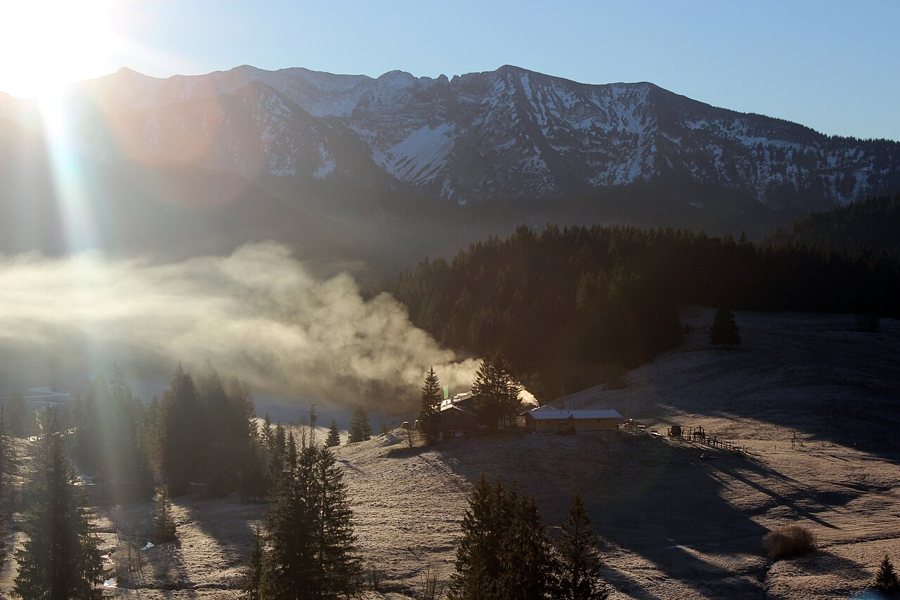 Skigebiet Spitzingsee–Tegernsee bei Schliersee in Bayern
Photo: Tobias Markmeyer
Skigebiet Spitzingsee–Tegernsee bei Schliersee in Bayern
Photo: Tobias Markmeyer
Key facts
The Spitzingsee–Tegernsee ski area is in Bavaria and combines winter sports with the holiday region around Lake Spitzingsee and Lake Tegernsee. For planning your day, the lift status, open pistes, snow, weather, access and suitable accommodation are all key factors. Check the latest information before travelling and on the day you ski.
Getting ready for a day on the slopes at Spitzingsee
Think about who will be skiing, their ability levels and how many breaks are realistic. Beginners need an easy, open run and an easy-to-find meeting point. More experienced skiers can plan their day differently, but should also take visibility, snow conditions and their energy levels into account. A trail map helps you avoid underestimating the time needed to get between areas or return to your starting point.
For lifts, pistes, operations and services, refer to the official information from Alpenbahnen Spitzingsee. Openings and access may depend on the weather, snow conditions, technical issues and safety decisions. Also check notices on site. A listing on a travel portal or a past experience does not confirm conditions on the day.
Compare accommodation and travel options in the region
The distance between your accommodation and the ski area is only one part of the planning. What matters is how you get to the access point, where you can park and what the route is like in ski boots, with a helmet and luggage. If travelling by public transport, include transfers and the final leg in your schedule. If driving, traffic and winter road conditions may delay your start.
When comparing accommodation and meals, check for a drying room, storage space, meal times, parking and any extra charges. Families need short distances and a quiet place to unwind after skiing. The steps in planning a ski holiday can help you coordinate travel dates, accommodation, transport, tickets and equipment.
Tickets, rentals and lessons
Before buying, check validity, collection arrangements, fare categories, discounts and the terms that apply if operations change. A ski pass and ski holiday budget should include lessons, rental, travel, parking and meals as well as the ticket. Check current prices and terms with the relevant provider rather than relying on a general estimate.
A ski rental can be useful if you want to reduce the amount of luggage you need to bring. Skis, boots and helmet must fit properly; a qualified professional should adjust the bindings. Beginners taking ski lessons should discuss the meeting point, ability group, duration and possible weather-related changes. Avoid planning a long run after the lesson if the group is still gaining experience.
Snow, weather and choosing safe runs
Snow quality, temperature, wind, visibility and time of day all affect skiing conditions. Read the latest updates and choose a run that suits your ability to control your speed and stop. Adjust your plans in fog, icy conditions, heavy snowfall or strong winds. Closures and diversions must be followed; do not bypass them.
The information on snow reliability explains why conditions cannot be guaranteed for every day. Keep enough energy in reserve for the return journey and a warm break. If your planned access point or a run is unavailable, a rest day or alternative activity is a better choice than taking a risky detour.
Families and groups on the mountain
Before setting off, agree on an easy-to-see meeting point and what to do if someone is slower or needs a break. Adults should not simply follow the fastest person in the group. For a ski holiday with children, short stretches, dry clothes, drinks and an early finish to the day all help.
Discuss slope safety with everyone in your group. Keep your distance, look out for others, maintain a controlled speed and enter runs carefully, whatever your experience level. In the event of an accident, secure the area from a safe distance, report your location using the local procedure and follow staff instructions.
FAQs about the Spitzingsee–Tegernsee ski area
Which information needs to be up to date?
Lift operations, open pistes, snow conditions, weather, tickets and access. These details may change, so check them directly with the operator before travelling and on the day you ski.
How should I plan my accommodation?
Compare the actual route to the access point, transport options, parking, drying facilities, meal times and extra charges. The best location depends on your daily schedule and group.
What should I do in bad weather?
Cover less ground, slow down, stick to open areas and take breaks. End your ski day if visibility is poor, winds are strong or you are tired.
Is the ski area suitable for families?
Families at Spitzingsee should plan short stretches, an easy-to-see meeting point, dry clothes, drinks and an early finish to the day. Choose runs to suit the children’s ages and abilities, visibility and energy levels.
What should I allow for when planning a day of skiing?
Allow time for travel, parking or transfers, your ticket, equipment, breaks and the return journey. Check meeting points, opening times and any possible changes due to weather or operations in advance.
