
Konnersreuth: Resl history and hiking trails
Accommodation in Konnersreuth
Konnersreuth can be explored through two interests: the local history associated with Therese Neumann and trails through the forest and the Stiftland countryside. This distinction can help when planning a stay: cultural history sits alongside opportunities to experience the forest or go hiking. One specific point of reference is the Resl House; the eleven-kilometre circular trail leads from Konnersreuth to the pilgrimage church of the Holy Trinity at Kappl.
Local History and the Resl Garden
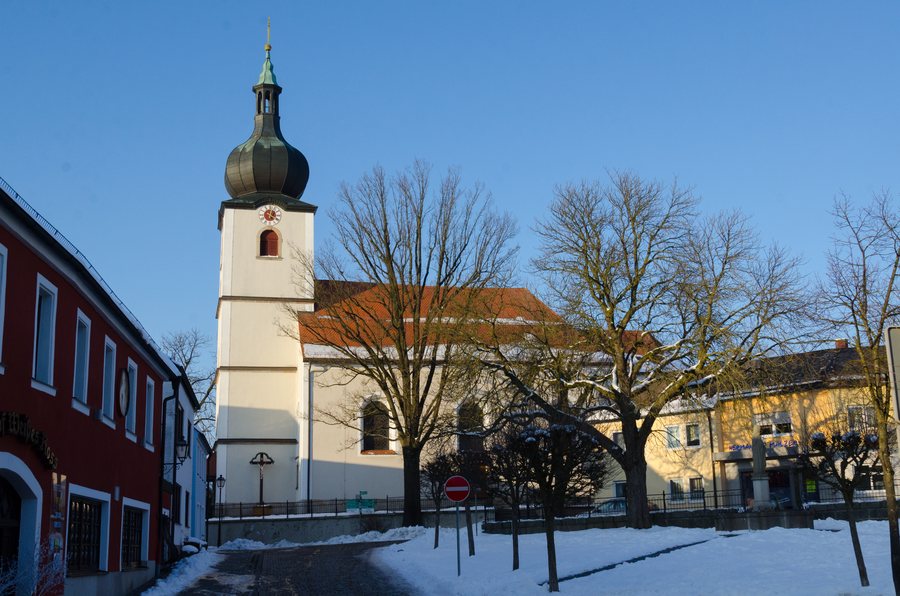
The Resl House in Konnersreuth is the birthplace of Therese Neumann; she was born there on 8 April 1898. This biographical connection anchors her story to a specific place. The present-day parish church adds an architectural perspective: it was built from 1775 to 1782 and is a fine example of late picturesque Rococo. The birthplace, construction period and stylistic designation each highlight different aspects—on the one hand, the connection to Therese Neumann and, on the other, the church’s architectural history. In the Resl Garden, visitors can learn about the Konnersreuth Resl, alongside the Therese Neumann Museum. Flowers, plants and the garden’s eventful history broaden the perspective beyond the person herself. The local history can therefore be explored through several themes: biography, architecture, and the history of plants and gardens.
Forest Reflection and Circular Hike
The Forest Reflection Trail on the Konnsberg near Konnersreuth invites everyone to see and walk the path of God’s creation and enjoy the beauty of the forest. Nature and contemplation are the trail’s main themes. At the Forest Reflection Trail, there is a pavilion with information about the trail, Resl of Konnersreuth and Waldsassen Monastery. This connects the forest theme with insights into Resl’s story and a link to the monastery.
Another hiking option is the eleven-kilometre circular trail. It starts in Konnersreuth, passes through the Stiftland countryside to the pilgrimage church of the Holy Trinity at Kappl, and reaches a Baroque gem with a distinctive circular form and three majestic towers. The two trails therefore have different focuses: the Forest Reflection Trail invites visitors to engage with the forest and contemplation; the circular trail is defined by its length and named church destination. If you plan to hike the circular trail, it is advisable to check the route conditions before setting out, as they may change.
Culture and Regional Themes in Tirschenreuth
In the wider travel destination of Tirschenreuth, the MuseumsQuartier combines the Upper Palatinate Fishing Museum with six other specialist exhibitions in a former monastery. Visitors can explore almost 1,000 years of fishing and fish-farming history and see native fish in four large aquariums. The MuseumsQuartier regularly hosts special exhibitions, lectures, readings and concerts. As the programme and individual event dates may change, check the latest information if an event is important to your plans.
The Fischhofpark in Tirschenreuth also has historical points of interest: at its centre are the historic Fischhof Bridge and the Fischhof, which houses the district court. As for local food and drink, the district of Tirschenreuth is best known for Zoigl, the cult beer of the Upper Palatinate Forest. The district is also known for carp from the pond landscapes of the “Land of 1,000 Ponds.” The museum, architecture and regional products thus offer different ways to explore Tirschenreuth.
Discover more destinations: Bärnau, Neusorg, Erbendorf, Waldsassen, Neualbenreuth, Friedenfels, Plößberg, Fuchsmühl.
Go to the main travel overview: Tirschenreuth.

