
Pyrenees-Atlantiques: Hotels and accommodations
Accommodation in Pyrenees-Atlantiques
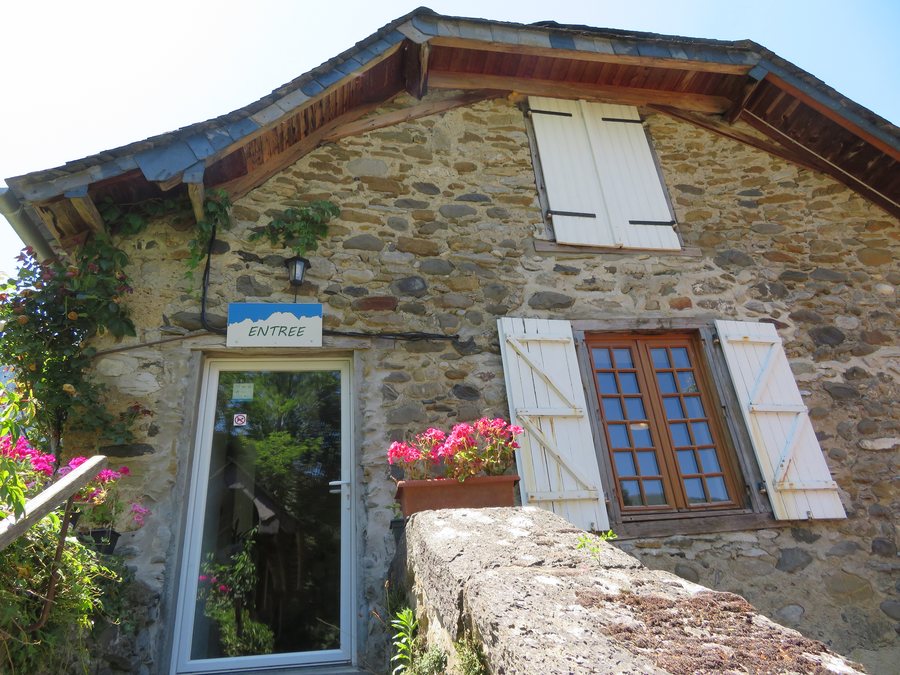 File:Bedous, le Moulin Bladé (Pyrénées-Atlantiques, région Nouvelle-Aquitaine, France).jpg
Photo: Juan Emilio Prades Bel via Source, CC BY 4.0
File:Bedous, le Moulin Bladé (Pyrénées-Atlantiques, région Nouvelle-Aquitaine, France).jpg
Photo: Juan Emilio Prades Bel via Source, CC BY 4.0
The Parc national des Pyrénées extends across six valleys in the Pyrénées-Atlantiques and Hautes-Pyrénées départements. It is characterised by diverse natural, cultural and landscape sites, as well as by its flora, fauna and endemic species.
Anyone wishing to book a hotel in Pyrénées-Atlantiques will find the right destination setting here.
Nature
The Espaces naturels sensibles designated at département level in Pyrénées-Atlantiques are intended to be open to the public for cultural, scientific or landscape-interpretation purposes. They must be places where visitors can discover natural riches.
Trails and landscapes
The signposted Sentier de Camille is a 104-kilometre circular route with six stages, one of which is at the Refuge d’Arlet in the Vallée d’Aspe. A challenging loop from Gourette leads on a high-altitude day hike to the four lakes of Louesque, Uzious, Lavedan and Anglas.
The Vélosud route runs for 188 kilometres through Pyrénées-Atlantiques and follows the Gave de Pau and the Gaves réunis to the Adour. Its beginning leads for around ten kilometres through the landscape along the Gave de Pau, on paths dedicated to walking and cycling. The Pau section is accessible via the A64 motorway and by TER; bicycles are permitted on the rail network.
On the Pau–Lourdes route, the bastide of Nay serves as a heritage stop. A branch of the Vélosud route leads from the opposite bank to the Base de loisirs de Baudreix; the round trip is approximately 500 metres. There is a picnic area, camping, swimming facilities and a restaurant. Lac de Fabrèges offers stand-up paddleboarding and pedal-boat outings.
Cuisine
Ossau-Iraty AOP is made from the whole milk of three local sheep breeds: Manech Tête Noire, Manech Tête Rousse and Basco-Béarnaise. The production area extends from the Côte Basque to Haut Béarn and includes Labourd, Basse Navarre, Soule, Béarn des gaves, Ossau, Aspe and Barétous.
The Route du Fromage Ossau-Iraty comprises 129 stages in the Basque Country and Béarn and can be explored by car, bicycle or on foot.
Culture
Nearly 280 archaeological sites have been inventoried, particularly in the Vallée d’Aspe and the Vallée d’Ossau. The archaeological heritage of the Parc national des Pyrénées includes Bious-Artigues, Anéou, Troumouse, Liantran and the Maspêtre site in Borce in the Vallée d’Aspe.
In Pyrénées-Atlantiques, Basque and Béarn identities merge with Pyrenean agro-pastoral traditions as well as Spanish and Atlantic influences. Local festivals and village celebrations showcase Basque and Béarn languages, music, dances, traditional costumes, bandas and folklore groups.
Five villages in Pyrénées-Atlantiques bear the Plus beaux villages de France label: Navarrenx, Ainhoa, La Bastide-Clairence, Saint-Jean-Pied-de-Port and Sare.
The département’s pilgrimage heritage includes the Cathédrale Sainte-Marie de Bayonne, the Porte Saint Jacques in Saint-Jean-Pied-de-Port, the Romanesque church of L’Hôpital-Saint-Blaise and the Cathédrale Sainte-Marie d’Oloron. These sites were listed in 1998 under the UNESCO World Heritage entry Chemins de Saint-Jacques-de-Compostelle.
Cultural sites for visitors include Château d’Abbadia, Hôtel du Palais, Château de Pau, Villa Arnaga and Château Urtubie. In Béarn and the Basque Country, 15 bastides are highlighted by Bastides 64.
The destination offers museums, Terra-Aventura treasure hunts and guided street-art tours in Bayonne. The département also features English villas with exotic influences, Art Deco buildings, Basque Etxe and Béarn architecture, as well as mountain villages situated on hillsides.
To the location pages for this area: Gourette, Arette, Eaux-Bonnes, Lées-Athas, Laruns, Urdos.
To the main travel overview: Aquitaine.

.jpg)