
Remptendorf: Nature Park and Ziemestal Bridge
Accommodation in Remptendorf
Remptendorf is a municipality with an area of around 100 square kilometers, situated in the heart of the Thuringian Slate Mountains/Upper Saale Nature Park. The forested hiking landscape, viewpoints, and selected cultural and technical attractions are the main considerations when choosing a place to stay.
Hiking amid panoramas and history
In the forested area around Remptendorf, hiking trails lead to viewpoints offering sweeping views across the mountains and valleys of the Thuringian Slate Mountains. Attentive hikers may also spot boundary stones from times gone by. These two features invite different kinds of observation: the views open up vistas across the low mountain range, while the boundary stones reveal historical traces on a smaller scale. Nature and local history come together in this hiking landscape.
The Ziemestal Bridge: structure and railway line
The Ziemestal Bridge is located in the municipality of Remptendorf. It is a 115-meter-long, 32-meter-high viaduct on the Triptis–Marxgrün railway line in Thuringia. The bridge was built between 1893 and 1895, has a single track, and is made entirely of steel. Its length and height describe its dimensions; its single track and all-steel construction describe its design. The access rule is essential when planning a visit: climbing or entering the Ziemestal Bridge and the railway line is strictly prohibited for unauthorized persons.
Church, park and minerals in Gahma
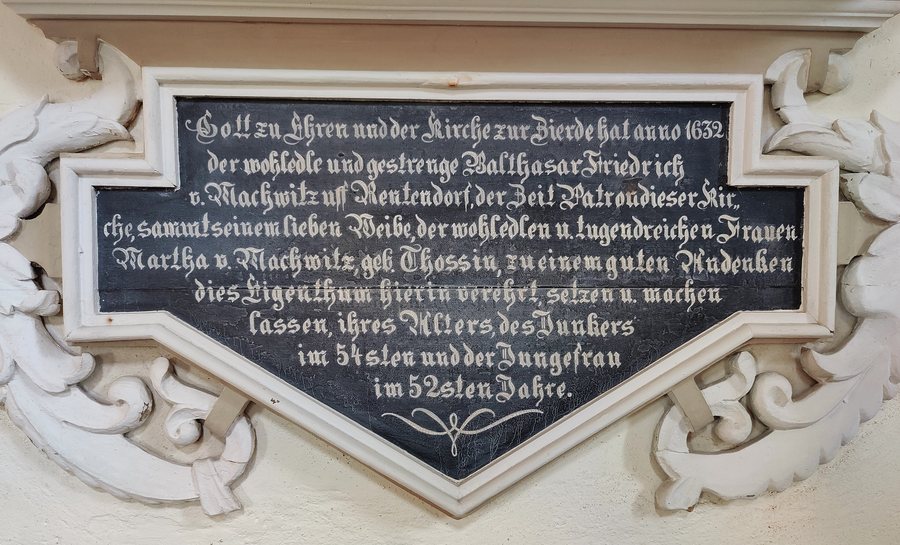
In Gahma, which is part of the municipality of Remptendorf, there is a fortified church that probably dates from the 12th century and is a listed building. A park invites visitors to take a stroll. Gahma is also home to a shop selling minerals, healing stones and jewelry, with an adjoining mineral museum. If you plan to visit the shop or museum, check the current opening hours in advance.
The wider Saale-Orla destination
The wider Saale-Orla destination places Remptendorf in a broader landscape and cultural context. The Saale, together with the Saale Cascade—around 80 kilometers long and dammed five times—forms Europe’s largest contiguous reservoir area, known as the Thuringian Sea; the Bleiloch Reservoir is Germany’s largest reservoir. At Schloß Burgk Museum, historic living and display rooms with valuable interiors sit alongside collections and exhibitions. The ex libris collection comprises more than 200,000 prints and is the museum’s largest specialist collection. Concerts and festivals are also held there; dates vary.
In Wurzbach, also within the wider Saale-Orla destination, more than 120 kilometers of signposted hiking trails invite visitors to explore the low mountain landscape. Wurzbach is home to Europe’s largest and most powerful steam engine, at the Heinrichshütte foundry. As an interactive, hands-on museum, Heinrichshütte welcomes families with children, as well as children from daycare centers and schools.
Discover more destinations: Burglemnitz, Gleima, Wurzbach, Bad Lobenstein, Gahma, Neundorf, Saaldorf, Altengesees.
Back to the broader travel overview: Saale-Orla.

