
Schlat – History and Regional Surroundings
Accommodation in Schlat
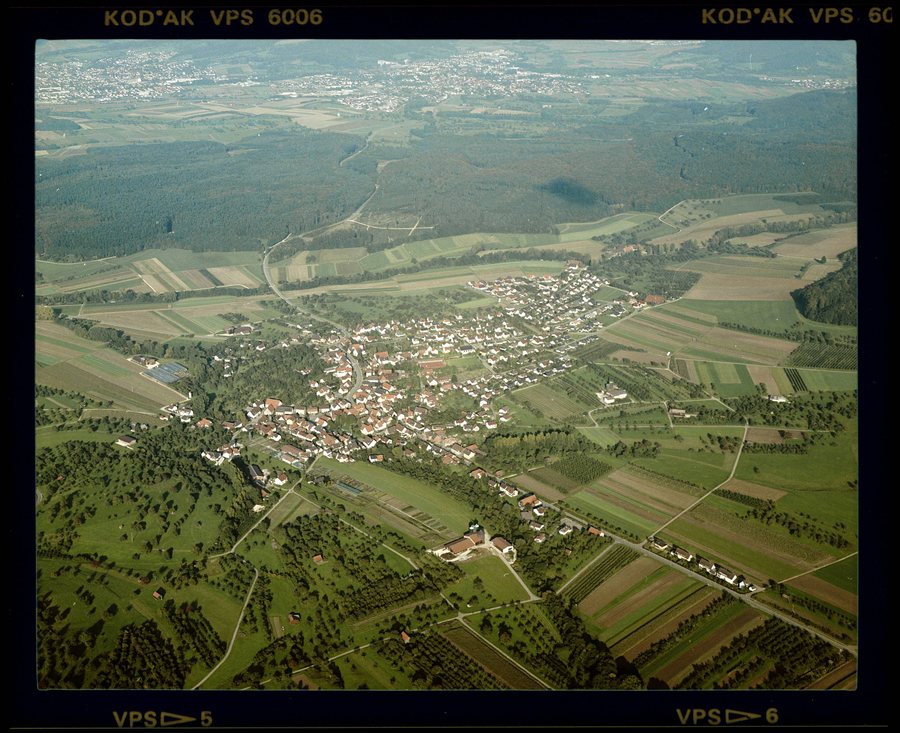
Schlat is located in Baden-Württemberg, Germany. Schlat is considered a village centered around the historic St. Andrew’s Church. If you compare accommodation in Schlat, you can consider travel dates, room category, and cancellation conditions as separate details on the respective offer pages. This keeps the practical terms of each option separate from the classification of the place and its history. When making a selection, these details can be reviewed one after another: the travel dates define the time frame, the room category represents the chosen form of accommodation, and the cancellation conditions constitute a separate point to check. This prevents different aspects from being combined into a single blanket assessment.
History
The Lords of Schlat were a local ruling family from 1302 to 1444. They were based in a vanished castle near the Schlater Bach on the southern edge of the village. The stream and the location on the southern edge of the village are therefore among the more specifically defined reference points in this local history, while the castle itself no longer exists. The vanished castle should not be equated with the castle above Geislingen an der Steige, which is still recognizable as a ruin; the two references belong to different historical sites. For the historical classification, both the period associated with the family and the different states of preservation of the two castles are therefore significant. The Schlat seat has vanished, while the castle above Geislingen an der Steige remains recognizable as a ruin.
Schlat’s local historical surroundings are also connected with the Counts of Helfenstein. Their castle above Geislingen an der Steige remains recognizable as a ruin. The historical connection therefore extends beyond the immediate local history, but remains tied to the places mentioned and their respective spatial relationships.
Transport History
Schlat’s historical economic connections were strengthened by the Göppingen–Boll railway. The railway was built in 1926 with Schlat-Ursenwang station. After the Second World War, a regular bus service was additionally established. This sequence connects a specific railway construction project with a later addition through bus transport and places both developments in chronological order. The railway and bus service therefore represent two successive forms of transport development, without requiring their chronological order to be reversed. Schlat-Ursenwang station belongs to the railway connection mentioned, while the regular bus service is assigned to the transport history as a later addition. Thus, from a chronological perspective, the construction of the railway in 1926 and the establishment of bus transport after the Second World War remain recognizable as separate stages of development.
Surrounding Area
The area surrounding Schlat includes Scharfenberg Ruin, Hohenrechberg, Hohenrechberg Castle, Laundry Castle, and Weidstetten.
Wider Regional Area
The wider regional area around Schlat includes the Gutenberger Caves, Zwerenberg, and Buch.
For the overarching travel overview: Göppingen.
More Destinations
More places under the same destination:

