
Kašperské Hory: Culture, Nature and History
Accommodation in Kašperské Hory
The Kašperské Hory branch of the historic Golden Trail was its youngest branch. It was established in the mid-14th century on the orders of Emperor Charles IV and led from Kašperské Hory via Kvilda and Freyung to Passau. The Czech section of the historic Golden Trail is equipped with information panels. Visitors who wish to explore the town thematically can consider the history of the route, sacred architecture, museum culture and the natural landscape in any order.
An additional local page for Podlesi is also available.
History
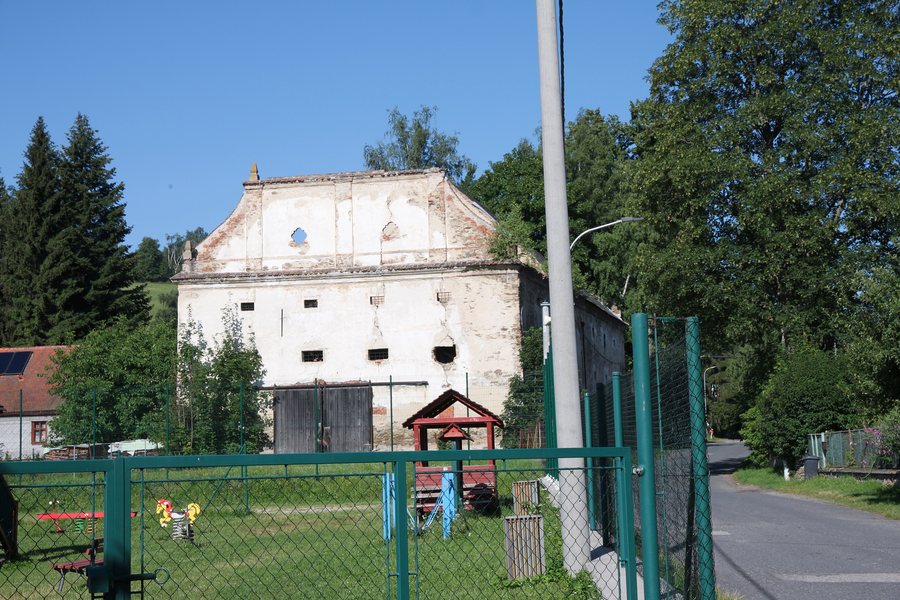
The historic gold-ore processing site in Kašperské Hory was established after discoveries made around the turn of the 13th and 14th centuries. It was used for roasting gold ore, which could then be transported onward to crushing facilities and gold mills. The connection between the history of the discoveries, processing and onward transport can therefore still be understood at a specific location.
Culture
The Šumava Museum displays a collection of Late Gothic sculptures dating from around the turn of the 15th and 16th centuries. It also has a permanent natural-history exhibition covering zoology, botany, geology and nature conservation. The historical exhibition at the Šumava Museum also includes evidence of gold mining and gold processing in the Šumava region.
The Church of St Margaret is a three-nave Gothic basilica built in the mid-14th century, with a Baroque interior from the 18th century. Another sacred site is the Church of St Nicholas, located 1.5 km from the town centre, which contains Early Gothic frescoes and a painted beam ceiling dating from 1700.
The local exhibition culture also includes the Kašperské Hory Cabinet Nativity Scene. It was hand-carved and painted by local woodcarvers and is displayed year-round in the town hall exhibition room. This makes it possible to distinguish content accessible throughout the year from seasonal offerings when planning the timing of a visit.
The cultural sites each focus on different aspects: the Šumava Museum brings together art history, natural history and evidence of gold mining. The two churches complement this exhibition perspective with the history of their architecture and furnishings, while the Cabinet Nativity Scene offers a distinct insight into local woodcarving and exhibition culture. This makes it possible to clearly distinguish the themes of art, sacred history, gold processing and craftsmanship.
Nature
The Kašperské Hory Information Centre introduces visitors to nature in Šumava National Park and the Šumava Protected Landscape Area. Its permanent exhibition is dedicated to water in the Šumava landscape and covers peat bogs, wetlands, glacial lakes and watercourses, as well as their importance for water retention in the landscape.
When choosing accommodation in Kašperské Hory, you can compare your travel dates, room category and cancellation conditions with your own interests in museums, churches, the history of gold and Šumava nature.
During the summer season, the Kašperské Hory Information Centre mainly organises excursions focused on botany and birdwatching.
For the broader travel overview: Klatovy District.
More destinations
More places within the same destination:

.jpg)