
Kluknava: Roháčka, educational trail and historic sites
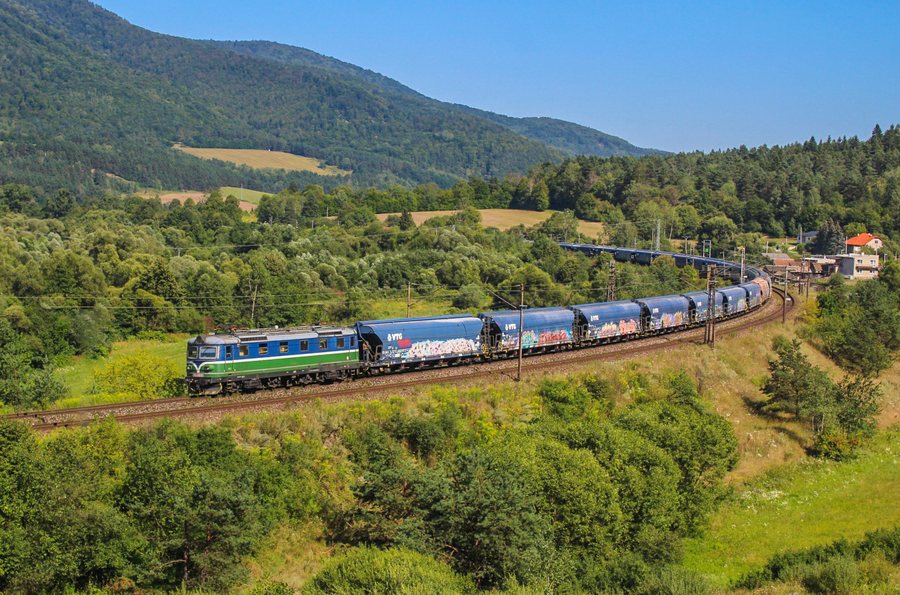 File:Retrack 182.053 Nataša - Pn 51724 - Kluknava - Slovakia - 13.08.2023.jpg
Photo: Viktor Šesták via Wikimedia Commons, CC BY 2.0
File:Retrack 182.053 Nataša - Pn 51724 - Kluknava - Slovakia - 13.08.2023.jpg
Photo: Viktor Šesták via Wikimedia Commons, CC BY 2.0
Kluknava brings together mountain scenery, the history of craftsmanship and historic buildings. At 1,028.5 metres above sea level, Roháčka is the highest peak in the Čierna hora mountain range. An educational trail and several notable sites also showcase the history and surroundings of the municipality.
Nature and trails
The Green Point viewing tower is located above Kluknava and is about a 1.5-hour walk from the village. Green Point could be climbed year-round, including during the evening and night hours. A 35-metre-high viewing tower called Green Point was planned for Kluknava until October 2023. The “Osobnosti a história Kluknavy” educational trail is an approximately 7.5-kilometre circular route that runs mainly through natural surroundings. The trail’s information boards also contain English-language texts.
Culture
The Shoe Museum exhibition is housed in the listed Dom služobníctva s hospodárstvom near the centre of Kluknava. The Shoe Museum displays footwear used from prehistoric times to the present day. The Shoe Museum also includes Kluknavská chyža, with a shoemaker’s room and workshop, historic tools, shoes and figures dressed in traditional historical clothing. This means that the focus is not only on individual exhibits, but also on the space in which shoemaking is demonstrated.
The Chapel of Saint Anne stands in the forests near Kluknava. It remains a pilgrimage site, with worshippers visiting every year on the last Sunday in July. In the village, the Church of Saint Catherine of Alexandria was built in 1555 as an originally Protestant Renaissance church. It underwent extensive restoration in 2012–2013, during which its interior was modernised with new mosaics. The church continues to be used for religious purposes.
History
A covered wooden bridge over the Hornád River connects Kluknava with the settlement of Štefánska Huta. It is a technical monument and was built in 1832. In Štefánska Huta are the ruins of Europe’s first factory for the electrolytic production of copper; the factory was built in 1845–1848. In Kluknava itself, the water mill with a Francis turbine dates from 1910.
The Baroque manor house in Kluknava also reflects several historical periods. It is of Renaissance origin and dates from 1715–1720. The manor house belonged to the kluknavsko-iliašovská line of the Csáky family. Together with the church, the water mill and the buildings in Štefánska Huta, it forms a historical context encompassing different forms of religious, economic and aristocratic architecture.
The included services, the individual price components, and the booking and cancellation conditions are equally important. Also pay attention to the current wording of the offer and which services are expressly listed. This keeps the accommodation details separate from the attractions described.
For the next comparison with another location, go to Nalepkovo.
Return to the higher-level travel overview: Okres Gelnica.
Check prices, availability and amenities for your travel dates directly on Booking.com.
View accommodation and offersAdvertisement · Affiliate link to Booking.com
