
Bukowina Tatrzanska
Accommodation in Bukowina Tatrzanska
Bukowina Tatrzanska offers several different reasons to stay: ski lifts, thermal water experiences, and a rich culture of folklore and folk art. For winter, the main points of reference are the Olczań-SKI ski lift complex in the centre and the Rusiń-Ski ski station at Wierch Rusiński. The area also has Termy Bukovina, as well as cultural venues and events that give the town its distinctive character.
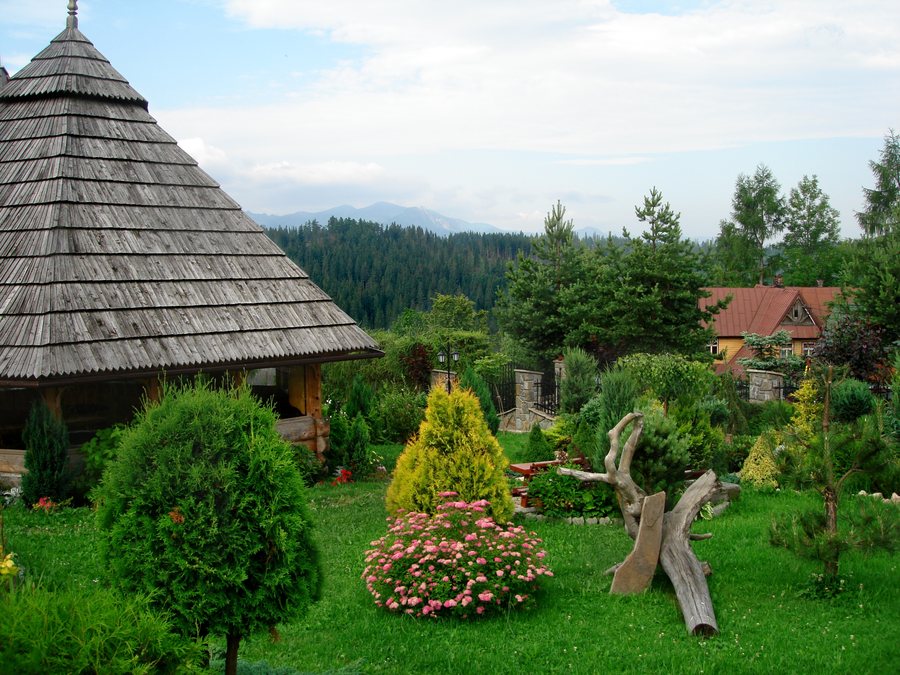 File:Bukowina Tatrzańska - Wierch Olczański, Poland - panoramio.jpg
Photo: MARELBU via Wikimedia Commons, CC BY 3.0
Ski lifts and views
Olczań-SKI is a ski lift complex with four lifts in the centre of Bukowina Tatrzanska. The number of lifts and the central location give you a specific starting point for getting a sense of the town’s winter offerings. Another named station is Rusiń-Ski at Wierch Rusiński. Rusiń-Ski is considered a ski area for the whole family. This means you can take two different points of reference into account when planning your trip, without treating the two offerings as identical.
Rusiń-Ski offers views of the Tatra Mountains, the Gorce Mountains and Babia Góra. This adds a scenic perspective to the ski offering: the view takes in several mountain ranges and extends beyond the individual location. Bukowina Tatrzanska also stretches across ridges known in Polish as “wierchy”. The term helps explain the area’s settlement landscape; here, it refers to the town’s ridges.
Thermal water and bathing facilities
Termy Bukovina offers indoor and outdoor pools, saunas, a spa and water slides. The water attractions are aimed at both adults and children. This means you can shape your stay around bathing and wellness, rather than focusing exclusively on the ski lifts.
The source of its thermal offering is also noteworthy: the thermal water at Termy Bukovina is drawn from a depth of 2,400 metres on the north-western slope of Wysoki Wierch. The precise depth and named slope pinpoint the water’s geographical location. For anyone interested in thermal attractions, this offers a specific detail beyond the description of the pools and saunas.
Wooden architecture and regional culture
Dom Ludowy is one of the largest wooden buildings in Poland. It is home to the Bukowiańska School of Endangered Professions, Folklore and Folk Art. Dom Ludowy therefore represents not only a distinctive architectural style, but also the study of traditional forms of expression and craft professions. Visitors interested in culture can take this connection into account when choosing the focus of their trip.
Sabałowe Bajania is also part of Bukowina Tatrzanska’s cultural identity. The first edition of the national competition took place in 1967. The competition features storytellers, instrumentalists and singers, as well as wedding witnesses and masters of ceremonies. This range shows that it encompasses not only music, but also storytelling traditions and roles in wedding celebrations. For visitors interested in folklore, the competition offers a specific cultural connection to the town.
More local profiles: Murzasichle, Bustryk, Jurgów, Małe Ciche, Białka Tatrzańska, Poronin, Biały Dunajec and Koscielisko.
For the broader travel overview: Tatra.

