
Castel del Piano: History, Landscape and Trails on Monte Amiata
Accommodation in Castel Del Piano
Historic Centre
The historic centre of Castel del Piano preserves narrow, paved streets, stone houses, loggias and small squares. The first official mention of Castel del Piano appears in documents from the Abbey of Monte Amiata dating from 890, under the name “Casale Plana”.
The Chiesa della Natività di Maria was built between the 17th and 19th centuries and has a Latin cross floor plan. The church contains works by Giuseppe Nicola Nasini as well as a historic 18th-century organ. Architecturally, the two churches differ in their floor plans: the Chiesa della Natività di Maria is shaped like a Latin cross, while the Chiesa Piccina has a single nave.
 File:58033 Castel del Piano, Province of Grosseto, Italy - panoramio.jpg
Photo: trolvag via Wikimedia Commons, CC BY-SA 3.0
File:58033 Castel del Piano, Province of Grosseto, Italy - panoramio.jpg
Photo: trolvag via Wikimedia Commons, CC BY-SA 3.0
Churches and Art
The Chiesa del Santissimo Sacramento, also known as the Chiesa Piccina, is a medieval single-nave church containing works by Francesco Nasini.
The Chiesa di San Leonardo dates from the 12th century and was restored in the Neo-Gothic style in 1915. The Chiesa di San Leonardo features 15th- and 16th-century frescoes as well as Renaissance details, including trachyte surrounds. The Chiesa della SS. Madonna delle Grazie houses a 15th-century depiction of the Madonna attributed to the Sienese painter Sano di Pietro.
Palazzo Nerucci is a 16th-century building that houses an art collection, including the Vegni Collection, donated in 1883. The Porta dell’Orologio forms part of Castel del Piano’s historic town walls and features a clock and a bell as distinctive elements. The Porta Pianese, also known as Porta Amiata or Porta Castiglionese, is a historic gate in Castel del Piano along the town’s old walls.
Festival and Local Products
The Palio delle Contrade di Castel del Piano takes place every year on 8 September and begins with a historical parade. The “Strada del Vino Montecucco e dai sapori dell’Amiata” also passes through Castel del Piano, offering visitors a route for discovering typical local products.
Plateau and Elevations
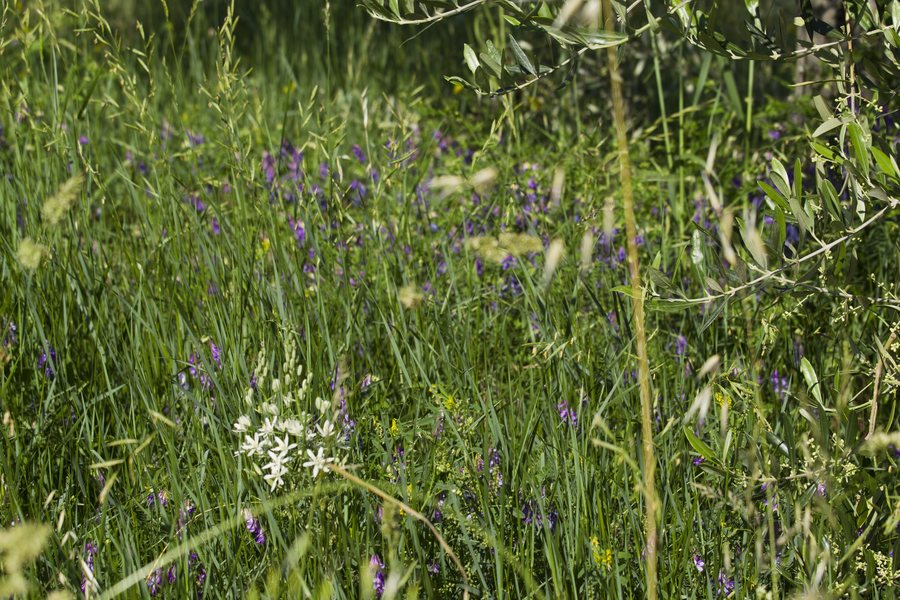
Castel del Piano lies on the edge of a plateau. Uphill there are chestnut and beech forests, while downhill there are olive groves, vineyards and fruit trees. The Prati delle Macinaie and the Prati della Contessa are located within the municipality of Castel del Piano at an altitude of approximately 1,300 to 1,400 metres.
Hiking Routes and Getting There
The 27-kilometre “Trekking dell’anello del Monte Amiata” hiking route can be started directly in Castel del Piano. Its total length provides a clear route framework for a day of hiking. When planning your own time, the total length can be taken into account as a factor affecting time and energy; planned breaks can be adjusted to this distance. Another route, “La salita delle Macinaie sul Monte Amiata”, also known as “Salita di Castel del Piano”, also begins in Castel del Piano. Castel del Piano can be reached by car or coach from Grosseto.
Further destinations: Montegiovi, Seggiano, Arcidosso and Santa Fiora.
More about Grosseto.

