
Pordenone: Ski Hotels, Art and History
Accommodation in Pordenone
Pordenone combines museums, historic buildings and venues with connections to rail services and the regional cycle network. The Museo Civico d’Arte is located in the Palazzo Ricchieri at Corso Vittorio Emanuele II No. 51 and displays panel and canvas paintings, drawings, frescoes, wooden sculptures, furniture, goldsmiths’ work and ceramics from the Middle Ages to the present day.
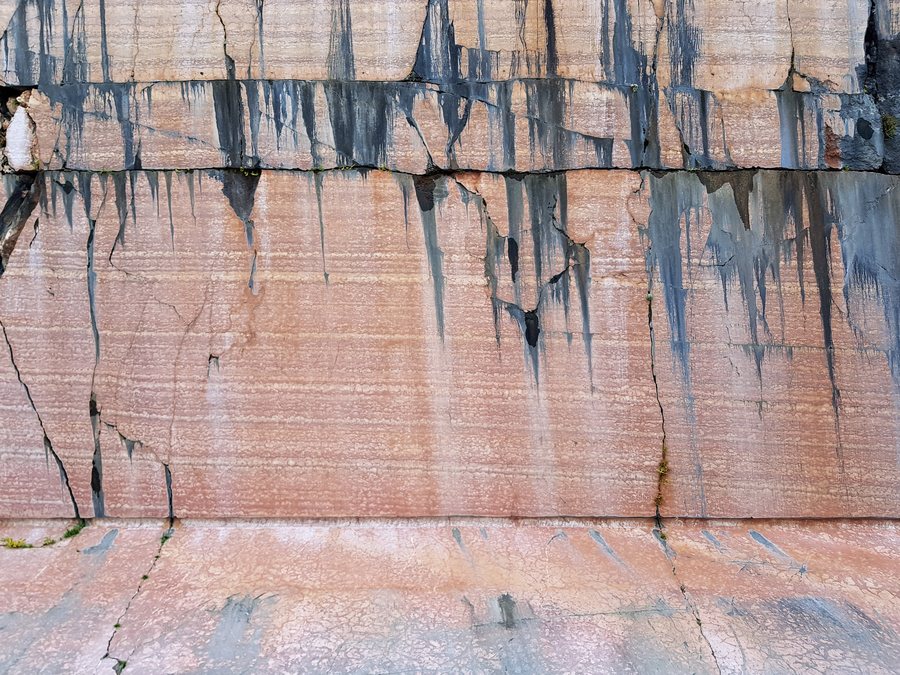 File:Red marble quarry Cava Buscada - Erto e Casso, Pordenone, Friuli-Venezia Giulia, Italy - 2021-09-27.jpg
Photo: Mænsard vokser via Source, CC BY-SA 4.0
File:Red marble quarry Cava Buscada - Erto e Casso, Pordenone, Friuli-Venezia Giulia, Italy - 2021-09-27.jpg
Photo: Mænsard vokser via Source, CC BY-SA 4.0
Culture
The Palazzo Ricchieri was initially built in the 13th century as a fortified tower house near the river port on the Noncello and was later converted into a Venetian-style palace. The Museo Civico di Storia Naturale Silvia Zenari focuses on a different period. It is located in the 16th-century Palazzo Amalteo in the historic centre of Pordenone. Its collections cover mineralogy, petrography, palaeontology, botany, zoology, ethnography and technology; together, they contain more than 90,000 catalogued specimens.
The visitor facilities at the Museo Civico di Storia Naturale Silvia Zenari include high-contrast signage, tactile picture cards, audio content, content in Italian Sign Language, Easy Language and augmentative and alternative communication, as well as augmented-reality experiences. The Galleria Harry Bertoia is fully accessible throughout the museum for wheelchair users and people with reduced mobility. As an exhibition space in the 14th-century Palazzo Spelladi, the Galleria Harry Bertoia presents large temporary exhibitions, often dedicated to author photography and conceived as curated projects. The original structure of the Palazzo Spelladi can be dated back at least to the beginning of the 14th century.
The Museo Diocesano di Arte Sacra preserves frescoes and sinopias, panel and canvas paintings, glass objects, wooden and stone sculptures, silverwork, drawings and prints, as well as liturgical vestments. Its collections range from the 7th century to the present day and focus on works of local origin. The exhibition is arranged both chronologically by material and according to purpose, presenting evidence of sacramental practice and religious devotion.
The Museo Archeologico del Friuli Occidentale, housed in the Castello di Torre, contains material from the Roman Villa di Torre, as well as medieval and Renaissance ceramics found in Torre and Pordenone. The museum offers guided tours, visits for school groups, and activities and workshops. Further sacred art is preserved in the Duomo di San Marco: it contains works by Giovanni Antonio de Sacchis, known as “Il Pordenone”, including the main altarpiece dedicated to Saint Mark, the Misericordia altarpiece, and frescoes of Saint Roch, Saint Erasmus and the Madonna and Child. The cathedral was built from the 13th century onwards and later expanded with a large polygonal apse and six side chapels. Its stone portal was created by Giovanni Antonio Pilacorte and dates from 1511.
The Chiesa di San Giorgio is a Neoclassical church built on an older 14th-century structure. It preserves altarpieces by Gasparo Narvesa and Michelangelo Grigoletti, as well as frescoes by Tiburzio Donadon. The programme at the Teatro Verdi Pordenone ranges from theatre, music, dance and opera. The main auditorium can accommodate opera, music, dance, theatre, conferences and cinema.
Nature and Urban Landscape
The Parco del Castello di Torre and the Villa Romana area are divided into three zones connected by a bridge over the Noncello. The Palazzo del Fumetto is located in Parco Galvani, an important urban park near the centre of Pordenone. In addition, Pordenone’s cycle network provides access to the foothills and to Montereale Valcellina and is connected to the wider network of cycle routes in Friuli Venezia Giulia.
Getting There
Pordenone railway station is about a five-minute walk from the historic city centre and is the most important interchange between rail services and local public transport. Pordenone lies on the Venice–Udine railway line and is served by frequent regional and long-distance trains to Venice, Treviso, Conegliano, Udine, Gorizia and other destinations in Friuli Venezia Giulia.
Events
The pordenonelegge literature festival returns to Pordenone and the surrounding area from 16 to 20 September 2026 for its 27th edition. The festival’s events take place at numerous symbolic locations in Pordenone.
You can also visit the destination pages for Aviano, Budoia and Udine.
For the higher-level travel overview: Friuli Venezia Giulia.

