
Hersbruck: Churches, Museums and Historic Buildings
Accommodation in Hersbruck
Hersbruck particularly appeals to travelers who want to combine their stay with town history, church art and museums. When choosing a hotel in Hersbruck, it is therefore helpful to decide in advance what you would like to focus on: Are you especially interested in historic buildings, collections, or routes on foot and by bike? Hersbruck offers a variety of starting points, from late Gothic altars and remnants of fortifications to exhibitions and hiking trails.
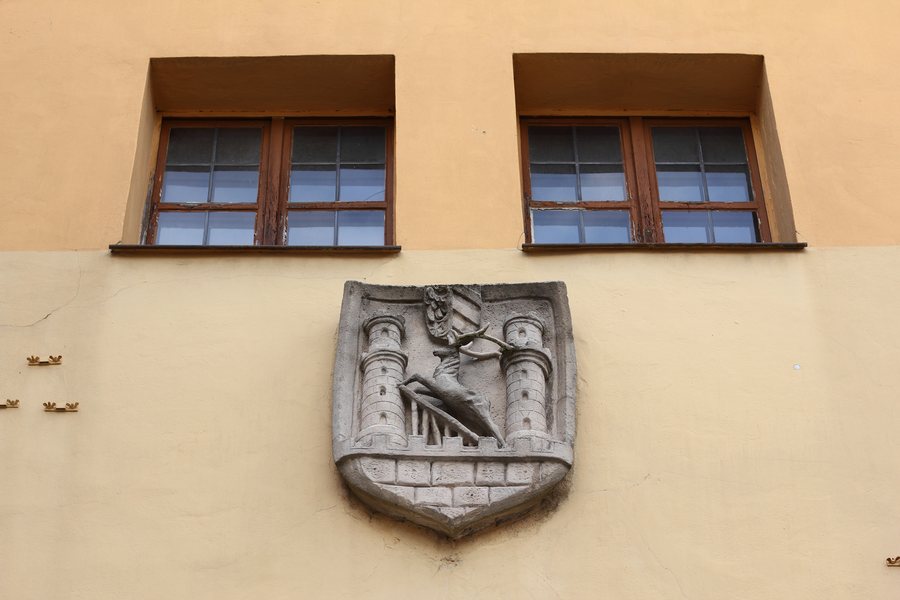
Town History Made Visible in Its Buildings
The Spitalkirche St. Elisabeth was built in the first half of the 15th century. Its late Gothic Crucifixion Altar features carvings from the Veit Stoss school. St. Mary’s Church contains an important late Gothic shrine altar dating from around 1480. The altars offer a concrete comparison: here, the focus is on the Crucifixion Altar and its carvings; there, on the late Gothic shrine. Anyone interested in church art can include both buildings as individual stops during their stay.
The town’s fortifications can also be traced through individual buildings. The wall walk is part of the last town fortifications, dating from the 14th or 15th century. Its covered battlement is open to visitors, 5 to 6 meters high and about 1.5 meters thick. The Gänsturm, also called the Schwalbenturm, was built as a round tower in the 15th century. From 1537 to 1895, it collected spring water, which was piped through wooden conduits to six fountains in the town center.
The Water Gate was rebuilt in 1601/02 and stands beside a bridge over a constructed branch of the Pegnitz. Prager Straße brings together further historical connections and architectural details: it is part of the “Golden Road” between Nuremberg and Prague and was incorporated into the town’s fortifications in the 15th century. Tall burghers’ houses with hop-drying floors and hoist projections characterize its architecture as described. Hersbruck Castle originated as a castle built before the year 1000 to protect the Pegnitz bridge.
Museums and Guided Tours
The German Shepherds’ Museum in Hersbruck is Germany’s only museum dedicated to shepherd culture. It is housed in a two-story burghers’ house dating from 1524. Topics covered by its special exhibitions include shepherds, crafts, everyday culture and art. The building also houses local history collections and a crafts section. Interactive, hands-on stations offer a playful way to experience how people and livestock live together.
The Hersbruck Art Museum focuses on contemporary art, painting, sculpture and object art. Visitors can also stroll through the sculpture garden of the small half-timbered house. The changing exhibitions of the K5 Regional Art Forum Hersbruck offer another perspective, showcasing work by artists from the region. If you want to plan your stay around a particular exhibition, check the current program in advance.
Hersbruck offers guided tours throughout the year, taking visitors and locals on a journey through medieval Hersbruck. The tours complement the view of individual buildings with a shared narrative of the town’s history. Check the current schedule before your trip if you want to plan a tour in advance.
Hiking, Cycling and Time Outdoors
There are various options for hiking: trails cross Hersbruck and run along the Pegnitz or through its side valleys. Almost all of Hersbruck’s circular hiking trails start and end at the town’s two railway stations, so hikes can also be started using public transport. For cycling, the Five Rivers Cycle Route passes directly through Hersbruck and connects the river valleys of the Pegnitz, Vils, Naab, Danube and Altmühl. The options described differ in this respect: the railway stations are named as the start and end points for the circular hiking trails, while the cycle route focuses on the connected river valleys.
The Hersbruck Strudelbad offers swimming and non-swimming pools, an expansive sunbathing lawn, and play and sports facilities for the whole family. The Pegnitz flows between the pools and the sunbathing lawn. As the facility operates seasonally, check the current opening hours before visiting.
Travel Connections for Planning Your Trip
The Pendolino connects Hersbruck with Nuremberg in about 15 minutes. This approximate journey time is a useful guide for planning; check current connections before traveling. You can then match your plans for your stay to your interests: historic buildings and museums, routes on foot or by bike, and seasonal time at the Strudelbad each offer a different focus.
Discover more destinations: Kirchensittenbach, Altdorf bei Nürnberg, Engelthal, Pommelsbrunn, Reichenschwand, Schnaittach, Lauf an der Pegnitz, Hartenstein.
Return to the main travel overview: Nürnberger Land.

