
Aschheim in the Munich Area
Accommodation in Aschheim
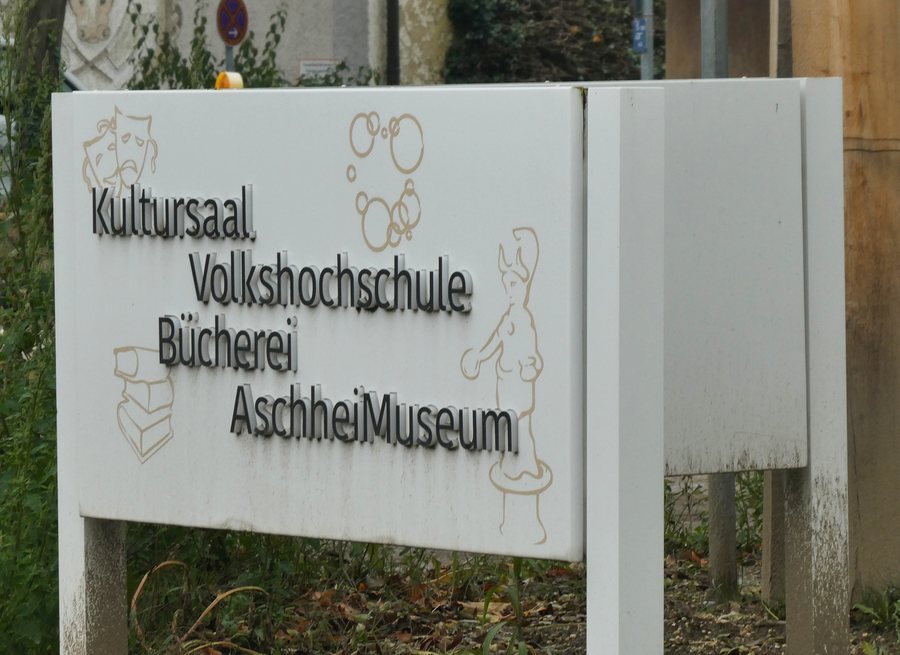
Aschheim is located in the Munich area. This surrounding area is complemented by several historical objects, dating from 2700 BC through the Roman period to the 6th century. Those who want to explore the town not only through a single sight but through various cultural points of reference will find several clearly distinguishable connections here.
Geographical Classification
The Munich-Riem subcamp is located in the immediate vicinity of Aschheim.
The House of Art, the Museum Five Continents, and the Munich Residenz are located in the area around Aschheim. These three places address different cultural themes without having to be combined into a single offering. For your planning, it makes sense to consider the close proximity in the immediate surroundings separately from their location in the wider region.
SEA LIFE Munich and Hellabrunn Zoo are also located in the surrounding area.
The Siegestor and the Rose Garden are also located in the area around Aschheim. Together with the destinations mentioned above, they form a series of different places in the Munich area. Different geographical connections and types of destinations help keep your daily itinerary clear and distinguish individual visits from one another.
History
A statuette of Athena from Dornach is dated to around 100 BC. The piece connects the local reference to Dornach with an approximate dating from antiquity.
A small cup from Aschheim dates to 2700 BC. Its date is significantly earlier than those of the other objects mentioned and represents a distinct early period within the local chronological references.
A military fibula from Aschheim dates to the 4th century during the Roman period. The designation as a military fibula and its chronological connection to the Roman era belong together and should not be mixed up with the later-dated pieces.
An S-shaped dress pin from Aschheim dates to the 6th century. A decorated head of a dress pin from Aschheim dates to 1600 BC. The two objects belong to different periods and also differ in their described form.
For historical classification, it is helpful to read the dates and period designations separately: The objects do not represent a single period, but rather several widely separated periods. This makes it possible to consider the early BC dates, the Roman connection, and the later centuries as different points of reference alongside one another.
The types of objects also differ clearly: cups, fibulae, dress pins, and statuettes each set their own focus. The descriptions of the forms of the two dress pins also allow for a direct comparison within this group of objects without equating their different dates.
When comparing accommodation for your trip to Aschheim, you can check the room category and cancellation conditions in addition to your travel dates. For Aschheim, this allows the time frame, preferred room category, and conditions for a possible change to be compared in a single overview.
The museums, buildings, places, and historical objects mentioned give Aschheim a point of reference in the Munich area that encompasses both nearby history and more widely distributed cultural destinations.
For the overarching travel overview: Munich Region.
More destinations
More places within the same destination:

