
Kitzbühel: Ski Hotels and City History
Accommodation in Kitzbühel
The Hahnenkamm cable car connects Kitzbühel’s historic town centre directly to a ski area whose published size is given as 233 kilometres. This figure may change as the ski area network is adjusted. For a ski holiday, this is the specific winter connection between the town centre and the ski area. At the same time, Kitzbühel can be explored through its museums, churches and historic buildings. This means you can consider the town’s history alongside winter sports when choosing where to stay.
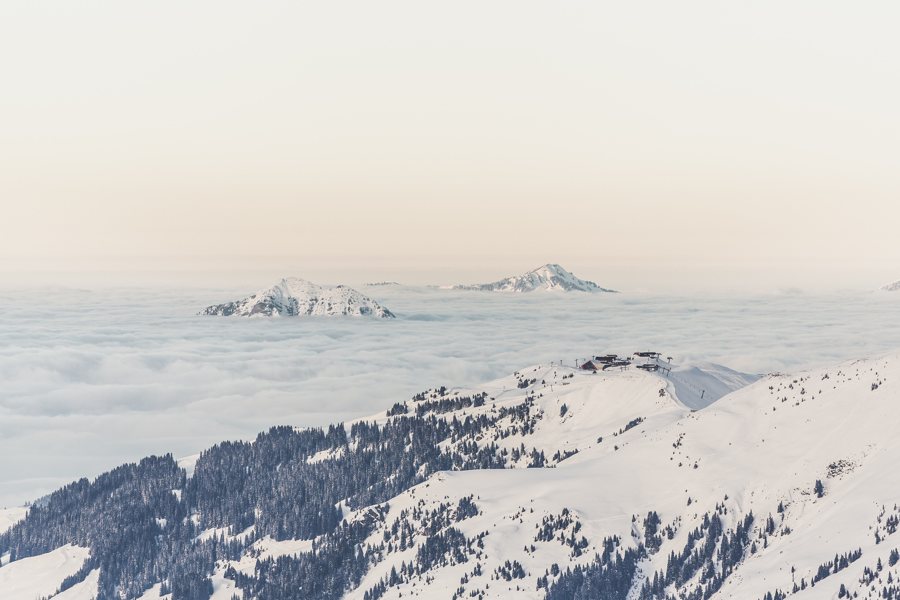
Cable Cars and Views from the Horngipfel
Hornbahn I and the Horngipfelbahn take you to the Horngipfel, where you can enjoy a 360° panorama. This adds to the picture of the Hahnenkamm cable car’s connection between the historic town centre and the ski area: here, the focus is on the summit and the views; there, on the town centre’s access to a ski area. These two details describe different points of reference for a stay in Kitzbühel.
Museum: From City History to Art
The Kitzbühel Museum – Alfons Walde Collection presents the history and culture of the town and region of Kitzbühel, from Bronze Age mining around 1000 BC to winter sports. The permanent collection focuses on Alfons Walde: it includes 60 paintings and more than 100 prints, drawings, photographs and graphic prints. Art and a broad sweep of history are thus brought together in the same museum. In summer, the rooftop terrace offers views of the old town and Kitzbühel’s mountain scenery. Check the current opening hours before visiting the terrace.
Historic Buildings and Churches in Kitzbühel
The Powder Tower combines a distinctive architectural form with the history of Sinwell mining. It was built around 1500 to store powder for this mining operation and is a two-storey masonry building with a steep gable roof. The construction dates of the Capuchin monastery are more precise: work began in 1698 and was completed in 1702.
The churches also offer their own historical and artistic highlights. St. Andrew’s Parish Church at the foot of Lebenberg is a late Gothic building dating from 1506 and brings together art from seven centuries. The Church of Our Lady on the church hill was built in the 14th century; its distinctive tower makes it easy to recognise. On a walk through the town’s history, you can compare buildings from different periods and their features.
Rural Life and Activities Beyond the Slopes
The Hinterobernau Farmhouse Museum offers another perspective on the region: it is housed in a 1559 farmstead of the Salzburg-Tyrolean single-house type, furnished as it would have been 100 years ago. The exhibition illustrates rural life before tourism arrived in the region around Kitzbühel. This complements the town’s history with a rural perspective on the period before tourism brought change.
For hiking, the Kitzbühel hiking region offers more than 1,000 kilometres of well-signposted trails through a cultural landscape. Parts of the Schwarzsee shoreline are designated nature reserves. On the Hahnenkamm ridge, the Streif summer experience offers a family route with nine stations for climbing, balancing and small adventures. As the route is subject to seasonal operating conditions, check these before your trip.
Guided tours of historic Kitzbühel offer insights into its development from its medieval roots to its present-day status as an Alpine sports town; booking details may vary. The summer concerts of the Kitzbühel Music Friends add a musical highlight: since 1978, they have showcased chamber music of international quality and a commitment to music and culture. Check the current programme before your trip.
Discover more destinations: Going Am Wilden Kaiser, Westendorf, Kirchdorf In Tirol, Sankt Jakob In Haus, Kirchberg In Tirol, Fieberbrunn, Oberndorf In Tirol, Waidring.
Go to the higher-level travel overview: Kitzbühel District.

