
Hartberg-Fürstenfeld: skiing, thermal spas and culture for your winter holiday
Accommodation in Hartberg-Fürstenfeld
If you are considering Hartberg-Fürstenfeld as a destination for a skiing holiday, the focus is not only on the range of ski slopes. The smaller ski areas in the northern part of the district, thermal spas, a large bathing lake, natural areas and historically significant places open up different possibilities for spending winter days together. Accommodation for a skiing holiday can therefore be selected here according to the desired mix of skiing, relaxation, culture and excursions. For short distances to a specific lift or slope, you should consider the exact location separately.
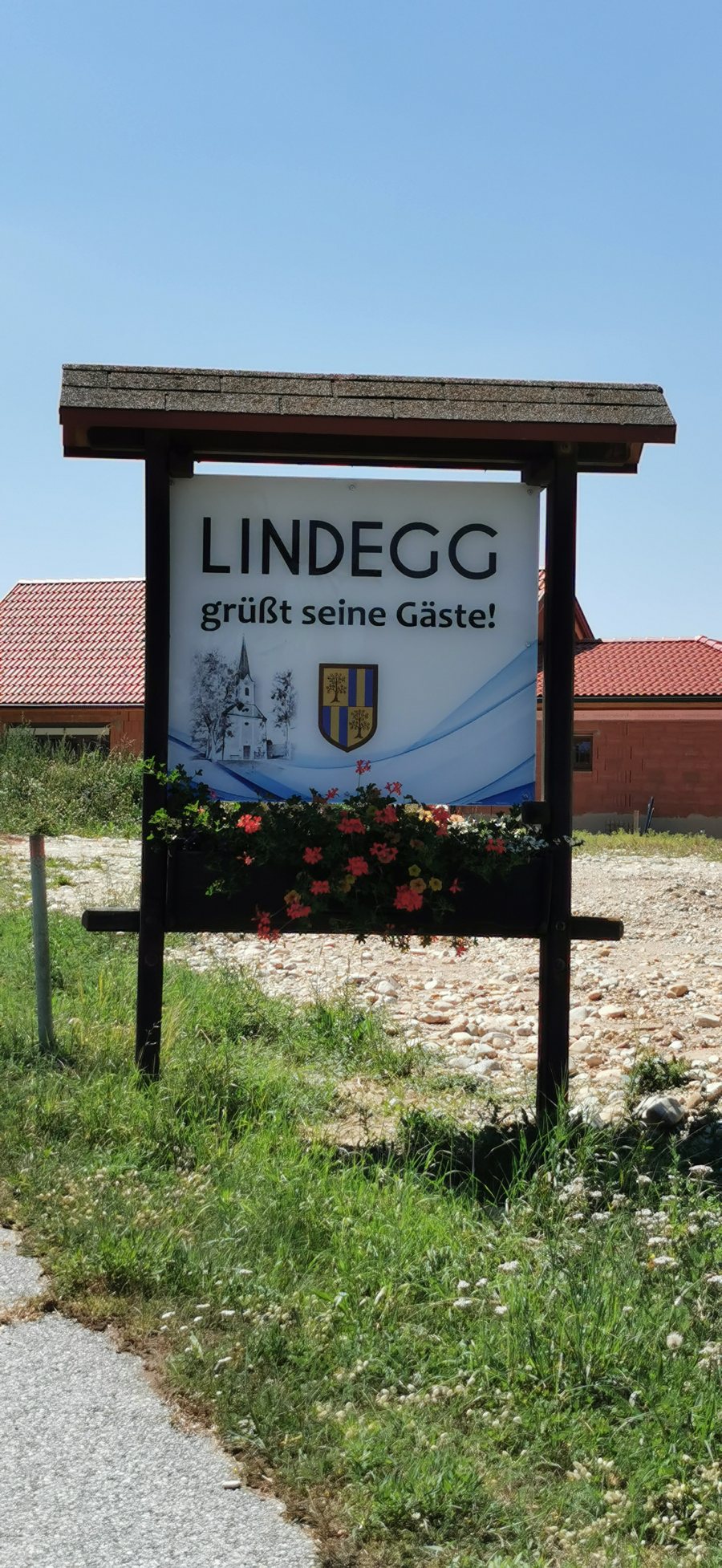 File:AUT — Steiermark — Bezirk Hartberg-Fürstenfeld — Gemeinde Bad Blumau — Katastralgemeinde Lindegg (Tafel “Lindegg grüßt seine Gäste”) Mattes 2022-07-18.jpg
Photo: Photo: User:Mattes
File:AUT — Steiermark — Bezirk Hartberg-Fürstenfeld — Gemeinde Bad Blumau — Katastralgemeinde Lindegg (Tafel “Lindegg grüßt seine Gäste”) Mattes 2022-07-18.jpg
Photo: Photo: User:Mattes
Winter and skiing: Together, the smaller ski areas in the northern part of Hartberg-Fürstenfeld district offer around 11 kilometres of ski slopes.
Lake Stubenberg: The 40-hectare bathing lake is one of the district's best-known excursion destinations. Its shores are completely undeveloped.
Thermal spas: Heilthermen Resort Bad Waltersdorf, Rogner Bad Blumau and Thermenresort Loipersdorf are among the district's four thermal spas and popular excursion destinations.
Nature: Hartberger Gmoos is a 70-hectare Natura 2000 wetland immediately south of Hartberg and now serves as a local recreation and quiet area.
Culture: Vorau Collegiate Church is the only Augustinian Canons' monastery in Styria that is still in existence.
Exploring the area: The approximately 1.5-kilometre Archaeological Circular Trail near Hartberg leads to six stations along a Celtic fortification.
Skiing holidays with different daily itineraries
The skiing theme focuses on several smaller areas in the northern part of the district. The approximately 11 kilometres of ski slopes in total provide a clear indication of the region's scale for winter activities, but do not replace a specific consideration of lift routes, altitude, terrain or ability levels. If you are travelling with children, different skiing abilities or a lot of equipment, the location of your chosen accommodation should therefore be assessed separately from the other excursion destinations.
The combination of a day of skiing and another programme can be particularly interesting for mixed groups. While some travellers are out on the slopes, the thermal spas, Lake Stubenberg, museums and natural areas offer independent destinations. This means that daily planning is not limited to a single activity, without implying that any particular accommodation or location is suitable for a specific purpose.
Thermal spas, lake and relaxation
Heilthermen Resort Bad Waltersdorf offers numerous thermal-water pools, nine saunas and wellness treatments such as massages and cosmetic treatments. Rogner Bad Blumau was designed by Friedensreich Hundertwasser. Together with Thermenresort Loipersdorf, these destinations are among the district of Hartberg-Fürstenfeld's four thermal spas and popular excursion destinations.
Lake Stubenberg also has its own distinct focus. The 40-hectare bathing lake has completely undeveloped shores. There are different areas to suit different preferences: the lively eastern shore with diving rocks, the Strandbad family beach with a sandy beach, giant slide and large children's play area, as well as quieter spots on the southern shore. The approximately 3-kilometre illuminated circular lakeside trail is suitable for running and skating. This allows a stay to be complemented with water, exercise and relaxation, regardless of whether the day is spent on the ski slopes.
Culture and history between Vorau, Pöllau and Fürstenfeld
Vorau brings together several prominent cultural destinations. Vorau Collegiate Church is considered one of the most magnificent Baroque churches in Styria because of its wealth of frescoes, the lavish gilding of its wooden sculptures and the splendid design of its high altar. The Vorau Folk Bible was entered into UNESCO's Austrian Memory of the World Register on 14 September 2018.
Pöllau Castle is located in a former Augustinian Canons' monastery in Pöllau. The floor plan of the church and the impressive domed structure were modelled on St Peter's Basilica in Rome. The pilgrimage church of Pöllauberg in Pöllauer Tal Nature Park is a High Gothic church and is considered one of the most magnificent High Gothic churches in Styria.
Hartberg and Fürstenfeld also offer various points of access for those interested in history. The permanent exhibition at Hartberg Museum provides a historically documented overview of Hartberg's history within its historically significant walls. The Pfeilburg Museum in Fürstenfeld covers the town and contemporary history of the border town, smoking culture in the Kruzitürken Museum, as well as special exhibitions on the collecting activities of Fürstenfeld's citizens. The Fürstenfeld Fortress Trail brings historical content to life at 13 stations and connects three historically significant church complexes via a Knights' Order cycling tour.
At Villa Rustica, well-preserved foundation walls of a large Roman country estate from the 2nd and 3rd centuries AD remain. Those who prefer to combine historical themes with a short route will also find the Archaeological Circular Trail near Hartberg, running along a Celtic fortification.
Nature, trails and regional specialities
Hartberger Gmoos lies immediately south of the town of Hartberg. The 70-hectare Natura 2000 wetland now serves as a local recreation and quiet area; more than 150 bird species have been recorded there. In the 124 km² Pöllauer Tal Nature Park, gentle hills of the Rabenwald and species-rich traditional orchards shape the landscape. You can explore three special natural treasures independently or with experienced nature and landscape guides.
The Ringwarte Circuit is ideal for views and exercise: 99 steps lead to the top of the Ringwarte, which offers panoramic views across the hills of eastern Styria. Cyclists will find the southern section of the Feistritztal Cycle Path R8, which runs through ApfelLand-Stubenbergsee, a cycle path described as full of experiences and romantic. The Three Castles Tour in the Hartbergerland runs entirely on asphalt, but has many climbs and is therefore suitable only for sporty cyclists or e-bike riders.
Regional cuisine includes the Pöllau Hirschbirne pear PDO, which has been awarded protected designation of origin status by the European Union. It complements the landscape of Pöllauer Tal with a clearly recognisable regional product.
Places for further orientation
For further orientation within the district, you will find: Sankt Lorenzen Am Wechsel, Mönichwald, Wenigzell, Schaueregg, Karnerviertel, Pöllau, Pöllauberg, Sankt Jakob Im Walde, Vorau, Ilz, Fürstenfeld and Loipersdorf Bei Fürstenfeld.
FAQ
What mobility option is documented in Vorau?
In Vorau, the Oststeiermark SAM shared taxi complements public transport as a feeder and connecting service for the first and last mile. In areas without public transport, it provides additional mobility.
What does the Vorau open-air museum offer school groups?
In addition to an educationally prepared guided tour, school groups receive age-appropriate worksheets that support the playful exploration of the museum.
How is Pöllau Castle accessible?
The courtyards of Pöllau Castle can be viewed from outside. The interiors are accessible only as part of a guided castle tour.
What can you see on the Archaeological Circular Trail near Hartberg?
The approximately 1.5-kilometre circular trail follows a Celtic fortification to six stations with information and images about the history of settlement from the Celts to the Romans.
What makes Lake Stubenberg special for different visitor groups?
The lake has various shoreline areas: the lively eastern shore with diving rocks, the Strandbad with a sandy beach, giant slide and large children's play area, as well as quieter spots on the southern shore.
For the overarching travel overview: Styria.
