
Mödling between the Vienna Woods, culture and wine country
If you are looking for accommodation in Mödling, you will find a town with short thematic routes connecting nature, history, music, and regional wine culture. When planning your trip, it is particularly useful to consider which interests you would like to combine: Mödling's city forest offers designated trails and forest bathing areas, while museums, historic buildings, audio guides, and cultural events provide their own focal points. The centrally located railway station's connections to Vienna and Baden are also important when planning your stay.
Nature and wine country
The entire Mödling city forest lies within the Vienna Woods Landscape Conservation Area and entirely within Föhrenberge Nature Park. It covers around 350 hectares. This means that the natural area extends directly into the town's history and leisure activities, without its protected-area designations being equated with any particular use.
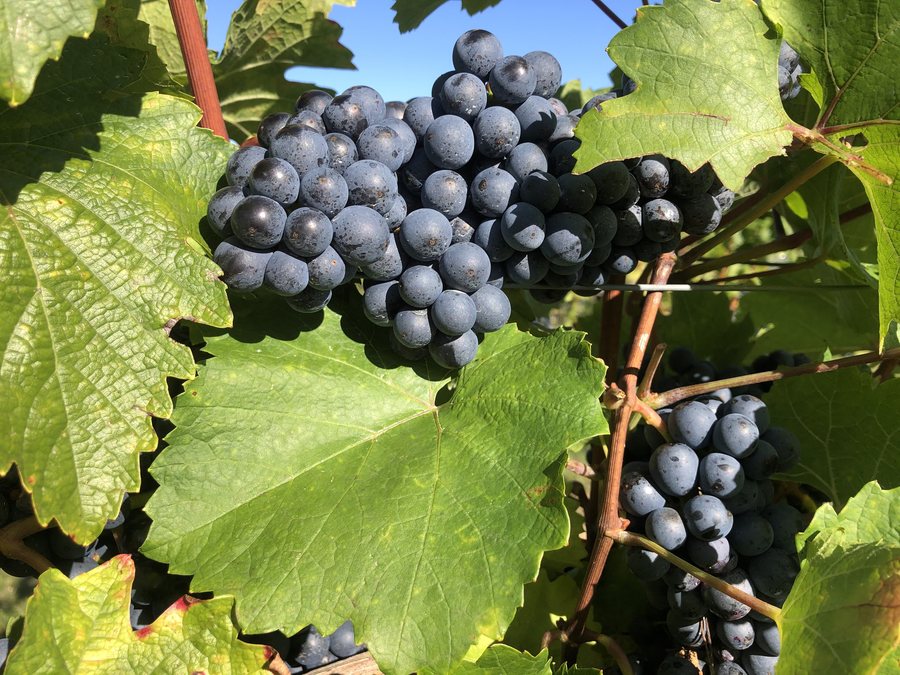
Wine is also part of the local character. The vineyards around Mödling produce grapes for regional wines. At Mödling's Heurigen wine taverns, you can experience the variety of these regional wines first-hand. The city forest also has designated forest bathing areas with loungers, including one near the forest classroom above Meiereiwiese.
Hiking and cycling in Mödling
Several documented trails make Mödling easy to compare for different hiking interests. Husarentempel is one of eight towers on the themed hiking route “The Towers of the Vienna Woods”. One stage of this themed route leads from Meiereiwiese in Mödling via Husarentempel to Gumpoldskirchen. Mödling's “Tut gut!” hiking network comprises three routes, all of which start at Föhrenhof.
The short route of the “Tut gut!” hiking network is accessible and passes Mödling's forest classroom and the Salamander biotope. The longest and most demanding route leads to most of Prince Liechtenstein's ornamental structures, including the Black Tower, the spectacles, and Johannessteig. These differences help you compare the trails according to your desired level of difficulty and thematic interests. At the end of the hike, Mödling Circular Hiking Trail 448 reaches Mödling via the Golden Stairway.
For a cycling tour, the Mödlingbach Cycle Route is available. It runs along the Mödlingbach through Biedermannsdorf, Wiener Neudorf, Mödling, and Hinterbrühl and is signposted throughout. Accommodation in Mödling may therefore be particularly appealing as a starting point if you would like to alternate between sightseeing in town, hiking trails, and a signposted cycling tour.
History, buildings and music
Mödling Castle is connected with the history of the Babenbergs: A collateral line lived at the castle from 1177. During the first siege of Vienna by the Ottomans, it burned down in 1529. Today's Husarentempel was built by Joseph Kornhäusel in 1813 as the “Temple of Military Glory”. It stands at an elevation of 496 metres in Föhrenberge Nature Park and is also part of the themed hiking route “The Towers of the Vienna Woods”.
Beethoven is also present at several locations in Mödling. At Mödling's Hafnerhaus, he worked on the Piano Sonata in B-flat major, Op. 106, the Diabelli Variations, Op. 120, the Mödling Dances, and the “Missa solemnis”, Op. 123. Ludwig van Beethoven spent the summer months of 1819 there; a stay in 1818 has not been conclusively established. The Beethoven Discovery Tour begins at Freiheitsplatz and leads via the District Museum and the Beethoven sites in Achsengasse and Hauptstraße to St. Othmar's Church.
St. Othmar's Parish Church stands on a site where churches have existed for more than 1,000 years. The present building is the seventh church to have stood there in uninterrupted succession. Arnold Schönberg lived in the Schönberg House from 1918 to 1925. Because of the compositional method developed there, the house is often referred to as the “birthplace of 12-tone music”; this designation describes its cultural classification and is not a statement about any other function of the site. The permanent exhibition includes original furniture and original instruments.
Further museums offer deeper insights into the region. The permanent exhibition at the Mödling Urban Transport Museum covers the Mödling–Hinterbrühl Electric Railway. Mödling Museum focuses on the formation of the landscape, rocks, and prehistory from the Stone Age to the Roman period. The Folklore Museum with its house garden covers forestry and agriculture, crafts, and viticulture. Since 1984, its collection has been displayed in a vintner's house dating from the 16th to 17th century. A reconstructed 19th-century kitchen with a “Sparherd” stove is also part of the exhibition.
Winter activities and practical information
Mödling Municipal Baths offer ice skating in winter; the indoor swimming pool is also open in winter. Every year, the Mödling Summer of Culture offers a varied programme and adds another cultural highlight to the annual calendar.
For information and orientation on site, the tourist information office in Mödling sells admission tickets and runs a shop for regional products. The centrally located Mödling railway station connects Mödling with Vienna and Baden. Advance registration or an appointment is required to visit the Beethoven Memorial Site. You should therefore check this point when making your specific plans before scheduling the visit.
Further local pages: Gruberau, Maria Enzersdorf, Breitenfurt, Hinterbrühl, Gaaden, Brunn Am Gebirge, Perchtoldsdorf, Vösendorf.
For the overarching travel overview: Lower Austria.
Check prices, availability, and amenities for your travel dates directly on Booking.com.
View accommodation and offersAdvertisement · Affiliate link to Booking.com
