
Snowboard equipment
Choosing snowboard equipment correctly
With snowboard equipment, fit, intended use and reliable function matter more than the lowest price. Equipment for a ski holiday must work in cold, wet, windy and active conditions. It should not press or slip and should remain comfortable after several hours on the piste. If you ride only occasionally, renting or choosing a well-priced model can be sensible; regular riders benefit from durable equipment and good advice.
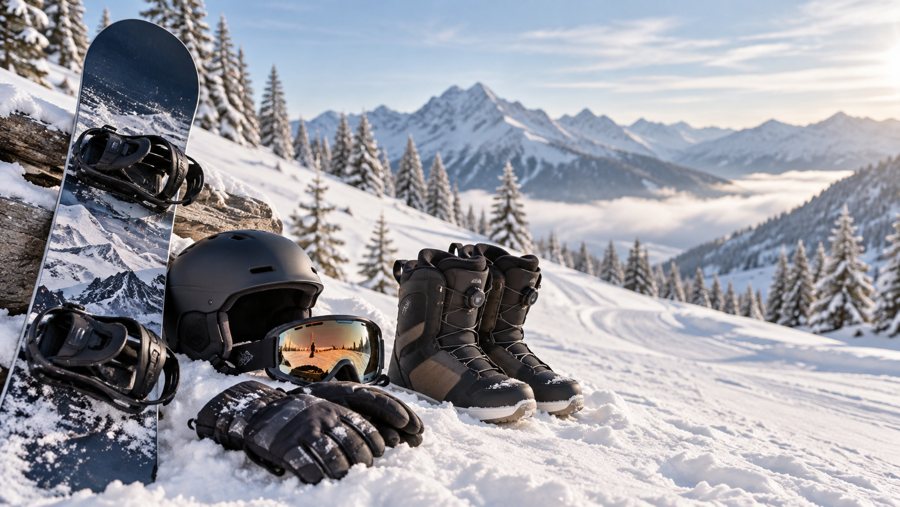 Illustrative snowboard equipment beside a snowy mountain trail; KI-generiert, illustrativ und nicht-dokumentarisch, kein Foto eines bestimmten Ortes.
Photo: Max-TD / OpenAI in-house AI generation
Illustrative snowboard equipment beside a snowy mountain trail; KI-generiert, illustrativ und nicht-dokumentarisch, kein Foto eines bestimmten Ortes.
Photo: Max-TD / OpenAI in-house AI generation
Before buying, take a realistic look at your ability. Beginners need robust, easy-to-control equipment. Sportive riders pay more attention to direct power transfer, stability and precise handling. The correct size is particularly important for children and teenagers, because parts that are too large or too stiff can make learning harder and reduce safety.
Comfort and safety on the piste
Good snowboard equipment supports freedom of movement and protects the areas exposed to stress. Seams, fasteners, padding, edges, bases and lenses should suit the equipment and be checked carefully. Small weaknesses quickly become noticeable on a ski holiday: cold hands, pressure points, poor visibility or unstable riding can shorten a day on the piste considerably.
Care and transport are also part of the planning. Dry storage, clean surfaces and regular checks extend the useful life of the equipment. With safety-relevant equipment, do not improvise repairs; have damage assessed by a specialist. A short check is especially useful before the first ride of the season.
Buy, rent or replace?
Renting is practical if you ride only occasionally, want to test new equipment or prefer to travel with little luggage. Buying is worthwhile when a familiar fit matters and the equipment will be used for several winters. Replace snowboard equipment when its protection, support or function visibly deteriorates. Well-fitting equipment makes a ski holiday more comfortable and helps you focus on snow, weather and riding technique.
Check before the trip
Before packing, check all snowboard equipment. Make sure the materials are dry, fasteners work, contact surfaces are clean and the size still fits with the clothing you plan to wear. Something that feels only slightly uncomfortable at home can become very distracting after several hours in the snow. A short practical test before putting the equipment in the suitcase or car is worthwhile.
Allow enough time to adjust rented equipment on site. Waiting times are common during school holidays, and a quick replacement may not be immediately available. If you use your own equipment, check before departure whether spare parts, care products or professional adjustment are needed. This saves stress on the first day.
Avoid common mistakes
Snowboard equipment is often chosen too large, too warm, too stiff or simply for its appearance. A better choice starts with the intended use: a relaxed family holiday, sporty riding, snowboarding, cross-country skiing or several days of changing weather create different requirements. Good advice helps avoid unsuitable purchases. After the holiday, store the equipment dry, clean and well ventilated so that it works reliably next season.
Care and service life
Snowboard equipment stays reliable for longer when it can dry after every day on the piste and is not left damp in the car, cellar or bag. Remove salt, dirt and snow before storing it. Moving parts, zips, buckles and hook-and-loop fasteners deserve particular attention because small defects can quickly become troublesome during a holiday.
A simple packing list helps for the next trip: main equipment, suitable socks or base layers, spare parts, care accessories and a bag for wet items. Checking everything in good time reduces the need to improvise on site and lets you focus more on riding.
Quick planning check
Before the trip, check whether the equipment suits your ability, the weather and snow conditions are appropriate, alternatives exist if lifts close or weather deteriorates, and all necessary equipment is available. Clarifying these points in advance avoids unnecessary journeys and helps you make better use of your winter holiday.
It is also worth reviewing the trip afterwards. Which accommodation location was practical? Which equipment was missing? Which activity should have more time next time? These experiences make future planning easier and help you choose your ski holiday more deliberately.
