
Skiing in the Salzburg Region
The Salzburg region offers a range of options for a ski holiday. Saalbach, Zell am See-Kaprun and Obertauern differ in their character, altitude, daily rhythm and accessibility. When comparing ski regions in Austria, it is therefore worth looking beyond the number of pistes and considering how important short distances, family facilities, sporting variety and alternative activities are.
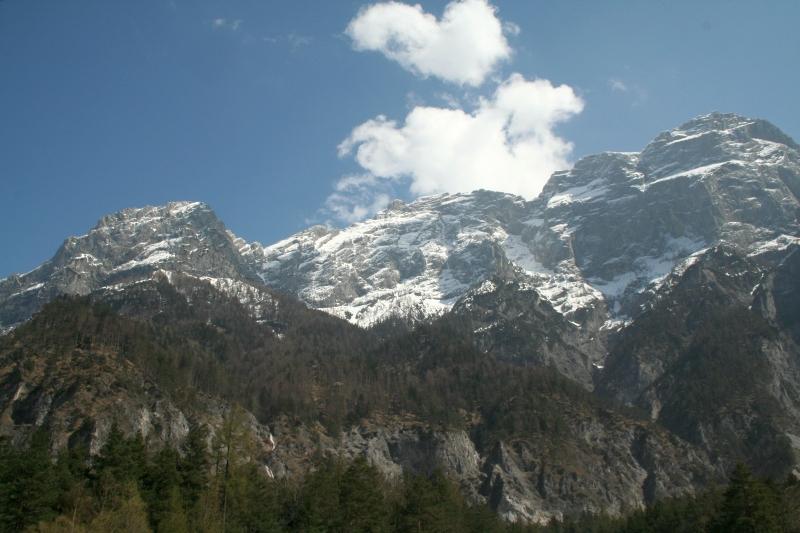 Verschneite Fels- und Waldhänge liegen unter blauem Himmel.
Photo: Dago Wiedamann | MaxTD Imagebank
Key facts
- The Skicircus links Saalbach, Hinterglemm, Leogang and Fieberbrunn.
- Fieberbrunn is in Tyrol, while the other three resorts are in the Salzburg region.
- Zell am See is the starting point for the Schmittenhöhe.
- Kaprun is the base for Maiskogel and the Kitzsteinhorn.
- The Tauernrunde connects lifts and pistes in a loop around Obertauern.
- For ski-area circuits and trips between resorts, allow for different routes and extra time.
Saalbach, Zell am See-Kaprun or Obertauern?
Saalbach may suit groups looking for a wide choice of runs and a lively resort. Zell am See-Kaprun combines winter sports with a destination that has its own character and other leisure options. Obertauern is a good choice for visitors who prefer a compact, high-altitude winter sports destination.
The differences are also apparent in the terrain: the Skicircus Saalbach Hinterglemm Leogang Fieberbrunn links four resorts on both sides of the border between Salzburg and Tyrol. In Zell am See-Kaprun, access points are spread across the Schmittenhöhe, Kitzsteinhorn and Maiskogel. Obertauern is defined by the Tauernrunde, which links lifts and runs in a loop around the resort.
Assess travel dates and snow conditions realistically
The best time to visit depends on school holidays, ability level and the altitude you prefer. Families often need safe, easily accessible starting points and a relaxed setting. More athletic skiers tend to look for long days and a variety of runs. For each ski day, weather, visibility and avalanche conditions, as well as local closures and operator notices, are key considerations.
Artificial snowmaking can help with planning, but it does not guarantee consistent conditions everywhere or that all facilities will be open. The differences between natural and artificial snow also affect expectations for piste edges, valley runs and winter paths. Piste grooming is usually carried out outside operating hours; observe all closures.
Accommodation and getting there
Staying right by a lift or access point saves daily travel, while a larger resort may offer more restaurants and activities for non-skiers. Families should check for ski buses, ski schools, rental shops, supermarkets and a dry place to store boots and clothing. For groups with different ability levels, it helps to stay somewhere with access to several starting points or routes back.
If travelling by car, plan for winter equipment, parking and the final stretch of the journey. If travelling by train or bus, include the transfer from the station to the resort in your plans. If you are considering a day trip to another ski area, weigh the extra travel time against the potential change of scene.
Budget and length of stay
The criteria for a week-long holiday differ from those for a ski weekend. For a short stay, a central location may justify a higher price if it saves on transfers and parking. For longer stays, lift passes, equipment rental, ski lessons, meals and possible rest days become more important. Setting a total budget per person makes offers easier to compare and avoids focusing solely on the accommodation price.
A flexible daily plan is useful for groups with mixed abilities. Beginners can start with a ski school while more experienced skiers spend longer on the slopes. Even so, agree on a set meeting point for breaks together and the return journey. Children benefit from short distances and a plan that does not demand maximum effort every day.
