
Caldas De Luna: Trails, Thermal Spa and Culture
Accommodation in Caldas De Luna
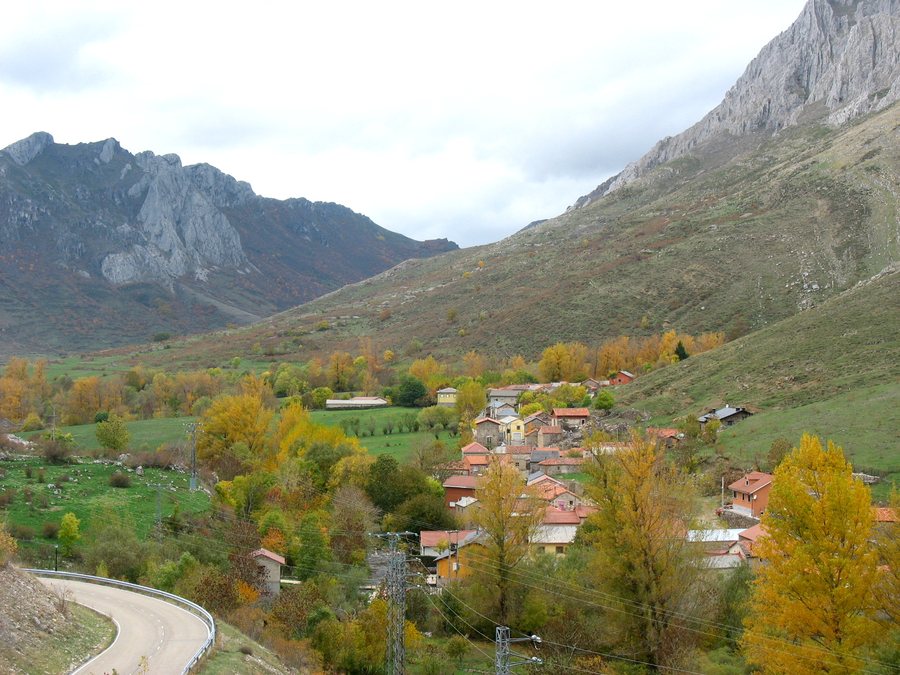
The Anillo de Luna route can be started at any point in the Caldas valley and walked in either direction. The ascent via Robledo is recommended; the descent leads through the Cacabillos valley to Caldas de Luna. The focus of this route is on two different directions and a clearly defined course between Robledo, the Cacabillos valley and Caldas de Luna.
When choosing accommodation in Caldas de Luna, travel dates, room category and cancellation policies may reflect different organizational considerations. These details complement the local themes of the route, thermal spa, gorge and Brañas culture, and help organize accommodation planning according to personal circumstances. This is particularly useful for a trip that combines different focal points between the Anillo de Luna, the Balneario and the cultural traces of the Brañas, as these details can be considered separately from the thematic selection. This keeps the choice of hotel aligned with your own travel dates, preferred room and the applicable conditions, without conflating the destinations described.
Thermal Spa
The Balneario Caldas de Luna is located in an area designated by UNESCO as a biosphere reserve. The Balneario Caldas de Luna offers a thermal spa experience focused on well-being and health. A spring with an outlet temperature of 28 degrees emerges in Caldas de Luna. The restaurant at the Balneario Caldas de Luna serves traditional Leonese cuisine.
Nature
The Hoz del Pincuejo is a narrow gorge and is one of the narrowest gorges in the province of León. It was formed by river erosion and other factors. Extreme conditions prevail in the Hoz del Pincuejo; only a few specialized plant and animal species can survive there.
The peaks of Cueto Negro and Peña Ubiña, as well as the Picos del Fontán mountain, are located in the area around Caldas de Luna. The Alto de la Cañada mountain lies in the wider regional surroundings of Caldas de Luna. Geographically, the two peaks of Cueto Negro and Peña Ubiña and the Picos del Fontán mountain differ from the Alto de la Cañada mountain in the wider regional surroundings.
History and Culture
The Casona del Conde de Nava, decorated with coats of arms, is located in Caldas de Luna. The manor house with two coats of arms in Caldas de Luna consists of a main building and an annex from the 17th century; both sections are built of ashlar stone and masonry.
The Ruta de las Brañas de Caldas makes it possible to visit some of the few surviving examples of Brañas culture in the central Cantabrian Mountains of León.
Surrounding Region
The wider regional surroundings of Caldas de Luna are home to the Nido del Urogallo Museum, the Parque de la Prehistoria de Teverga Museum, the Poblado Minero de Bustiello Museum and the Las Ubiñas - La Mesa Natural Park.
To the main travel overview: Sena De Luna.

