
Manzaneda: Macizo Central, Culture and Nature
Accommodation in Manzaneda
Manzaneda is part of the Macizo Central. A Cabeza Grande reaches 1,782 metres. The geographical context therefore combines a regional mountain range designation with a specific elevation. Beginning with the mountain region and elevation makes the scale of the place immediately clear.
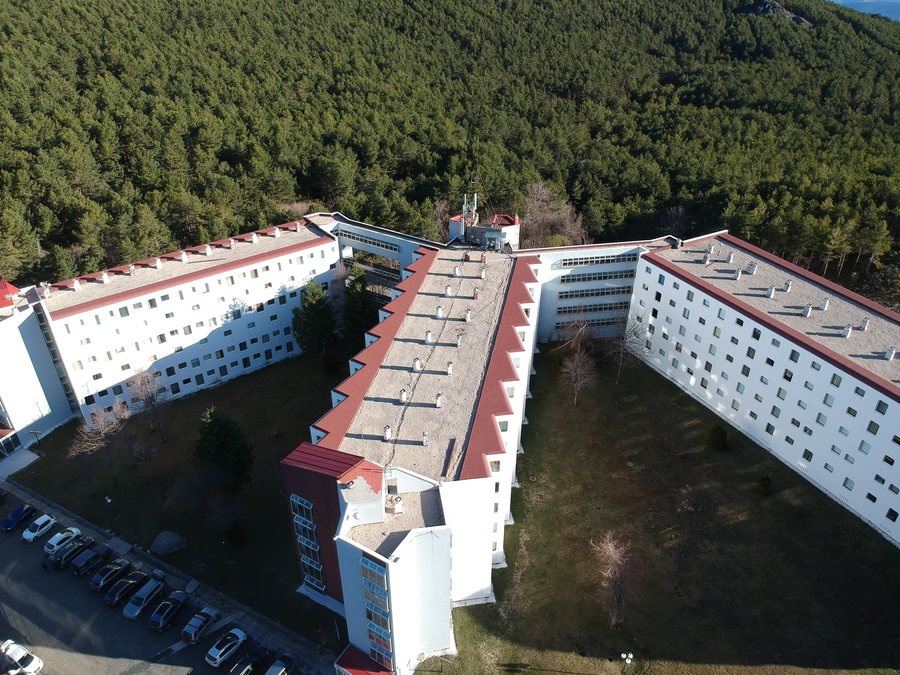 File:Aerial photograph of Manzaneda ski resort (1).jpg
Photo: Joseolgon via Wikimedia Commons, CC BY-SA 4.0
File:Aerial photograph of Manzaneda ski resort (1).jpg
Photo: Joseolgon via Wikimedia Commons, CC BY-SA 4.0
Nature
A distinct natural feature is the Souto de Rozavales. There, the Pumbariños sweet chestnut tree has a circumference of 12.15 metres. Elevation and tree circumference belong to different scales: one indicates the size of a landscape, while the other describes a characteristic of this individual tree. Reading both figures side by side makes it possible to distinguish the regional context from the specific natural detail.
Landscape
The Souto de Rozavales can be reached from A Pobra De Trives via the OU-536 road and a local turn-off to the village of Rozavales. The combination of a main road, a local turn-off and a village destination is suitable for step-by-step route planning. The place name, road designation and destination form clearly distinguishable points of reference.
When comparing accommodation in Manzaneda, travel dates, room category and cancellation policies can be placed directly side by side. Which detail takes priority for you depends on your plans; together, the three fields make different offer conditions visible. Such a comparison keeps the decision focused on specific details. When looking at Manzaneda, you can read these details alongside the different local characteristics: the mountain region, natural features, medieval townscape and local traditions do not form a single category. Travel dates, room category and cancellation policies remain separate offer fields. This makes it possible to consider both time-related conditions and personal cultural and landscape preferences in an accommodation overview.
Culture
For the buildings, information about dates and preservation status should each be distinguished precisely. The former medieval fortress of Manzaneda was recognised as a cultural asset of tourist interest in 1994. A Porta da Vila is the only surviving entrance to the medieval town of Manzaneda and was built in the 12th century on royal initiative. A Porta da Vila formed part of a 400-metre-long wall, of which 100 metres are still visible today.
The Cárcere dos Sarmiento has been fully restored and is used for cultural activities. The medieval streets of Manzaneda are narrow and characterised by old houses adapted to the mountain climate. When interpreting the town, you can consider the building, street space and historical context separately rather than combining them into a single statement.
Tradition
A Rebusca refers to the manual selection of the last chestnuts of the harvest at the end of the chestnut season. The Mázcara de Manzaneda is a skilful dancing figure: it dances on a small box on tiptoe without leaving the ground. The two terms represent different local subjects; when reading about them, it is worth considering seasonal work and dance performance separately.
The remains of the Castillo de Manzaneda also serve as a viewpoint.
For the main travel overview: Ourense.

.jpg)