
Seia in winter: mountain landscapes, snow hikes and culture
Accommodation in Seia Region
Seia combines mountain landscapes, valleys, plateaus and lowlands with trails, waterscapes, culture and regional specialities. This creates a winter stay where snow hikes, nature observation, history and culinary discoveries all have their place. Even if you are travelling with different interests, you can plan varied days around specific routes and excursion destinations.
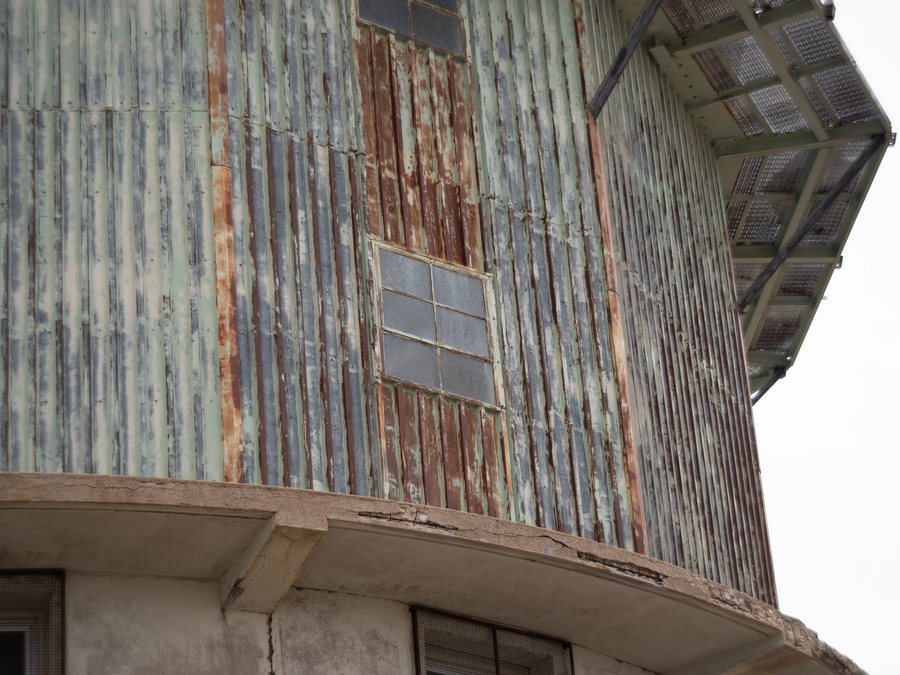 File:Seia Portugal Windows (30514321427).jpg
Photo: spline splinson from Pfäfers, Switzerland via Wikimedia Commons, CC BY 2.0
File:Seia Portugal Windows (30514321427).jpg
Photo: spline splinson from Pfäfers, Switzerland via Wikimedia Commons, CC BY 2.0
Mountain setting: The municipality of Seia lies on the western slope of the Serra da Estrela massif, covers 26 percent of the area of the Parque Natural da Serra da Estrela and extends as far as the Torre, the highest point of the massif.
Rota do Rio Seia: The 15.6-kilometre route can be completed on foot or by bicycle. It begins in the centre of Seia, connects the villages of Santiago, Folgosa do Salvador, Santa Comba, Sameice and Pereiro, which are historically linked to the river, and ends in Vila Verde.
Caminhos de Montanha: In the Seia area, the network comprises approximately 100 kilometres of hiking trails and 150 kilometres of cycling routes with varying elevation profiles.
Winter and nature: The CISE offers hiking routes and snow hikes. The centre also offers birdwatching for those interested in wildlife.
Caminhos dos Conchos: The circular route begins and ends at Lagoa Comprida, next to the sales stand.
Getting there: Seia is mainly accessed via National Roads 17 and 231. These provide connections to the A25, A24 and IP3.
Long-distance route: The GR22 passes through the mountain villages of Sabugueiro, Lapa dos Dinheiros, Valezim, Cabeça and Vide, and then continues into the municipality of Arganil, where the village of Piódão is located.
Landscape, lakes and river valleys
Lagoa Comprida is the largest lake in the Serra da Estrela highlands and also its most important water reservoir. Alongside the mountain relief, this makes a striking waterscape a central feature of a stay. The Caminhos dos Conchos circular route follows this lake directly and offers a clearly defined trail with the same starting and finishing point.
From Praia Fluvial da Lapa dos Dinheiros, a footpath leads to Buraco da Moura and to a viewpoint overlooking the Caniça waterfalls. The river beach itself offers clear water for swimming and has received the accessible beach award. These features can be combined for a day of walking, sightseeing and time by the water without blurring the character of the individual places.
Praia Fluvial de Loriga lies in a glacial valley. This valley was formed by the glacier that shaped the Vale de Loriga.
Understanding nature and experiencing it actively
CISE presents the fauna, flora and geology of the Serra da Estrela in an interactive permanent exhibition and through virtual reality. The combination of the exhibition, virtual interpretation, hiking routes, snow hikes and birdwatching appeals both to those interested in natural history and to visitors who want not only to look at the landscape but also to understand it in greater detail.
The Museu Natural da Eletricidade de Seia is located in the former Central da Senhora do Desterro. This is considered one of Portugal’s oldest hydroelectric power stations. The museum’s educational programme includes guided tours and paths through the Mata do Desterro, bringing together technical history and woodland landscape at a single excursion destination.
Cultural history between chapels and museums
The Museu do Brinquedo de Seia displays around 10,000 toys from Portugal and around the world. The Museu do Pão offers a multisensory experience centred on Portugal’s bread heritage. The two museums have different focuses: one opens up a view of toys and everyday culture, while the other explores a defining element of Portuguese food culture.
The Santuário de Nossa Senhora do Desterro comprises ten chapels. They are dedicated to scenes from the life and Passion of Christ as well as the Mysteries of the Rosary. Construction of the Nossa Senhora do Desterro chapel began in the middle of the 17th century. The Capela de São Pedro is believed to have originally dated from the late 12th or early 13th century and was rebuilt in 1542 on the orders of Aires Botelho.
Castro de São Romão is a settlement from the Late Bronze Age associated with the Baiões/Santa Luzia cultural group. The town centre is also home to the Centro Interpretativo de Seia, located in an extension of the Solar dos Botelhos, a Manueline building from the 16th century. Historical periods from the Bronze Age to the early modern period are therefore represented side by side in different specific architectural and settlement contexts.
The Centro Interpretativo da Ovelha Serra da Estrela is housed in an 18th-century building that formerly served as the town hall, prison and courthouse. Across three floors, the centre offers a sensory interpretation of wool, milk, pastureland and the work of shepherds. The Rotas da Eletricidade organise group visits to manufacturing companies in the wool, textile, dairy and tanning industries, which have shaped the centuries-old industry of Seia and the Serra da Estrela.
Regional specialities
Queijo Serra da Estrela is one of the mountain specialities of the Seia area, while Requeijão de Seia is one of the region’s mountain specialities. Bolo Negro de Loriga is associated with the mountain specialities of the Seia area.
A visit to Lacticínios Correia & Barreiras in Santa Eulália can include a tasting of the cheeses produced at the factory. This gives the region’s cheese culture a specific place of production and tasting alongside its museums, trails and historic sites.
For the overarching travel overview: Guarda.

.jpg)