
Falsztyn: Cycling Route, Landscape and Spisz Culture
Accommodation in Falsztyn
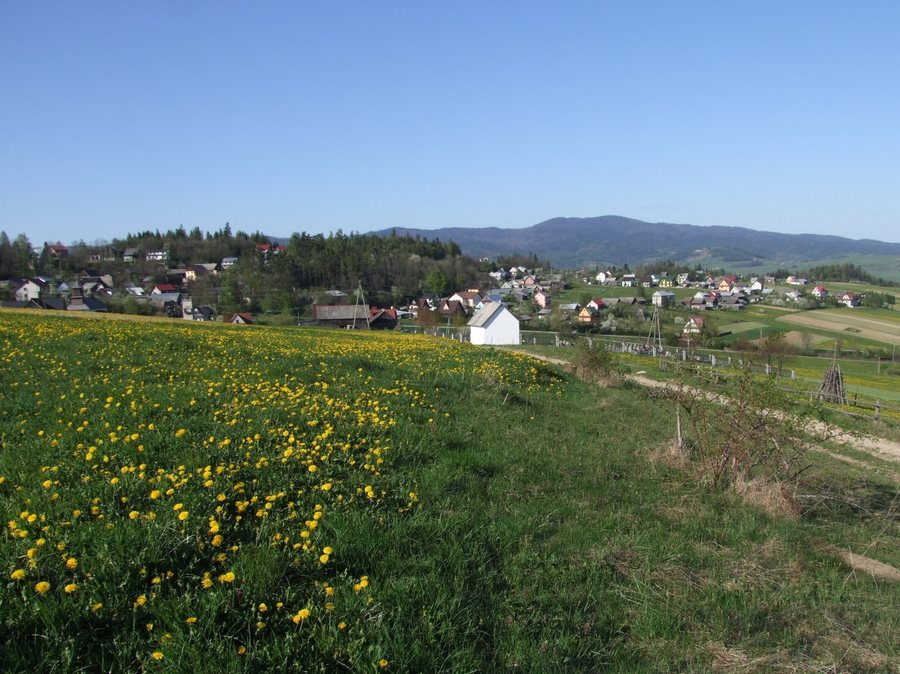
Falsztyn combines preserved Spisz architecture with a cycling route through the village and a location above the man-made Jezioro Czorsztyńskie. From Falsztyn, there are views of the Tatra, Pieniny and Gorce Mountains. When planning your stay, you can choose from a range of interests: explore cycling routes, learn about local architectural history and take in the landscape around the village.
Cycling Route and Route Choices
A cycling route runs through Falsztyn, from where you can ride towards Frydman and on through Dębno to Nowy Targ. In the other direction, the route leads to Niedzica Castle. You can choose your direction based on your planned destination. Near Falsztyn, the Velo Dunajec route also includes a short but steep climb. When planning your ride, allow for this section as a climb in its own right.
The southern section of the Route Around Czorsztyn Lake follows the Velo Dunajec route from Niedzica through Falsztyn, over the side embankment in Frydman and on to the bridge in Dębno. This section is about 15 kilometres long. This distance applies specifically to this section of the route. You can use it as a guide when including this route in your day’s plans, without applying the distance to a different section.
Landscape Above the Lake
Falsztyn lies above the man-made Jezioro Czorsztyńskie. Nearby, Zielone Skałki is located between Falsztyn and Niedzica, on a promontory that juts into the lake. The limestone cliffs of Zielone Skałki drop steeply 80 to 100 metres down to the lake. This striking formation is a distinctive feature of the landscape; however, the area is not open to tourist visits.
An unpaved road and a cycling route run along the southern boundary of the protected area. This is important when planning your visit: the cycling route follows the boundary, while Zielone Skałki itself is not accessible to tourists. Plan to use the cycling route as a boundary route, not as access to Zielone Skałki.
The meadows and pastures are also part of Falsztyn’s landscape. More than thirty plant species grow across these extensive areas. With a little luck, you may also spot a falcon, eagle, buzzard or hawk in the village. The chance to see these birds of prey is an added attraction for anyone who wants to focus not only on the cycling route but also on nature.
Spisz Architecture and Local History
Old Spisz architecture has been preserved in Falsztyn. It is located at a bend in the road on a side ridge of the Spisz Mountains. The village also has several old wooden farmsteads and the remains of a small Spisz market settlement. These three features offer different ways to explore the village’s history: through the preserved architecture, the farmsteads and the traces of the former settlement. The manor house of the Jugenfeld and Salamon families can be visited in Falsztyn.
According to local tradition, the wooded outcrop of Sokola Skała is associated with a small medieval castle or monastery. This is a local tradition, not a definitive identification of either possibility. Anyone interested in local history can view it as such while also exploring the other surviving traces of buildings and settlement.
Chapel and Visitor Information
The Chapel of Our Lady Queen of Poland was converted from a former farm building by local residents in 1982. The building had previously housed a granary. Masses at the chapel are listed for Sundays and public holidays at 9:00 a.m. If you plan to visit the chapel, you can take this time into account.
Falsztyn offers several distinct themes for a stay: the Velo Dunajec route with its short, steep section, traces of Spisz architectural and settlement history, and the landscape above the lake. If you are looking for accommodation in Falsztyn, you can prioritise these features according to what matters to you when planning your trip.
If you would like to compare other places, also take a look at Szczawnica, Czorsztyn, Łapsze Niżne, Tylka, Ratułów, Kacwin, Zaskale and Kluszkowce.
For the broader travel overview: Nowotarski.

