
Vaduz: Castle History and Historic Buildings
Accommodation in Vaduz
Vaduz can be understood through its castle history, distinctive architectural forms and a city tour with a set duration. Different questions are relevant when planning your visit: What history lies behind the buildings, how can they be distinguished architecturally, and does the city tour fit your schedule? The topics range from medieval building history to the 35-minute city tour.
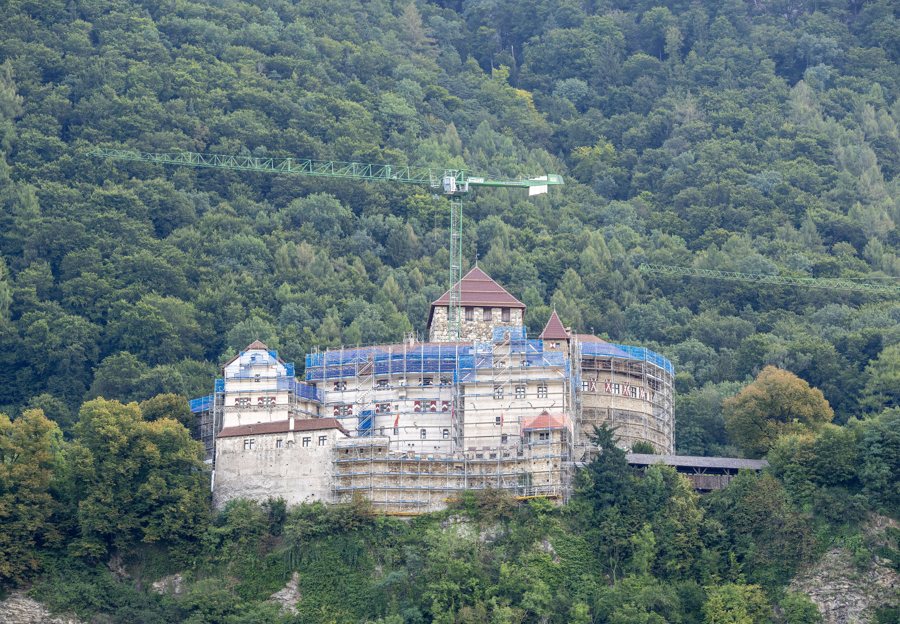
Vaduz Castle and the Schalun Castle Ruins
Vaduz Castle has been the permanent residence of the Princely Family since 1938. It is not possible to visit the castle in person; it can be explored in 3D and augmented reality. If you would like to include castle history in your itinerary, consider these digital formats and check the latest visitor information again before your trip.
The Schalun Castle Ruins, also known as Wildschloss, are located northeast of Vaduz, at an elevation of 862 m above sea level. Based on an analysis of the archaeological evidence, it is assumed that they were built no later than the end of the 12th century and extended with additional walls in the 13th century. At Schalun, the focus is therefore on a building history inferred from the analysis of the evidence, while Vaduz Castle is defined by its role as a residence since 1938. The dates describe different aspects: an assumed medieval building history and a status with a specified date.
Buildings and Their Features
St. Florin’s Parish Church was built in the Neo-Gothic style based on plans by Friedrich von Schmidt, the Viennese master cathedral builder; its foundation stone was laid on August 17, 1869. The architect, style and date each provide different clues for understanding the building. The Red House presents a different architectural accent: it is a four-storey residential tower with stepped gables to the north and south, as well as an attached single-storey wine-press building. The number of storeys, gable ends and extension describe its form more precisely than the name alone.
The Vaduz–Sevelen Rhine Bridge can also be understood through its construction. The present bridge was built in 1900/01 as a Howe truss bridge with a plank parapet and roof. The dates for the church and bridge refer to different things: 1869 is the year the parish church’s foundation stone was laid, while 1900/01 dates the construction of the present bridge. Together with their respective architectural forms, these details provide a concrete comparison without equating the dates.
Citytrain: Duration and Timetable
The Citytrain city tour lasts 35 minutes. For individual visitors, the 2026 timetable lists daily departures from April 1 to October 31 at 1:00 pm and 4:30 pm. The duration and departure times help with different planning questions: the first indicates how long the ride takes, while the second shows the seasonal time window for individual visitors. If you plan to take the tour, check the timetable again before your trip.
During the ride, the Citytrain system uses integrated GPS tracking to automatically identify locations and provide commentary in 41 languages. This makes its approach different from the digital formats for Vaduz Castle: the Citytrain focuses on location detection during the ride and multilingual commentary, while the castle can be explored in 3D and augmented reality. The two offerings have different focuses in terms of both timing and content.
Winegrowing in Herawingert
The wine trail in Herawingert, Vaduz, offers insight into various vineyard activities—from the vine to winemaking. The range of topics thus extends from working with the vine to a later stage of processing. If you are interested in winegrowing, this insight complements the history and architecture of the buildings with a different perspective on vineyard work.
For the broader travel overview: Municipality of Vaduz.

