
San Lorenzo: Cultural Trails and History
Accommodation in San Lorenzo
Archaeology and Church Art
The Mansio Sebatum Archaeological Museum is the only museum in South Tyrol dedicated exclusively to the Iron Age and the Roman era in the region. The museum extends over three floors and tells the story of the settlement of Sebatum, the former name of San Lorenzo di Sebato. The three floors provide the museum with a clearly defined spatial framework for its regional historical focus. Those interested in culture will find tangible points of reference to the Iron Age, the Roman era and the history of Sebatum in San Lorenzo di Sebato.
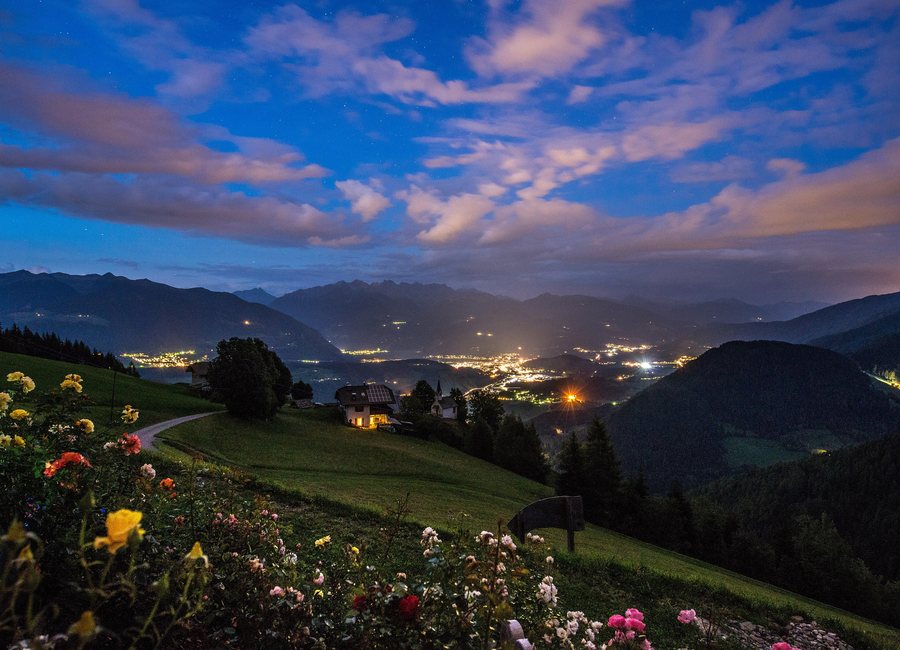 File:Sankt Lorenzen, Böhringer.JPG
Photo: Feel free to use my photos, but please mention me as the author and if you want send me a message . or ( rufre@lenz-nenning.at ) via Source, CC BY-SA 3.0 at
File:Sankt Lorenzen, Böhringer.JPG
Photo: Feel free to use my photos, but please mention me as the author and if you want send me a message . or ( rufre@lenz-nenning.at ) via Source, CC BY-SA 3.0 at
The Archaeological Panorama Trail around the hill of Castel Badia leads to prehistoric remains from the Bronze and Iron Ages, the Roman imperial period and Late Antiquity. The hill of Castel Badia remains the geographical reference point of the trail, while the archaeological sites date from the Bronze and Iron Ages through the Roman imperial period to Late Antiquity.
The parish church of San Lorenzo also features different construction phases in its architecture. The church has two different bell towers: the one on the left dates from the 13th century, while the one on the right dates from 1454. The parish church of San Lorenzo also houses a Madonna with the Christ Child and grapes. The work by Michael Pacher was created around 1465. The dates of the towers and the Madonna range from the 13th century to around 1465. The parish church complements the archaeological themes with sacred architecture and a specific work of art.
Rail Connection and Trails
For travelling by train, the Puster Valley railway line is an important point of reference. The entire Puster Valley railway line was reopened to traffic on January 27, 2026. San Lorenzo di Sebato railway station is one of the 13 renovated stations on the Puster Valley railway line. The reopening concerns the entire route, while the renovation concerns the individual station in San Lorenzo di Sebato.
From the centre of San Lorenzo, the route to Maria Saalen follows Trail No. 9 and is considered an easy hike. An archaeological educational trail leads from Santa Croce or Castelbadia to the sites of the "Sonnenburger Kopf". The Puster Valley cycle route variant towards Val Badia begins in the centre of San Lorenzo and follows a route dedicated to discovering Ladin culture and language. The route to Maria Saalen and the cycle route towards Val Badia therefore begin in the centre, while the educational trail starts at Santa Croce or Castelbadia. The cycle route has a different focus from the trails to Maria Saalen and the sites of the "Sonnenburger Kopf".
A pleasant walk along the Rienz River leads from San Lorenzo to Bruneck. The course of the river serves as the connecting landscape element between San Lorenzo and Bruneck.
Further destinations: Toblach, Olang, Pfalzen, Luttach, Sankt Martin In Thurn, Gsies, Terenten, Enneberg
To the main travel overview: Puster Valley.

