
Lesa on Lake Maggiore: Trails, Lakeshore and History
Accommodation in Lesa
Landscape and Townscape
The area around Lesa combines Lake Maggiore with the green hills of Vergante. The old village of Lesa lies on the lakeside promenade and includes palaces, arcades and alleyways. For planning your day, you can distinguish between trails, lakeshore areas and cultural and historic sites.
The deciduous forests around Lesa, mostly chestnut forests, are crossed by an easily walkable network of paths. The Varim Trail is an easy, 2.5-kilometre walking route from Lesa to Belgirate, taking around 30 minutes. The Varim Trail can be continued through fields and along stone walls to Villa Lesa.
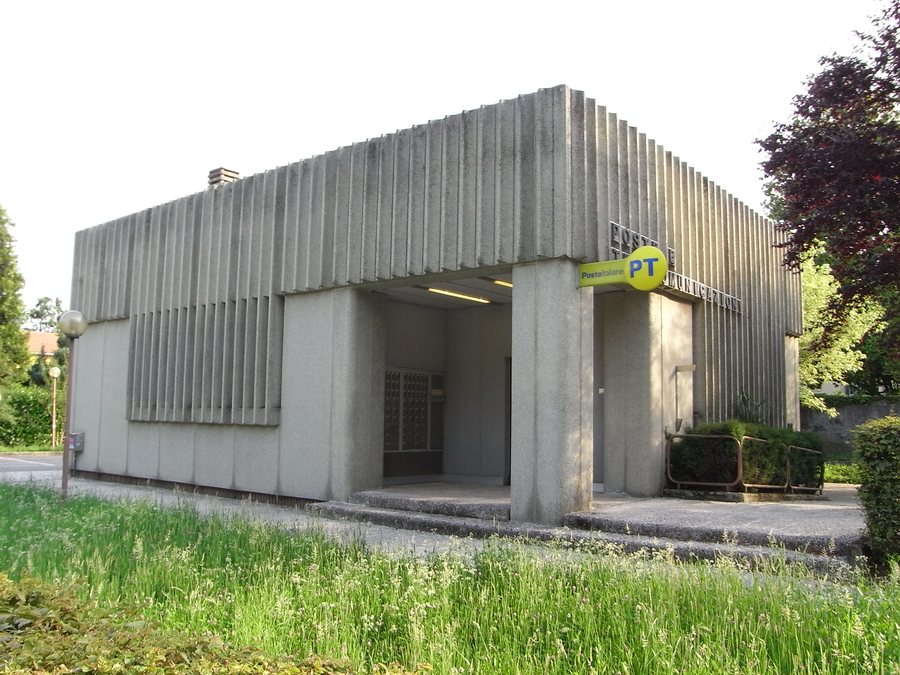 File:Ufficio Postale di Lesa 2009 NW.jpg
Photo: Hans G. Oberlack via Wikimedia Commons, CC BY-SA 4.0
File:Ufficio Postale di Lesa 2009 NW.jpg
Photo: Hans G. Oberlack via Wikimedia Commons, CC BY-SA 4.0
Walking Trails through Forests and Hills
The old municipal road from Lesa to Comnago is a broad mule track that climbs steadily through deciduous forests. The Mascarana Trail leads from Lesa through dense chestnut forests towards Comnago and offers wide-ranging views over Lake Maggiore.
The hike through the Erno Valley leads from Villa Lesa to the Erno waterfall and takes two hours. The old road to Calogna is a forest path from Lesa to Calogna, taking around one and a half hours. The Monte Croce–Motta Rossa circular route leads from Comnago to Motta Rossa in around one and a half hours and offers views of Monte Rosa and the Alps.
From Via Gibertini, a walking trail leads towards Belgirate along a section of the ancient Roman road. The route to M. Visconti is designated as a one-hour trail at elevations ranging from 206 to 430 metres. The trail themes range from forests and hilly landscapes to sections overlooking Lake Maggiore; walking trail, mule track, forest path and circular route are represented as different types of trails. The stated walking times help distinguish short walks such as the Varim Trail from longer routes through valleys and forests and plan the relevant part of the day.
Culture and History
The Castellaccio in Lesa was built to monitor trade on Lake Maggiore; around the middle of the 14th century, the Castellaccio took on the role of a customs house. The Sala Manzoniana preserves books, documents and testimonies from the period of the Italian Risorgimento. The cultural themes include buildings, trade history and preserved documents.
The Romanesque oratory dedicated to Saint Sebastian above Solcio has preserved its original structure almost completely over the centuries. The history of the Church of San Martino in Lesa dates back to the 12th century; the surviving wall remains of the old central nave illustrate its former structure and development.
At the beach by the Castellaccio, you can walk and relax by the lake; as a landing stage, Lesa is connected to shipping services on Lake Maggiore.
Further destinations for your planning: Orta San Giulio, Massino Visconti, Pella, Armeno, Miasino, Pettenasco.
For the higher-level travel overview: Novara.

