
Tolna: Thermal Baths, Culture and Nature
Accommodation in Tolna
If you are looking for accommodation in Tolna, you can plan your trip around different interests: Tamási Thermal Spa is known for its thermal waters, the Pacsmag Lakes for the habitat of the strictly protected ferruginous duck, Szekszárd for its literary history and museum, and Ozora for Pipo Castle. These places differ considerably in theme. So first consider what you want your trip to focus on: bathing, nature or culture. You can then fit the relevant activities and opening times into your plans.
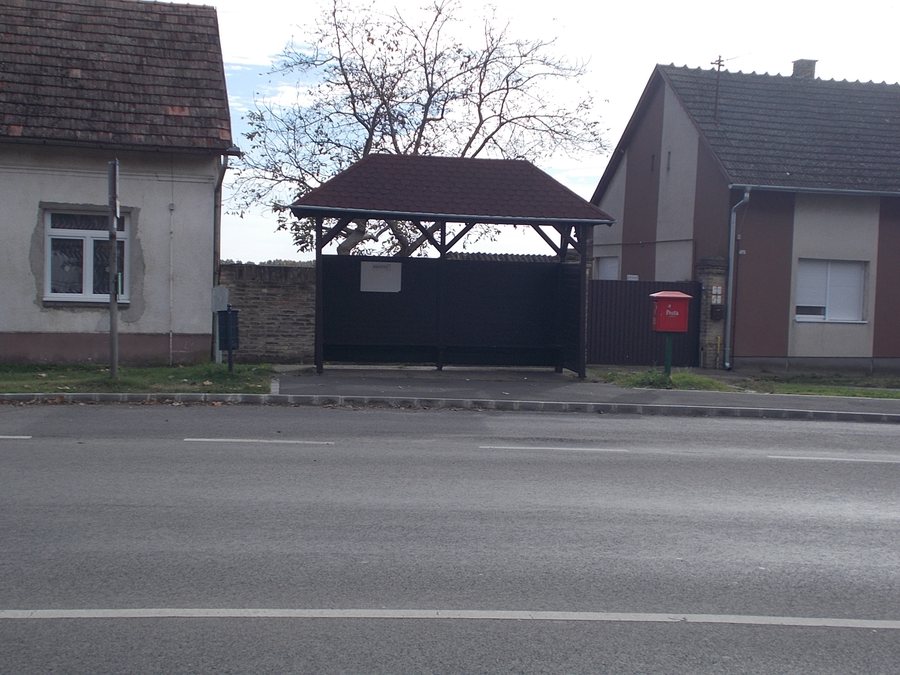 File:'Tolna, kápolna' Haltestelle, Postbriefkasten, 2023 Tolna.jpg
Photo: Globetrotter19 via Wikimedia Commons, CC BY-SA 4.0
Thermal Baths and Natural Areas
Tamási Thermal Spa offers a sauna area, leisure pools and medicinal water. This combination gives you different options to consider when planning: the sauna, swimming pools or medicinal water could each be the deciding factor if you are considering making the spa a focus of your trip. Facilities and opening arrangements may change, so check the latest information before your visit.
The Pacsmag Lakes are an important Hungarian habitat for the strictly protected ferruginous duck (cigányréce). The focus here is on the habitat and a protected species. This makes it different from the thermal baths and their specific facilities. If you choose Tolna based on your own travel interests, you can weigh up the bathing options against your interest in nature and species conservation, without presenting the two themes as a single combined offering.
Literature and a Museum in Szekszárd
The Babits Mihály Memorial House is located in the more than two-hundred-year-old Kelemen House and is a literary memorial site. The building thus connects a specific historic place with the commemoration of the writer Babits Mihály. The Wosinsky Mór Museum offers a different focus for a visit: it is open to visitors every day except Monday, from 10:00 to 17:00; opening hours may vary on public holidays. If you include the museum in your day’s plans, allow for this time window and check the holiday schedule in advance. This makes it possible to consider the literary memorial site and the museum as two distinct cultural destinations.
History at Pipo Castle
Pipo Castle in Ozora was built by Filippo Scolari, who came from Florence. Its features and visitor offerings include a courtyard with grapevines, a grand throne room, a 17th-century aristocratic kitchen and a consecrated chapel. There is also a weapons collection featuring a life-size cavalryman in Gothic armour, an exhibition on the history of the castle and a 3D film projection. The different elements offer different points of interest: rooms and furnishings sit alongside the chapel and weapons collection, while the exhibition and film present the castle’s history in two additional ways. This gives you a wide choice of historical topics for your cultural itinerary at a named castle.
Hungary in a Broader Context
The wider destination of Hungary offers additional cultural and landscape themes. Pannonhalma Archabbey was founded in 996. The Old Village of Hollókő is a deliberately preserved traditional settlement and a living example of rural life before the 20th-century agricultural revolution. Winemaking traditions in the Tokaj wine region have been documented since 1561; Tokaji Aszú is also part of this tradition. These examples represent different themes at the national level: monastic history, traditional settlement and winemaking. If you consider Hungary as a whole, they offer further themes that differ from Tolna’s profile of thermal baths, nature and culture.
Discover more destinations: Paks, Heves, Komárom-Esztergom, Fejér, Veszprém, Pest, Győr-Moson-Sopron and Budapest Region.
Go to the main travel overview: Hungary.

