
Pilismarót: Roman Traces, Monuments and Landscapes
Accommodation in Pilismarót
Pilismarót can be understood through its Roman traces, historic buildings and connections to the landscape. If you are looking for accommodation in Pilismarót, archaeological evidence, monuments and described walks offer different points of reference for planning your stay. The town’s history stretches from the remains of Roman fortifications to buildings dating from around 1800 and around 1860. Natural features include streams and springs, as well as a viewpoint 451 metres high.
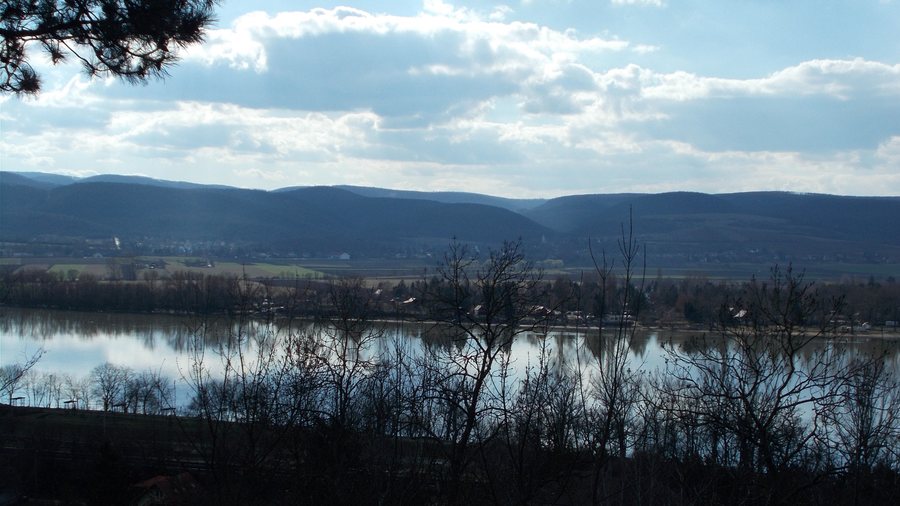 File:Pilismarót, Országzászló-emlékmű felől nézve, 2020 Zebegény.jpg
Photo: Globetrotter19 via Source, CC BY-SA 3.0
Roman Traces and Historic Buildings
Significant remains of a Roman fortification, or castrum, can be found on Kishegy in Pilismarót. The term castrum refers to a Roman military camp and places the remains in their historical context. The municipality also contains important archaeological evidence, including Roman watchtowers, a camp, a cemetery and traces of settlements. Together, these point to different aspects of the Roman presence: military installations, a burial ground and traces of settlements. The Roman name of the place was Ad Herculem.
Later architectural history can also be seen in two named monuments. Pilismarót is home to a late Baroque statue of Saint John of Nepomuk, dating from around 1800. The former Heckenast manor house was built around 1860 in the Romantic style and is a protected monument. The different dates and style descriptions help distinguish the two buildings; they represent different historical periods in the town’s history.
Waterways and Elevated Views
The stream feeding the Miklós-deák-völgyi lakes runs through the outskirts of Pilismarót, in the westernmost valley of the Visegrád Mountains. Within the town, it flows into the Malom Stream, which in turn flows into the Danube. To understand the names of the waterways, follow their sequence: the feeder stream joins the Malom Stream, which then continues to the Danube.
One of Pilismarót’s significant natural features is the Hoffmann Spring. Another connection to the landscape is Hirsch-rom: at 451 metres, it is a viewpoint in the Maróti Hills offering sweeping panoramic views. The spring and the viewpoint represent different natural features; the elevation identifies Hirsch-rom as a prominent point in the hill group.
Walks and Destinations
Several destinations are suggested for walks. From Malom-völgy, Dobogókő can be reached via Hosszú-hegy. A pleasant walk across the loess hills of Bitóc leads to the Basaharc Valley or to Vaskapu above Esztergom. The routes differ in their starting points and destinations: one goes from Malom-völgy via Hosszú-hegy to Dobogókő; the other crosses the loess hills and ends at one of two destinations. You can choose between the described routes according to the landscape and destination that interest you.
A More Recent Layer of Local History
In the 1930s, the so-called “Golden Coast” was established on the banks of the Danube in Pilismarót, with a popular beach; a holiday colony was built nearby. This historical development adds another period to the town’s history, alongside the Roman evidence and later architectural monuments. The different reference points for understanding the town therefore include archaeological traces, historic buildings and the development of the riverside at that time.
Discover more destinations: Esztergom, Kertvaros, Dömös
See the broader travel overview: Esztergomi.

