
Discover North Rhine-Westphalia
Accommodation in North Rhine-Westphalia
If you are looking for accommodation in North Rhine-Westphalia, you can plan your trip around the experiences you want: Gothic architecture and Rococo, nature observation in the Eifel, long hiking and cycling trails, or regional cuisine. The selection therefore ranges from urban impressions to extensive landscape routes.
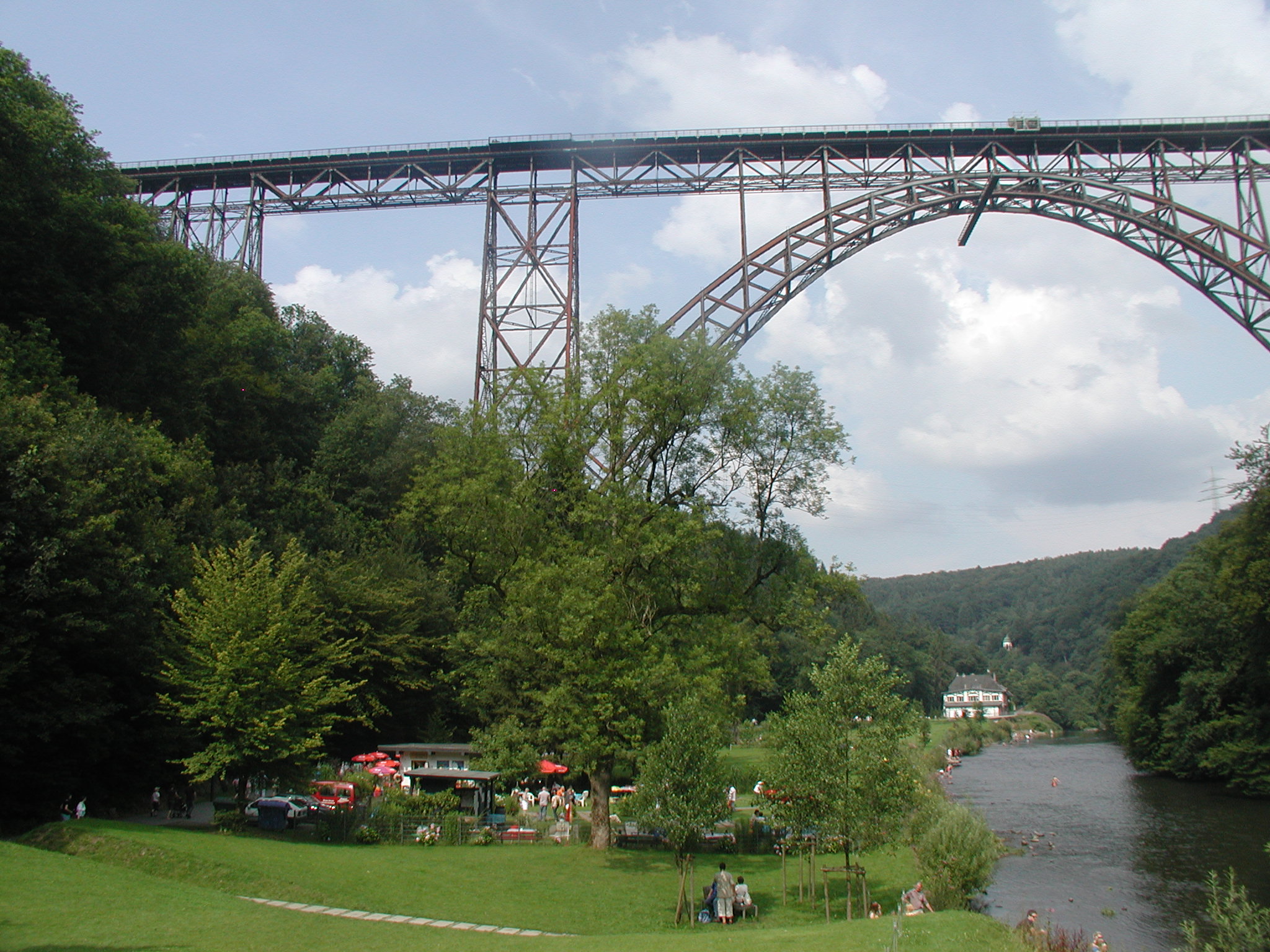 Muengsten
Photo: Hans Juergen Lenk
Culture and history as travel themes
One defining cultural destination is Cologne Cathedral. This Gothic masterpiece was begun in 1248 and completed in 1880. In Brühl, Augustusburg Palace and Falkenlust hunting lodge are among the earliest and most significant examples of 18th-century Rococo architecture in Germany. Those interested in industrial history will find a significant example of 19th- and 20th-century European primary industry at Zollverein XII in Essen.
Smaller, clearly themed experiences can also be incorporated into your travel plans. The “NRW Sculpture” project connects public sculptures in North Rhine-Westphalia via cycling routes and includes, among other things, eleven tips for cycling tours combining art and enjoyment. This allows you to experience culture not only in buildings and museums, but also along selected routes.
Nature experiences in the Eifel and Sauerland
In Eifel National Park, extensive forests and open landscapes are returning to a state of wilderness. Black storks, eagle owls and wildcats find important refuges there. The Eifel National Park Centre with its 2,000-square-metre interactive exhibition “Wildnis(t)räume” is located at Forum Vogelsang IP in the national park. The exhibition is interactive, multisensory, accessible and multilingual.
Eifel National Park and its surroundings are also recognized as an International Dark Sky Park. Guided stargazing tours for groups are offered for a maximum of 15 people; designated stargazing sites are available for individual observations. In the Sauerland, the Bruchhauser Steine provide another distinctive landscape feature. They are North Rhine-Westphalia’s first National Natural Monument. A small group of European bison lives in a fenced area of around 20 hectares at the Wisent Wilderness on the Rothaarsteig near Bad Berleburg.
Hiking trails with different profiles
For a trip with a historical connection, the Roman Canal Hiking Trail follows a Roman aqueduct. It leads from Nettersheim to Cologne in seven stages. The 16-kilometre Stolberg Copper Route combines industrial culture and nature, passing historic copper yards and Stolberg Castle. In the Bergisches Land, the approximately 30-kilometre Three Valleys Tour follows various waterways and passes remnants such as cottages and smithies from the region’s industrious past.
In the Sauerland, the Sauerland Höhenflug offers a considerably longer hiking option. The trail runs through the Sauerland Rothaar Mountains Nature Park from Altena to Korbach in Hesse and is more than 190 kilometres long. The Medebach Mountain Trail connects nine half-timbered villages in a panoramic circular route with sweeping views across the Sauerland. The Bestwig Panorama Trail runs mainly along the ridges of the Sauerland and passes North Rhine-Westphalia’s only natural waterfall. The Velmerstot Route leads to the highest elevation of the Egge Hills and then descends through the Silberbach Valley.
Cycling routes, river landscapes and cities
For multi-day or section-by-section cycling tours, the Rhine Cycle Route in North Rhine-Westphalia offers more than 226 kilometres along the Rhine. The route opens up changing panoramas and access to the scenic and cultural diversity on both sides of the river. It runs mainly along well-developed, cycle-friendly routes with consistent signage; the river can be crossed via bridges and ferries.
The 64-kilometre Sieg Cycle Route leads from Windeck-Rosbach to the Sieg estuary on the Rhine, crossing dykes, following near-natural river floodplains and passing through forests. The Ruhr Valley Cycle Route connects the Sauerland with the Ruhr area and passes industrial culture, idyllic half-timbered villages, cities and natural attractions. The Lenne Route allows you to experience the landscapes of the Sauerland while approaching the Ruhr area. The Möhne Valley Cycle Route uses former railway lines, making cycling through the Sauerland less strenuous.
Other options include the Ems Cycle Route from its source to the sea, passing cities, palaces and forests along the way, as well as the cycle route along the sculptures featured in “NRW Sculpture”. Those looking for an urban addition can include the Wuppertal suspension railway in their plans. It runs mostly above the Wupper, is 13.3 kilometres long and has 20 stations.
Regional cuisine and targeted accommodation searches
The Bergisches Land’s regional culinary identity includes the Bergische coffee table. Many hosts serve it in cosy restaurants with fresh coffee from a Dröppelminna, yeast cake, dark and rye bread, sweet spreads, savoury toppings and Bergische waffles with hot cherries or rice pudding. Depending on your travel plans, you can give different weight to culture, landscapes, cycling or hiking routes and regional food culture.
For further regional classification, you can refine your search according to your preferred starting point or area of interest: Solingen, Remscheid, Ennepe-Ruhr District, Euskirchen, Hochsauerland District, Höxter, Lippe, Märkischer District, Mettmann, Oberbergischer District, Olpe District, Rheinisch-Bergischer District, Soest, Wuppertal, Siegen-Wittgenstein or Aachen. This keeps your accommodation search aligned with the travel experience that matters most to you and your fellow travellers.
For the overarching travel overview: Germany.
