
Solingen between heathland, hiking trails and cycle paths
Accommodation in Solingen
Solingen offers a range of ways to plan your stay: a protected heathland and moorland landscape, a long-distance hiking trail, an almost level walking and cycling route, and Burg Castle. The landscapes and routes differ considerably and provide practical guidance for planning your trip.
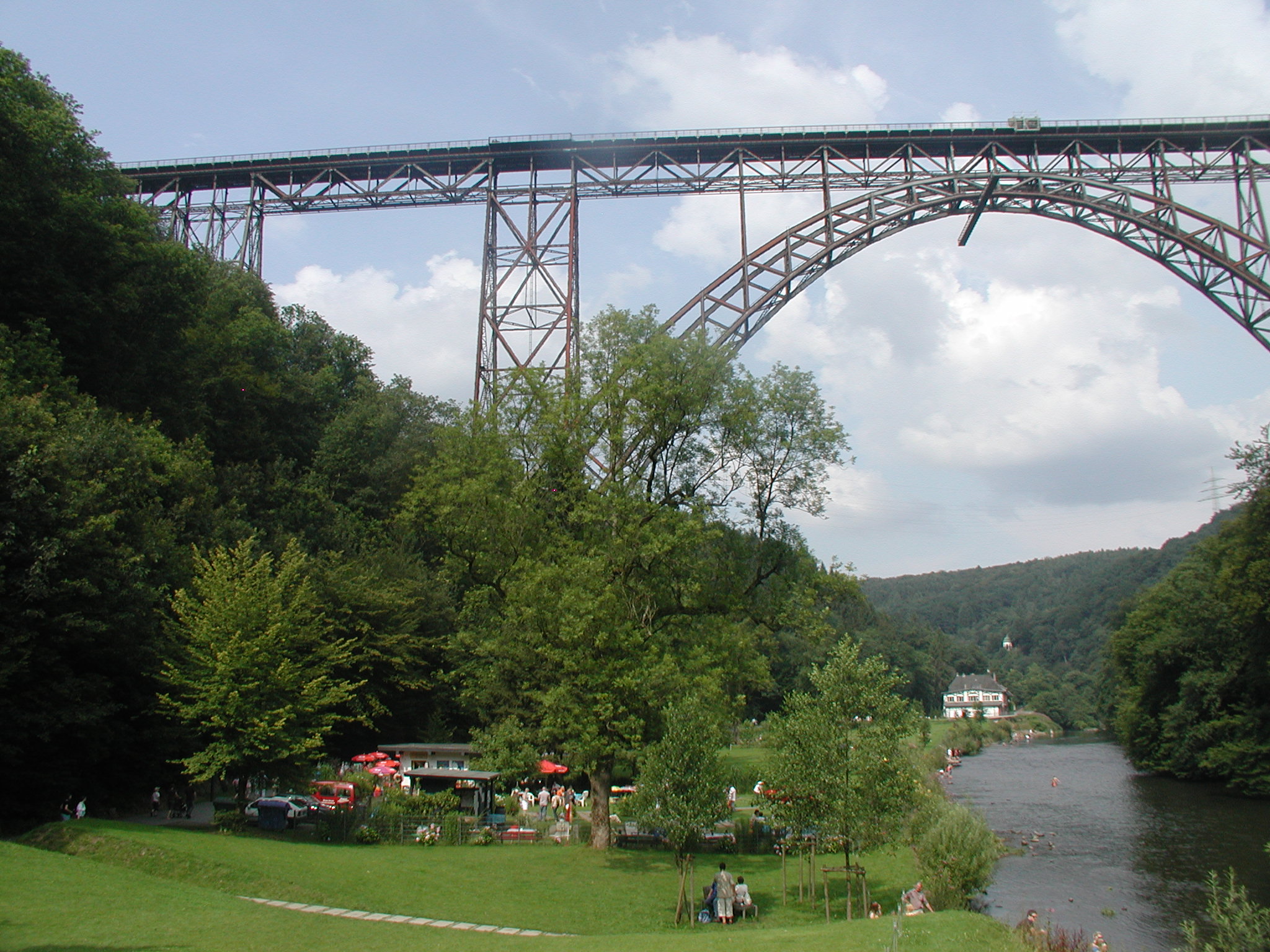 Muengsten
Photo: Hans Juergen Lenk
Ohligs Heath: open areas and moorland forests
The Ohligs Heath nature reserve is located in Solingen and covers 147.24 hectares. Its habitats include open, species-rich wet and dry heathland, as well as carr and birch moorland forests. Waterlogging shapes these forests, and in some places there are also flowing waters. The area therefore combines open heathland with wetter, wooded areas; the name “heath” does not refer to a single, uniform landscape here.
Ohligs Heath is one of the last remaining heathland moor areas on the right-bank Rhine heath terrace. Its significance also lies in the nationally endangered plant communities and species of heathland moors, carr forests and nutrient-poor waters. If you are interested in nature and landscapes when planning your trip, you can make this distinctive character a focus of your visit.
Hiking the Klingen Trail
The Klingen Trail is a 75-kilometre hiking route around the Solingen municipal area. It passes through forests and valleys, over high ground and by historically significant sites. The route thus connects a variety of landscapes with places of historical importance; it is not defined by just one viewpoint or type of landscape.
For ease of navigation, the Klingen Trail is divided into nine sections, each signposted in both directions. This makes the structure of the long trail easier to understand: you can treat the sections as individual planning units rather than viewing the entire route as a single day’s hike. No walking times are provided for the individual sections, so plan your day around the sections you are actually considering.
The Corkscrew Trail on foot or by bike
The Corkscrew Trail is an eleven-kilometre walking and cycling route. It runs from the Haan city boundary through Gräfrath, Wald and Mitte to Südpark. Unlike the Klingen Trail, which crosses valleys and high ground, the route is car-free and almost level. Its length, course and character give you a practical comparison when choosing between a hiking route and a relatively flat route for walking or cycling.
The Corkscrew Trail and the Bergbahntrasse branch connect Solingen to the Bergisches Panorama Cycle Route. This offers a different kind of orientation from the Klingen Trail’s division into sections: here, the focus is on the connection to a regional cycling route, while the Klingen Trail runs around the municipal area. These two routes should therefore not be considered interchangeable options.
Burg Castle and choosing where to stay
Burg Castle adds a cultural visit to the nature and trail destinations. According to visitor information, almost all rooms at Burg Castle can be visited. Check the latest access information before your visit if this attraction is part of your plans.
The trails differ in length and character, while the heathland is defined by its habitats and conservation significance. When choosing a specific place to stay, it is worth comparing its location with the destinations you plan to visit. This keeps your decision aligned with your planned stay, rather than grouping different routes and landscapes together as a single leisure offering.
Discover more destinations: Remscheid, Wuppertal.
For the overview of the wider region: North Rhine-Westphalia.
