
Arzberg: Mining History, Churches and G’steinigt
Accommodation in Arzberg
Arzberg brings together mining history, church architecture and the G’steinigt natural monument. These themes can be considered separately when planning your stay: the mine and educational trail reveal traces of historical mining, the churches offer specific stories about their construction and furnishings, and G’steinigt is known for its valley landscape, rock formations, and animal and plant life. Recurring festivals add their own dates to these local points of interest. If you are looking for a place to stay in Arzberg, you can weigh up which of these interests matter most to your plans.
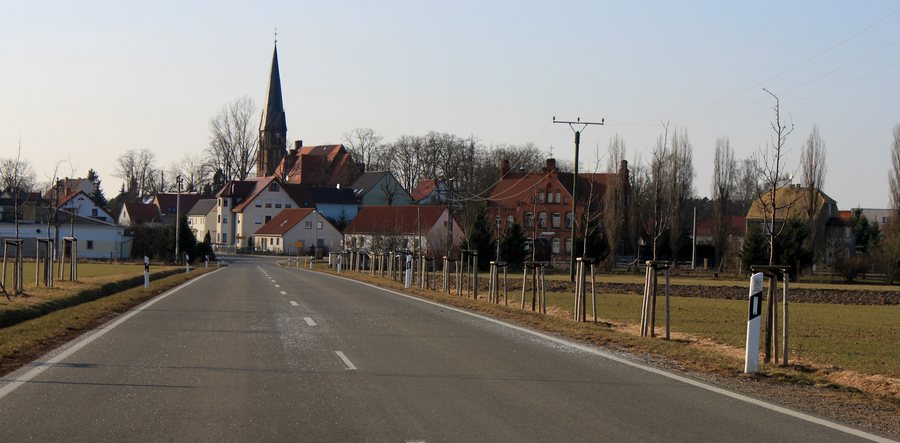
Historical Mining Traces in Arzberg
Together, the “Kleiner Johannes” mine and the “Alexander-von-Humboldt-Rundweg” educational trail make traces of the mining that once gave Arzberg its name accessible. The circular trail also leads to traces of historical mining. This provides two named points of interest on the same subject: a mine and an educational trail. In the wider destination of Wunsiedel Im Fichtelgebirge, the Old “Kleiner Johannes” Mine also focuses on mining and geology. Its seasonal opening dates may change; check the latest dates before making plans.
Fortified Church Complex and St. Mary Magdalene Church
The fortified church complex in Arzberg dates from the 14th or 15th century. It includes a defensive wall and a powder tower. The complex thus combines a religious connection with specific architectural features that illustrate its defensive character. The dating is a range spanning two centuries and should not be taken to mean a single year of construction.
The St. Mary Magdalene Church is dedicated to Mary Magdalene; it was first mentioned in 1268. This date should be understood as the year of its first recorded mention. Another historical date relates to the church’s furnishings: Johannes Nikoll of Hof created the structure in 1695, and the pulpit was incorporated into it in 1792. The two dates show the sequence between the creation of the structure and the later addition of the pulpit. Together, Arzberg’s churches offer both the history of a complex and a specific detail about its furnishings.
G’steinigt: Valley, Rock and Nature
G’steinigt is a protected landscape feature. Here, the Röslau cuts through a narrow valley with gneiss and phyllite formations. The area has been a natural monument since 1938 because of its distinctive animal and plant life. Its geology and protected status give this landscape a different focus from the mining and church-related attractions. If you want to explore Arzberg through its landscape, the valley, distinctive rock formations, and animal and plant life are all central here.
Recurring Festivals and Their Dates
Recurring festivals in Arzberg include the Zuckerhutfest on Whit Monday and the Bergfest on the first Saturday in July. The dates provide different time markers for planning. If one of the festivals matters to your travel plans, confirm the exact date with the local organizers beforehand.
Wunsiedel Im Fichtelgebirge: Regional Context
In the wider destination of Wunsiedel Im Fichtelgebirge, the Bavarian section of the Eger Cycle Route runs for around 55 kilometers along the Eger. The route passes through Bad Weißenstadt, Röslau, Marktleuthen, Thierstein, Selb, Hohenberg a.d.E. and Schirnding. On the Czech side, it continues through Pomezí nad Ohří and Cheb, where it connects to Czech long-distance cycling route No. 6 / Cyklostezka Ohře. If this cycle route is part of your regional plans, check local route information for temporary closures or detours.
Also in the wider destination of Wunsiedel Im Fichtelgebirge is the Häuselloh demonstration quarry in Selb. It focuses on the extraction and processing of granite; guided tours are available on request. Seasonal schedules and tour arrangements may change, so confirm them with the provider in advance. This helps distinguish the regional themes: in Arzberg, the focus is on traces of historical mining, churches, and G’steinigt, while Häuselloh in Selb covers granite extraction and processing.
Discover more destinations: Selb, Marktredwitz, Schirnding, Thiersheim, Weißenstadt, Wunsiedel, Thierstein, Tröstau
Back to the regional travel overview: Wunsiedel Im Fichtelgebirge.

